
- why-some-moisturizers-may-slow-scar-healing
- understanding-scar-tissue-and-skin-repair
- when-to-avoid-moisturizers-in-scar-treatment
- real-case-a-breakout-scar-made-worse-by-overhydration
- alternatives-to-moisturizers-for-scar-care
- how-skincare-experts-guides-you-to-effective-solutions
1. Why Some Moisturizers May Slow Scar Healing
At first glance, using a moisturizer to help scars heal might seem like a no-brainer. After all, hydration supports skin health—right? While that’s generally true, there’s nuance when it comes to scar treatment. In fact, for certain scar types and stages, applying moisturizer too frequently or using the wrong formulation may actually hinder progress.
The phrase “how to avoid moisturizer to improve scars” might sound counterintuitive, but understanding when to pull back on hydration is crucial. Excessive moisturization can keep the skin overly soft, which may delay the hardening and restructuring phases essential for proper scar remodeling. This is especially important for acne scars, surgical scars, or wounds healing under occlusion.
2. Understanding Scar Tissue and Skin Repair
Scar formation is the body's natural response to injury. After an injury, the body undergoes three primary healing stages: inflammation, proliferation, and remodeling. Moisturizers can support the first two phases by keeping the skin hydrated and reducing flaking or cracking—but during the remodeling stage, the rules change.
2.1 The Importance of Controlled Tension
Scar tissue needs some level of structural resistance to form correctly. Overhydration, especially from emollient-heavy products, can interrupt the way collagen fibers knit together, leading to wider, more pigmented, or raised scars.
2.2 Barrier Recovery vs. Over-repair
Moisturizers aid in barrier recovery. But not all scars need the same level of support. Healing skin that is overprotected might fail to develop resilience, leaving scars more vulnerable to environmental damage or pigmentation changes.
3. When to Avoid Moisturizers in Scar Treatment
Timing is key. There are specific scenarios where it's best to limit or avoid moisturizers to promote better scar results.
3.1 Immediately Post-Injury (If Wounds Are Open)
Open wounds should be left alone or treated with sterile healing ointments—not standard moisturizers. Applying products too early can introduce bacteria or interfere with clot formation.
3.2 During Scar Remodeling Phase
Once the skin has re-epithelialized, many dermatologists suggest reducing daily moisturizer application—especially if the scar is becoming overly soft or developing milia (tiny white cysts under the skin). Letting the skin “breathe” can help improve texture and firmness.
3.3 For People with Oily or Acne-Prone Skin
In cases of acne scars, using heavy moisturizers may clog pores and prolong inflammation. This is where minimalist, non-comedogenic routines matter more than slathering on thick creams.
4. Real Case: A Breakout Scar Made Worse by Overhydration
Nina, a 26-year-old graphic designer from Portland, experienced an intense breakout after trying a trendy snail-based moisturizer on her healing acne marks. At first, her skin felt soothed—but after a few weeks, she noticed increased redness and textural scarring on her cheeks.
After consulting a dermatologist, she was told the product’s occlusive properties likely kept her skin too moist, disrupting natural regeneration. By switching to a lightweight serum and limiting her routine to once-daily hydration, her scars visibly improved over the next two months.
5. Alternatives to Moisturizers for Scar Care
Moisturizers aren't the only tools in your scar-healing toolkit. In fact, targeted treatments are often more effective when used sparingly and strategically.
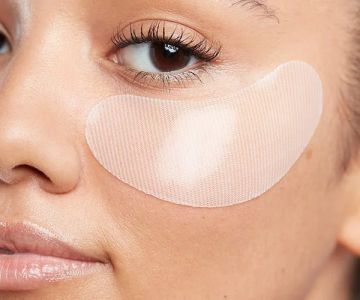
5.1 Silicone Gel Sheets
These work by providing balanced hydration while creating a protective barrier that doesn't overly soften the scar. They’re especially effective for surgical or raised scars.
5.2 Lightweight Serums
Ingredients like niacinamide, centella asiatica, and panthenol promote healing without adding heaviness. These are ideal for acne-prone or sensitive skin types.
5.3 LED and Micro-Needling Therapies
Non-topical treatments such as red light therapy or professional micro-needling stimulate collagen production without disrupting the skin’s moisture balance.
6. How SkinCare Experts Guides You to Effective Solutions
At SkinCare Experts, we believe scar care should be science-driven, not trend-based. We curate products and routines designed to enhance your skin’s own healing process—not overwhelm it. Whether you're dealing with post-surgical scars, acne marks, or minor injuries, we offer tailored solutions and dermatologist-backed advice.
Rather than relying solely on moisturizers, we encourage a more intelligent approach—one that recognises when to hydrate, when to rest, and when to treat. With expert support and personalised recommendations, SkinCare Experts helps you achieve visibly smoother, healthier-looking skin without the guesswork.
In the end, the secret to scar recovery isn't just what you use—but what you avoid. Knowing when to step back can make all the difference in your skin’s journey toward renewal.

 ProSkin5.0 (20 reviews)
 Especially Aesthetic0.0 (0 reviews)
 Cameron Dermatology4.0 (572 reviews)
 LillyFace Premium Skin Care5.0 (1 reviews)
 Wake Up & Make Up By Ann Located in own building4.0 (13 reviews)
 Tampa Bay Laser Lipo4.0 (55 reviews)
 Daily Skin Care Routine for Dark Circles in People Living in Dry Climates
 How to Avoid Oily Skin in People with Sensitive Skin – Dermatologist Tips & Daily Skincare Guide
 How To Soothe Cleansers to Improve Inflamed Skin Naturally and Effectively
 How to Deal with Uneven Skin Tone Using Natural Remedies
 Daily Skin Care Routine For Dull Skin In People With Sensitive Skin
 How To Soothe Redness Using Natural Remedies