
- 1 - Understanding Large Pores
- 2 - What Causes Large Pores?
- 3 - Skincare Tips to Reduce Large Pores
- 4 - Recommended Products for Skin Texture and Pore Control
- 5 - Success Stories and Real-Life Experiences
1 - Understanding Large Pores
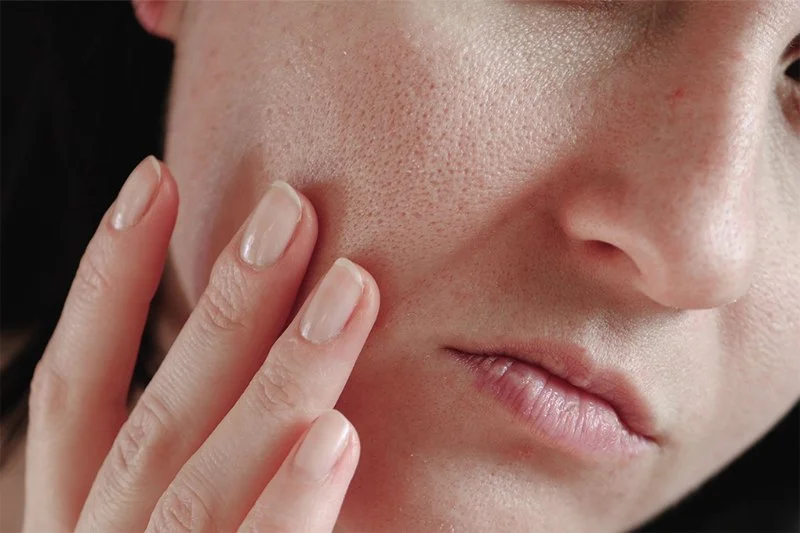
Large pores are a common skin concern that many people deal with, especially those with oily skin. Pores are small openings in the skin that allow sweat and oil to escape, but when they become enlarged, they can make your complexion look uneven or rough. While pores themselves are a natural part of the skin, their size and appearance can be influenced by various factors.
The good news is that with the right skincare routine and habits, it’s possible to reduce the appearance of large pores and improve your skin’s overall texture. Understanding why pores become enlarged and how to care for them is the first step to clearer, smoother skin.
2 - What Causes Large Pores?
There are several factors that can contribute to the enlargement of pores. Some of the most common causes include:
- Excess Oil Production: People with oily skin tend to have larger pores as the excess oil can stretch the pore walls, making them more noticeable.
- Genetics: Your genetics play a significant role in the size and appearance of your pores. If your parents had large pores, it's more likely you'll have them as well.
- Clogged Pores: Dead skin cells, dirt, and makeup can accumulate inside pores, causing them to appear larger. Regular exfoliation is essential to prevent clogged pores.
- Sun Damage: Prolonged sun exposure can damage the skin’s elasticity, causing pores to sag and appear larger.
- Aging: As we age, the skin loses collagen and elasticity, which can lead to the stretching of pores and their increased visibility.
By addressing these factors with the right skincare approach, you can manage and reduce the appearance of your pores over time.
3 - Skincare Tips to Reduce Large Pores
If you’re looking to reduce the size of your pores, there are several skincare tips and techniques that can help you achieve smoother, more even skin. Incorporating these practices into your daily routine can gradually make a noticeable difference:
- Cleanse Regularly: Use a gentle cleanser that removes excess oil and dirt without stripping your skin of its natural moisture. Cleanse twice daily to prevent buildup in your pores.
- Exfoliate Weekly: Regular exfoliation helps remove dead skin cells and prevents clogged pores. Look for products with salicylic acid, which is known for its ability to penetrate the pores and break down oil and debris.
- Use a Toner: A toner with ingredients like witch hazel or niacinamide can help tighten the skin and minimize the appearance of pores. It also helps balance oil production, keeping your skin clear.
- Apply Sunscreen Daily: Protect your skin from sun damage by applying sunscreen every morning. Sunscreen helps prevent premature aging and preserves your skin’s elasticity, preventing pores from becoming more stretched out.
- Moisturize: Don’t skip moisturizer, even if you have oily skin. A lightweight, oil-free moisturizer can help hydrate your skin and prevent it from overproducing oil, which can contribute to enlarged pores.
These simple steps can make a significant difference in the appearance of your pores. Be consistent, and over time, you’ll notice smoother, healthier-looking skin.
4 - Recommended Products for Skin Texture and Pore Control
When selecting products to improve skin texture and reduce the appearance of large pores, it’s important to choose those that specifically target pore size and oil control. Here are some types of products that can help:
- Salicylic Acid-Based Exfoliants: This BHA exfoliant is great for breaking down oil and debris in the pores, which helps to keep them clear and reduces their appearance.
- Niacinamide Serums: Niacinamide is a powerful ingredient that not only reduces pore size but also strengthens the skin’s barrier, balances oil production, and evens out skin tone.
- Clay Masks: Clay masks, particularly those with bentonite or kaolin clay, help absorb excess oil and deep-clean pores, making them look smaller and smoother.
- Retinoids: Retinoids promote collagen production and increase cell turnover, which can improve skin texture, tighten pores, and reduce the appearance of fine lines.
When choosing skincare products, be sure to pick those that are suited to your skin type and concerns. You can find these products and more at 【SkinCare Experts】, where we offer a wide selection of treatments designed to improve your skin’s texture and minimize large pores.
5 - Success Stories and Real-Life Experiences
Many individuals have shared their success stories of reducing large pores through consistent skincare routines. One user, Sarah, struggled with visible pores for years due to oily skin and sun damage. By incorporating a salicylic acid cleanser, niacinamide serum, and daily sunscreen, she saw her pores shrink in just a few weeks. Sarah felt more confident, with smoother, clearer skin and a noticeable improvement in her skin texture.
Another story comes from Jason, who had enlarged pores on his T-zone. After using a clay mask once a week and moisturizing with an oil-free gel, he found that his skin looked less oily, and his pores appeared tighter. The changes were subtle but noticeable, and Jason felt his skin was more balanced and healthier overall.
These examples highlight the power of consistent skincare in improving the appearance of large pores. With the right approach, anyone can achieve clearer, more even skin.


 GLO30 National Landing4.0 (218 reviews)
 Linda Lee Skin Care & Natural Nails5.0 (2 reviews)
 Carson Skin Rejuvenation5.0 (13 reviews)
 Charm's Aesthetics, LLC5.0 (5 reviews)
 Skin By Candace4.0 (13 reviews)
 Epiphany Dermatology4.0 (1746 reviews)
 How To Boost Your Skin's Sensitive Skin In People Living In Humid Climates
 How To Repair Scars In People Over 40
 How To Brighten Sun Damage Effectively
 Top Tips for Fine Lines in Women: How to Manage and Reduce Them
 How To Reduce Dull Skin With A Simple Routine | Skincare Tips for Radiance
 How To Use Inflamed Skin Treatments for People with Combination Skin