
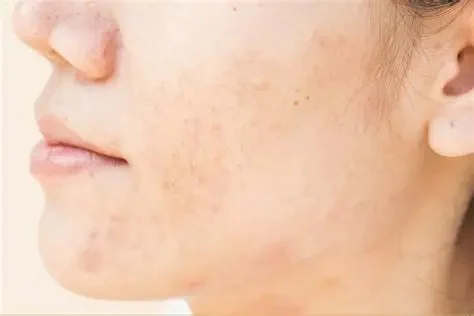
Everything You Need To Know About Dark Spots And How To Manage It
- 1- Understanding Dark Spots: What They Are and Why They Happen
- 2- Common Causes of Dark Spots
- 3- How to Manage and Treat Dark Spots Effectively
- 4- Tips for Preventing Dark Spots from Reappearing
1- Understanding Dark Spots: What They Are and Why They Happen
Dark spots, also known as hyperpigmentation, are areas on the skin that become darker than the surrounding skin. These spots can appear on the face, hands, or other areas of the body. Dark spots can be caused by various factors, including sun exposure, acne scars, hormonal changes, and aging. They occur when excess melanin, the pigment responsible for skin color, is produced and deposits in certain areas of the skin.
2- Common Causes of Dark Spots
There are several causes of dark spots, and understanding the root of the problem can help you treat and prevent them. Here are some common causes:
- Sun Exposure: Prolonged exposure to the sun’s ultraviolet (UV) rays is one of the most common causes of dark spots, especially on the face and hands. UV radiation triggers the production of melanin as a protective mechanism, leading to the formation of sunspots.
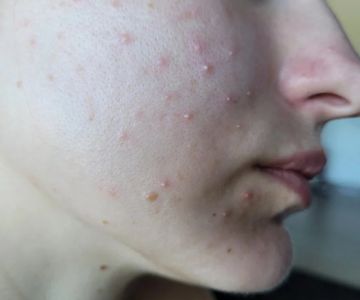
- Acne Scars: After a pimple heals, the skin may darken in the form of a post-inflammatory hyperpigmentation (PIH) mark. These marks are common in individuals with darker skin tones and may take time to fade.
- Hormonal Changes: Hormonal fluctuations, particularly during pregnancy or menopause, can lead to the appearance of dark spots, such as melasma. This condition is characterized by dark patches on the face, often around the cheeks, forehead, and upper lip.
- Aging: As we age, the skin’s ability to regenerate slows down, and dark spots may form as a result of years of sun exposure or skin injuries. These age spots, also known as liver spots or solar lentigines, typically appear on sun-exposed areas.
3- How to Manage and Treat Dark Spots Effectively
There are various ways to manage and treat dark spots. Some treatments can be done at home, while others may require professional care. Below are some effective ways to manage dark spots:
- Topical Treatments: Over-the-counter products containing ingredients like hydroquinone, retinoids, vitamin C, and niacinamide can help lighten dark spots. These ingredients work by inhibiting melanin production or speeding up skin cell turnover, which helps fade existing spots.
- Chemical Peels: A chemical peel uses a solution to exfoliate the skin’s surface, removing layers of dead skin and helping to reduce the appearance of dark spots. This treatment is typically performed by a dermatologist.
- Laser Treatments: Laser therapy is another option for treating stubborn dark spots. It targets melanin in the skin and breaks it down, leading to a more even skin tone. Consult with a dermatologist to determine if this treatment is suitable for your skin type.
- Natural Remedies: Some natural ingredients, such as aloe vera, lemon juice, and turmeric, are known for their skin-lightening properties. While they may not be as fast-acting as other treatments, they can be a gentle and natural way to manage dark spots.
4- Tips for Preventing Dark Spots from Reappearing
Preventing dark spots from reappearing is essential for maintaining clear, even skin. Here are some tips to keep your skin free from new dark spots:
- Wear Sunscreen: One of the best ways to prevent dark spots is by applying sunscreen daily. Choose a broad-spectrum sunscreen with SPF 30 or higher, and reapply every two hours when outdoors. This helps prevent further sun damage and protects the skin from harmful UV rays.
- Avoid Picking at Pimples: Picking at acne or other skin imperfections can worsen hyperpigmentation. Always resist the urge to touch or pop blemishes, as this can lead to more scarring and dark spots.
- Be Consistent with Skincare: Regularly using gentle skincare products that promote cell turnover and skin renewal can help keep your skin smooth and even-toned. Use a gentle exfoliator and a moisturizer to maintain healthy skin.
- Seek Professional Advice: If you’re concerned about dark spots or have persistent skin issues, consider consulting a dermatologist for personalized advice and treatment options.
Managing and preventing dark spots requires consistent care and attention, but with the right treatment and protection, you can achieve clearer, brighter skin. For more information on skin care products and treatments, visit SkinCare Experts for expert advice and the best solutions to manage your skin's health.




 GLO30 National Landing4.0 (218 reviews)
 Linda Lee Skin Care & Natural Nails5.0 (2 reviews)
 Carson Skin Rejuvenation5.0 (13 reviews)
 Charm's Aesthetics, LLC5.0 (5 reviews)
 Skin By Candace4.0 (13 reviews)
 Epiphany Dermatology4.0 (1746 reviews)
 How To Boost Your Skin's Sensitive Skin In People Living In Humid Climates
 How To Repair Scars In People Over 40
 How To Brighten Sun Damage Effectively
 Top Tips for Fine Lines in Women: How to Manage and Reduce Them
 How To Reduce Dull Skin With A Simple Routine | Skincare Tips for Radiance
 How To Use Inflamed Skin Treatments for People with Combination Skin