
- 1. Understanding Hyperpigmentation in Oily Skin
- 2. Why Oily Skin is More Prone to Pigmentation
- 3. The Science Behind Hyperpigmentation
- 4. Real-Life Cases and Common Triggers
- 5. Recommended Treatments and Prevention Strategies
1. Understanding Hyperpigmentation in Oily Skin
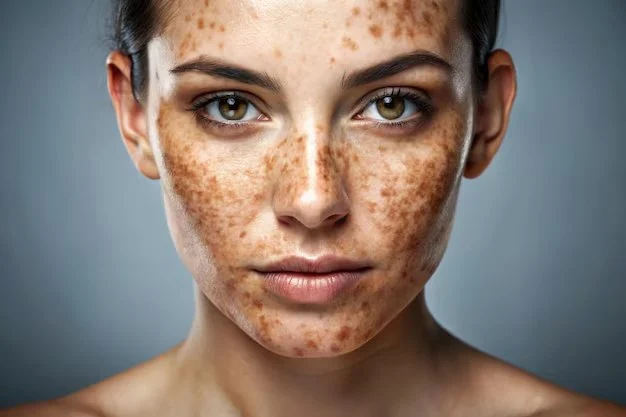
Hyperpigmentation refers to the darkening of certain areas of the skin due to the overproduction of melanin, the pigment that gives skin its color. For individuals with oily skin, this condition can be particularly frustrating. Excess oil production often leads to acne breakouts, which in turn can leave behind dark spots or scars known as post-inflammatory hyperpigmentation (PIH).
Unlike freckles or sunspots, hyperpigmentation in oily skin is often linked to breakouts, clogged pores, and inflammation. This means that even after acne heals, discoloration can linger for weeks or months, making it a recurring issue for people with oily skin types.
2. Why Oily Skin is More Prone to Pigmentation
Oily skin produces excess sebum, which clogs pores and increases the risk of acne. Every time the skin experiences inflammation—whether from acne, picking at blemishes, or even harsh skin care products—it triggers melanocytes (pigment-producing cells) to release more melanin as a defense mechanism.
Additionally, people with oily skin may be tempted to use aggressive cleansers or exfoliants to control shine, which can disrupt the skin barrier and cause further irritation. This cycle of irritation and inflammation is one of the biggest reasons oily skin types are more prone to hyperpigmentation.
3. The Science Behind Hyperpigmentation
To understand hyperpigmentation, it’s important to look at what happens at the cellular level. Melanocytes produce melanin in response to stress, inflammation, or UV exposure. This pigment is transferred to keratinocytes, the main skin cells, causing visible darkening of the skin. In oily skin, frequent breakouts and irritation keep melanocytes constantly active.
Scientific studies have shown that oily skin tends to have higher levels of inflammation markers compared to dry skin, meaning the biological triggers for hyperpigmentation are stronger. This makes treatment more challenging, as the underlying cause (inflammation and oil production) must be managed alongside the pigmentation itself.
4. Real-Life Cases and Common Triggers
Consider the case of Anna, a university student with oily skin who struggled with persistent acne. Even after her breakouts cleared, she noticed stubborn dark spots on her cheeks and forehead. Dermatologists explained that these spots were PIH, triggered by inflammation from acne and worsened by sun exposure.
Another example is Michael, a professional working outdoors, whose oily skin made him prone to clogged pores. After several summers without proper sun protection, he developed noticeable pigmentation along his temples. His dermatologist pointed out that UV radiation intensified the pigmentation, a common issue for oily skin exposed to sunlight without adequate SPF.
These stories illustrate how oily skin, inflammation, and external factors like sun exposure combine to make hyperpigmentation a persistent problem.
5. Recommended Treatments and Prevention Strategies
Challenging as it may be, oily skin hyperpigmentation can be managed effectively with the right strategies. Dermatologists and skin care experts recommend a multi-step approach:
- Consistent Sun Protection: Daily use of broad-spectrum sunscreen is non-negotiable. UV rays not only trigger melanin production but also darken existing spots.
- Gentle Exfoliation: Ingredients like salicylic acid or lactic acid help remove excess oil and prevent clogged pores without causing irritation that worsens pigmentation.
- Targeted Treatments: Products containing niacinamide, vitamin C, azelaic acid, or retinoids can help fade dark spots and regulate oil production.
- Professional Treatments: Chemical peels, microneedling, or laser therapy may be recommended for stubborn pigmentation, especially when at-home care isn’t enough.
- Healthy Habits: Avoid picking at pimples, manage stress levels, and maintain a balanced diet to support skin healing from the inside out.
For individuals seeking personalized guidance, SkinCare Experts provides access to professional recommendations and curated skin care products designed specifically for hyperpigmentation and oily skin. Investing in professional advice ensures you’re not wasting time or money on products that don’t address the root of the problem.


 GLO30 National Landing4.0 (218 reviews)
 Linda Lee Skin Care & Natural Nails5.0 (2 reviews)
 Carson Skin Rejuvenation5.0 (13 reviews)
 Charm's Aesthetics, LLC5.0 (5 reviews)
 Skin By Candace4.0 (13 reviews)
 Epiphany Dermatology4.0 (1746 reviews)
 How To Boost Your Skin's Sensitive Skin In People Living In Humid Climates
 How To Repair Scars In People Over 40
 How To Brighten Sun Damage Effectively
 Top Tips for Fine Lines in Women: How to Manage and Reduce Them
 How To Reduce Dull Skin With A Simple Routine | Skincare Tips for Radiance
 How To Use Inflamed Skin Treatments for People with Combination Skin