
- 1 - Understanding Eczema and the Role of Natural Remedies
- 2 - Overusing Natural Remedies Without Professional Guidance
- 3 - Ignoring Lifestyle Triggers While Using Natural Approaches
- 4 - Mixing Too Many Home Remedies at Once
- 5 - Real-Life Case: When Natural Care Went Wrong
- 6 - Safe Strategies and Professional Support for Eczema
1. Understanding Eczema and the Role of Natural Remedies
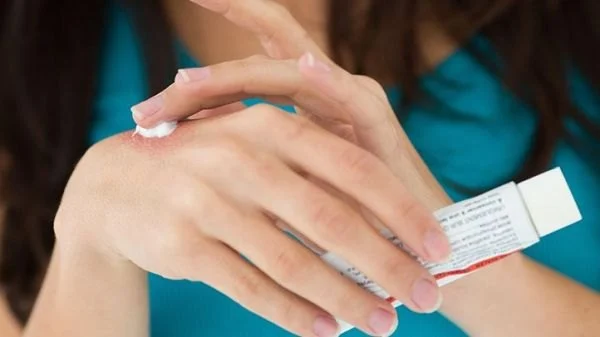
Eczema, also known as atopic dermatitis, is a chronic skin condition that often drives people to explore natural remedies for relief. While these solutions can be effective, there are common mistakes in eczema using natural remedies that can worsen the condition if not applied correctly. Many individuals assume that "natural" automatically means "safe," but this isn’t always the case. Proper education is crucial to ensure that natural care complements rather than complicates treatment.
2. Overusing Natural Remedies Without Professional Guidance
One frequent mistake is over-relying on oils, herbs, or homemade balms without consulting a healthcare professional. For example, coconut oil is often praised for its soothing qualities, yet overuse may clog pores and trigger irritation for sensitive skin types. Essential oils like tea tree or lavender, if applied undiluted, can cause allergic reactions. Without balance and expert advice, natural remedies may cause more harm than good.
3. Ignoring Lifestyle Triggers While Using Natural Approaches
Another overlooked issue is ignoring lifestyle triggers. Even when using natural products, eczema flare-ups can persist if triggers such as stress, diet, or allergens are not addressed. A person may apply aloe vera daily, but if they continue to wear irritating fabrics or use harsh detergents, results will be minimal. Natural remedies should be part of a holistic approach that combines skincare, environment management, and healthy lifestyle adjustments.
4. Mixing Too Many Home Remedies at Once
Some individuals believe that combining multiple natural remedies will lead to faster results. However, layering honey, turmeric paste, and herbal oils without understanding interactions can overwhelm the skin and complicate flare-ups. Skin needs consistency and balance, not confusion. Using one remedy at a time and monitoring the body’s response is a safer and more effective approach.
5. Real-Life Case: When Natural Care Went Wrong
Consider Emily, a young mother who tried to manage her child’s eczema with homemade herbal compresses. She believed this natural path was safer than medical creams. However, the compress contained untested plant extracts that triggered a severe rash, forcing an emergency hospital visit. Her experience highlights the risks of self-experimentation without professional advice and shows why careful, informed choices are essential when managing eczema naturally.
6. Safe Strategies and Professional Support for Eczema
The safest way to use natural remedies for eczema is under professional guidance. Simple, scientifically supported options like oatmeal baths, diluted chamomile tea compresses, or fragrance-free moisturizers are often safer starting points. Consulting with skin health specialists ensures a customized approach that addresses both the symptoms and the underlying triggers. Clinics and services such as SkinCare Experts provide professional advice and tested products that integrate natural solutions without unnecessary risks, giving patients peace of mind and effective results.


 GLO30 National Landing4.0 (218 reviews)
 Linda Lee Skin Care & Natural Nails5.0 (2 reviews)
 Carson Skin Rejuvenation5.0 (13 reviews)
 Charm's Aesthetics, LLC5.0 (5 reviews)
 Skin By Candace4.0 (13 reviews)
 Epiphany Dermatology4.0 (1746 reviews)
 How To Boost Your Skin's Sensitive Skin In People Living In Humid Climates
 How To Repair Scars In People Over 40
 How To Brighten Sun Damage Effectively
 Top Tips for Fine Lines in Women: How to Manage and Reduce Them
 How To Reduce Dull Skin With A Simple Routine | Skincare Tips for Radiance
 How To Use Inflamed Skin Treatments for People with Combination Skin