
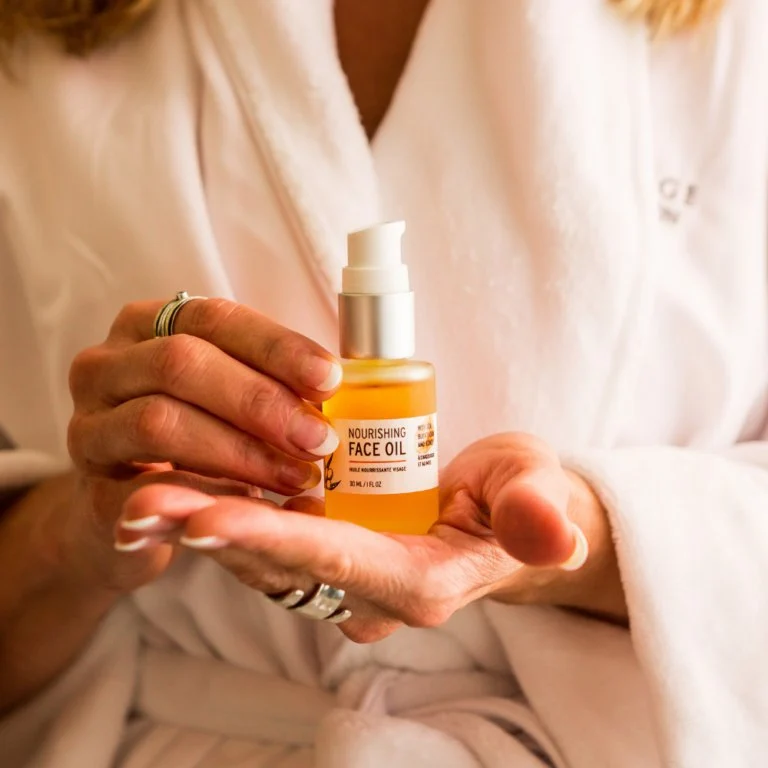
- facial-oils-for-skin-benefits-layering-routine - hydration science, skin barrier repair, oil selection tips
- how-to-use-facial-oils-correctly - application timing, dosage control, absorption techniques
- glowing-skin-routine-natural-oils - morning vs night routines, glow-enhancing steps
- best-oils-for-dry-skin-and-sensitive-skin - jojoba, rosehip, squalane comparisons
- skincare-layering-routine-order - serum, moisturizer, oil sequencing for results
The Quiet Power Behind Facial Oils in Modern Skincare
Skincare trends come and go, but facial oils have quietly stayed relevant for decades because they solve a very simple problem: the skin’s need for lasting hydration. Unlike lightweight moisturizers that sometimes evaporate too quickly, facial oils for skin help seal moisture into the skin barrier, preventing dehydration throughout the day or night.
What’s interesting is that many people still misunderstand oils. A common belief is that oils make the skin greasy or cause breakouts. In reality, the right oil—used correctly—can actually balance sebum production and improve overall skin clarity. Dermatologists often point out that the key is not avoiding oils, but learning how to use them properly.
One esthetician shared a story about a client who struggled with dry patches for years. After introducing a simple oil layering method, her skin texture changed within weeks. That transformation wasn’t magic—it was consistency and correct application.
Understanding Skin Hydration Beyond Moisturizers
Hydration is not just about applying water-based products. The skin loses moisture continuously due to environmental stress, air conditioning, and natural aging. This is where how to use facial oils becomes essential in a skincare routine.
Think of your skin like a sponge. Serums deliver hydration into the sponge, while oils act like a protective seal that keeps everything inside. Without that final sealing step, much of the hydration simply evaporates.
Many dermatology professionals explain that dehydration is one of the leading causes of dullness, fine lines, and uneven texture. This is why oils are often recommended for both dry and combination skin types, not just dry skin alone.
Choosing the Right Facial Oil for Your Skin Type
Not all oils behave the same way on the skin. Some absorb quickly, while others sit on the surface longer to provide deeper nourishment. Understanding this difference is crucial when building a glowing skin routine.
Lightweight Oils for Everyday Hydration
Oils like squalane and jojoba are often recommended for beginners because they mimic the skin’s natural sebum. They absorb quickly and do not feel heavy, making them ideal for morning routines or oily skin types.
Nutrient-Rich Oils for Repair and Glow
Rosehip oil, marula oil, and argan oil are richer in vitamins and antioxidants. These are often used in nighttime routines because they support skin repair during sleep. Many users notice a visible glow after consistent use over a few weeks.
A skincare blogger once shared her experience switching from multiple moisturizers to a single rosehip oil at night. Her before-and-after photos showed a noticeable improvement in skin tone evenness after just one month.
Step-by-Step Guide to Applying Facial Oils Correctly
Application technique matters just as much as product choice. Many people unknowingly reduce effectiveness by using too much oil or applying it at the wrong stage of their routine.
1. Start With Clean, Damp Skin
Facial oils work best when applied to slightly damp skin. This helps lock in hydration more effectively. After cleansing and applying toner or serum, skin should feel hydrated but not dripping wet.
2. Use Only a Few Drops
One of the most common mistakes is overuse. In most cases, 2–4 drops are enough for the entire face. Warm the oil between your fingers before pressing it gently into the skin.
3. Press, Don’t Rub
Pressing helps the oil absorb evenly without disrupting the skin barrier. Rubbing can sometimes irritate sensitive skin, especially if it is already dry or compromised.
4. Seal Your Routine Properly
If you are using multiple products, facial oil should typically be the last step. This is part of a proper skincare layering routine, ensuring that all previous products remain locked into the skin.
Morning vs Night Oil Application Strategies
Timing plays a major role in how effective facial oils can be. In the morning, lighter oils are preferred to create a smooth base under sunscreen and makeup. At night, richer oils are used for deeper repair.
One makeup artist shared that she always uses a drop of squalane oil before foundation on dry skin clients. It creates a natural glow without affecting makeup longevity. This small trick has become a backstage staple in many beauty routines.
Nighttime application, however, is where oils truly shine. The skin naturally goes into repair mode during sleep, making it more receptive to nutrients. This is when deeper hydration and regeneration occur.
Real-Life Skincare Transformation Stories
A common story among skincare enthusiasts involves switching from over-complicated routines to simplified oil-based care. One user described how she spent years layering multiple creams without seeing improvement. After consulting a skincare specialist, she switched to a minimal routine with serum and oil.
Within six weeks, her skin texture softened significantly, and the persistent flakiness disappeared. The change was not about adding more products—it was about using the right combination in the correct order.
This type of transformation highlights why understanding hydrating skincare oils is so important. It’s not just about beauty trends, but about restoring balance to the skin.
Common Mistakes That Prevent Glowing Skin
Even high-quality oils can fail to deliver results if used incorrectly. One frequent mistake is applying oil on completely dry skin, which reduces absorption. Another is layering incompatible products that block penetration.
Some users also skip sunscreen after morning oil application, which can compromise skin protection. Oils do not replace SPF—they work alongside it to improve hydration and texture.
Professionals often emphasize that consistency is more important than quantity. Using a small amount of oil daily yields far better results than occasional heavy application.
Building a Routine That Enhances Natural Radiance
A well-designed skincare routine does not need to be complicated. A gentle cleanser, hydrating serum, and well-chosen facial oil can be enough to maintain healthy, glowing skin.
For those exploring deeper skincare solutions or curated product recommendations, platforms like SkinCare Experts can help identify oils and routines tailored to specific skin needs.
The goal is not perfection, but balance. When the skin barrier is supported properly, natural radiance becomes a byproduct rather than something forced through makeup or filters.
Long-Term Benefits of Consistent Oil Use
Over time, facial oils can improve elasticity, reduce visible dryness, and support a smoother texture. Many users report that their skin becomes more resilient against seasonal changes and environmental stress.
This long-term improvement is why oils remain a staple in both professional and personal skincare routines. When used correctly, they become more than just a beauty product—they become a form of daily skin maintenance.





 The Esthetics Cove0.0 (0 reviews)
 Mlntd Skin Co.0.0 (0 reviews)
 StaciaRose Beauty Boutique5.0 (20 reviews)
 Club Skin Gym Inc4.0 (19 reviews)
 Clinisanitas2.0 (3 reviews)
 Skin Solutions LA5.0 (7 reviews)
 How To Avoid Inflamed Skin And How To Manage It
 Top Tips For Vitamin C Serum For Redness Skin: How To Choose & Use
 The Best Products for Improving Your Skin’s Tone and Texture
 How To Get Rid Of Fine Lines With A Simple Routine: Effective Skin Care Tips
 Guide to Skin Care Treatments for Dull Skin in People with Dry Skin
 How to Take Care of Your Skin After a Long Day in the Sun