
How To Avoid Inflamed Skin And How To Manage It
- Understanding Skin Inflammation
- Common Causes of Inflamed Skin
- Preventing Skin Inflammation
- How to Manage Inflamed Skin Effectively
- Real-Life Examples and Expert Tips
- Trusted Solutions from SkinCare Experts
1. Understanding Skin Inflammation
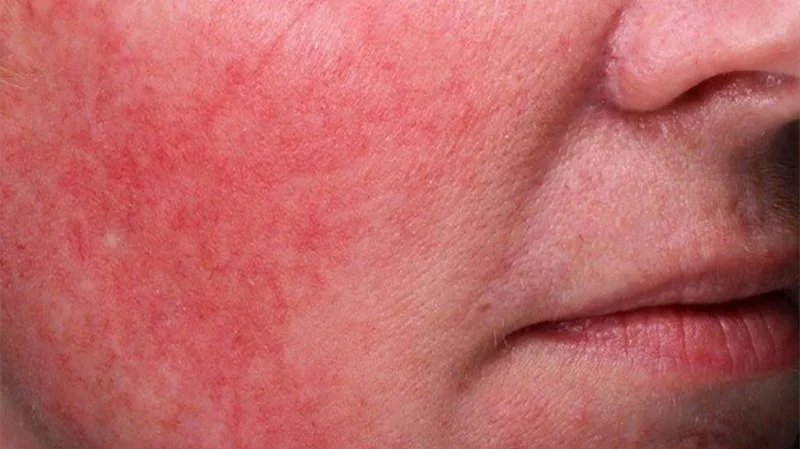
Skin inflammation is a common condition that affects millions of people, often showing up as redness, irritation, itching, or swelling. It’s the body’s natural response to protect itself from infection or injury, but when left unmanaged, it can become a persistent issue that impacts both comfort and confidence.
Inflamed skin can result from allergic reactions, environmental factors, or even stress. For example, chronic inflammation such as eczema or rosacea is not just a cosmetic issue—it reflects underlying sensitivity or immune imbalance. Recognizing the early signs of inflammation can help prevent minor irritation from escalating into a more severe condition.
2. Common Causes of Inflamed Skin
Several factors can trigger skin inflammation, and understanding them is key to prevention. Here are the most frequent causes seen in dermatology:
1. Environmental stressors: Exposure to harsh sunlight, cold wind, or pollution can weaken the skin’s protective barrier, leading to inflammation.
2. Allergic reactions: Certain cosmetics, fragrances, or detergents may contain irritants that cause redness or burning sensations.
3. Poor skincare habits: Over-exfoliating, using alcohol-based products, or skipping moisturizers can strip the skin of natural oils.
4. Dietary factors: Spicy foods, alcohol, and sugar can trigger inflammatory responses in sensitive individuals.
5. Stress and lack of sleep: Elevated cortisol levels due to stress can worsen inflammatory skin conditions like acne or psoriasis.
Being aware of these triggers allows you to tailor your skincare routine to your skin’s needs and avoid unnecessary irritation.
3. Preventing Skin Inflammation
Prevention begins with strengthening the skin barrier. A well-moisturized, balanced skin surface is far less likely to develop inflammation. Choose a gentle cleanser with a pH close to that of natural skin (around 5.5) and avoid over-cleansing. Follow up with a moisturizer containing ingredients like ceramides, hyaluronic acid, or niacinamide, which help repair and retain moisture.
Sun protection is another crucial factor. UV rays are one of the leading causes of inflammation and premature aging. Apply broad-spectrum sunscreen daily, even when indoors or during cloudy weather.
Finally, keep your environment skin-friendly. Using a humidifier during winter or switching to hypoallergenic laundry detergents can minimize external irritants that cause flare-ups.
4. How to Manage Inflamed Skin Effectively
If your skin is already inflamed, the goal is to soothe and restore its balance without further irritation. Start by identifying the cause—whether it’s a product, environmental exposure, or stress—and eliminate it immediately.
Apply a cool compress to reduce heat and swelling, followed by a calming product containing aloe vera, colloidal oatmeal, or chamomile extract. Avoid heavy makeup and exfoliation during flare-ups, as they can aggravate the inflammation. For persistent or severe cases, consider consulting a dermatologist for topical corticosteroids or prescription anti-inflammatory creams.
Hydration is key—both internally and externally. Drink plenty of water and opt for gentle, fragrance-free moisturizers that provide long-lasting relief.
5. Real-Life Examples and Expert Tips
One real-world example involves a woman from California who developed inflamed skin after using a new exfoliating toner. She later discovered that the product contained alcohol and synthetic fragrance—both known irritants. By switching to a gentler skincare routine and incorporating soothing ingredients like panthenol and oat extract, her skin recovered within weeks.
Dermatologists also emphasize lifestyle factors. A balanced diet rich in antioxidants, omega-3 fatty acids, and vitamin E supports skin health from the inside out. Regular exercise and mindfulness practices such as yoga can lower stress-induced inflammation. These small but consistent habits make a big difference in maintaining calm, radiant skin.
6. Trusted Solutions from SkinCare Experts
When managing or preventing inflamed skin, choosing the right products is crucial. That’s why SkinCare Experts offers a curated range of dermatologist-approved products designed to calm, protect, and nourish sensitive skin. From lightweight moisturizers to barrier-repair serums, every product is selected for its gentle yet effective performance.
If you’re unsure which product suits your skin type or condition, SkinCare Experts also provides personalized consultations and educational resources to help you make informed decisions. With the right knowledge and support, you can maintain healthy, inflammation-free skin all year long.





 Dermatology Center of Loudoun - Stone Ridge4.0 (35 reviews)
 BeautyInDepth Llc.5.0 (24 reviews)
 Pure Skin Esthetic Studio5.0 (2 reviews)
 Kelly Kristen Drill0.0 (0 reviews)
 Dolce Bliss Esthetics5.0 (10 reviews)
 Vivid Health & Beauty5.0 (58 reviews)
 Best Products for Dull Skin: What You Need to Know
 How to Manage Inflamed Skin for People with Combination Skin – Expert Tips
 Guide To Skin Care Treatments For Blackheads For Women
 How To Effectively Use Vitamin C Serum to Improve Eczema
 Best Products For Large Pores Using Natural Remedies
 How To Prevent Dark Circles And How To Manage It