
- 1 - Understanding Environmental Pollutants and Their Effects on Skin
- 2 - The Role of Antioxidants in Protecting Your Skin
- 3 - Top Antioxidants for Skin Health
- 4 - How to Incorporate Antioxidants into Your Skincare Routine
- 5 - Case Study: How Antioxidants Help Protect Skin from Pollution
1. Understanding Environmental Pollutants and Their Effects on Skin
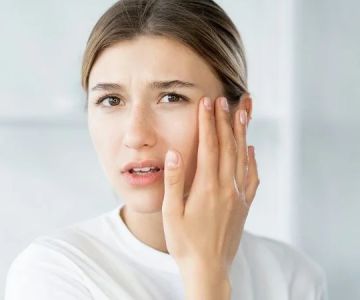
Our skin is constantly exposed to environmental pollutants such as air pollution, UV radiation, and harmful chemicals. These pollutants can accelerate the aging process, cause inflammation, and lead to various skin issues such as acne, premature wrinkles, and pigmentation. Pollution particles, like particulate matter (PM2.5), can penetrate the skin, causing oxidative stress that damages cells and tissues.
Over time, these environmental factors can weaken the skin's barrier, leading to increased sensitivity, dryness, and a dull complexion. Understanding the effects of these pollutants is the first step toward protecting your skin from their harmful effects.
2. The Role of Antioxidants in Protecting Your Skin
Antioxidants play a crucial role in neutralizing free radicals, which are unstable molecules generated by environmental pollutants. Free radicals cause oxidative stress, leading to skin damage, inflammation, and accelerated aging. By introducing antioxidants into your skincare routine, you can protect your skin from these harmful effects and maintain a healthy, glowing complexion.
Antioxidants work by donating electrons to free radicals, neutralizing them and preventing further damage to skin cells. This helps reduce the impact of pollution on the skin, keeping it nourished, hydrated, and protected from external stressors.
3. Top Antioxidants for Skin Health
Several antioxidants have been proven to offer significant benefits for the skin, especially in protecting it from environmental damage. Some of the most effective antioxidants for skin health include:
- Vitamin C: Known for its ability to brighten the skin, vitamin C also helps protect the skin from UV damage and promotes collagen production, making it a powerful anti-aging ingredient.
- Vitamin E: Vitamin E is a fat-soluble antioxidant that helps protect the skin from oxidative stress. It also moisturizes the skin and helps reduce the appearance of scars and wrinkles.
- Green Tea Extract: Rich in polyphenols, particularly EGCG (epigallocatechin gallate), green tea extract provides strong protection against UV radiation and environmental toxins. It also has anti-inflammatory properties, making it ideal for calming irritated skin.
- Niacinamide: Niacinamide, or vitamin B3, is known for its ability to reduce inflammation, improve the skin’s barrier function, and protect against oxidative stress. It also helps even out skin tone and reduce hyperpigmentation caused by pollution.
- Coenzyme Q10 (CoQ10): CoQ10 is a naturally occurring antioxidant in the body that helps protect skin cells from oxidative damage. It helps improve skin elasticity and reduce fine lines and wrinkles.
- Resveratrol: Resveratrol is found in red wine and certain berries and is known for its potent antioxidant properties. It helps protect the skin from environmental pollutants and promotes a youthful appearance by reducing the signs of aging.
4. How to Incorporate Antioxidants into Your Skincare Routine
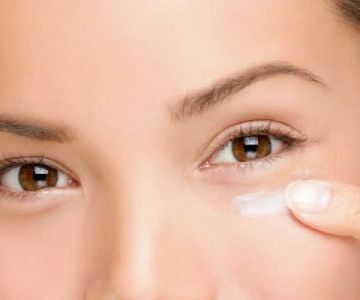
Incorporating antioxidants into your skincare routine is essential for protecting your skin from environmental damage. Here’s how you can effectively use antioxidants for optimal skin protection:
- Use Vitamin C Serum: Vitamin C serums are one of the most popular and effective ways to protect your skin from environmental damage. Apply a vitamin C serum in the morning before sunscreen to help neutralize free radicals and prevent UV-induced damage.
- Moisturize with Vitamin E: Look for moisturizers that contain vitamin E to help lock in hydration and protect your skin from pollution. Vitamin E also promotes healing and repair, especially after exposure to harsh environmental factors.
- Incorporate Green Tea Extract: Green tea extract can be found in many serums, moisturizers, and masks. Use products with green tea extract to reduce inflammation and protect against environmental damage.
- Niacinamide for Evening Skincare: Niacinamide can be used in your evening skincare routine to repair the skin's barrier and combat oxidative stress accumulated throughout the day.
- Daily Sunscreen with Antioxidants: Opt for sunscreen formulas that contain antioxidants like vitamin C and E. These products offer double protection, guarding against UV rays and environmental pollution simultaneously.
5. Case Study: How Antioxidants Help Protect Skin from Pollution
Several studies have shown that antioxidants can significantly reduce the harmful effects of environmental pollutants on the skin. For instance, a clinical trial published in the *Journal of Investigative Dermatology* found that participants who used a skincare regimen with antioxidants such as vitamin C and E showed significant improvement in skin texture, tone, and protection against pollution-related skin damage.
One real-life example is Emma, a city dweller who began incorporating antioxidants into her skincare routine due to concerns about pollution-related skin aging. After several months of using a vitamin C serum, a green tea extract moisturizer, and a sunscreen with added antioxidants, Emma noticed a visible reduction in the dullness of her skin and a more youthful, radiant complexion. She attributed this improvement to the powerful antioxidant protection she was giving her skin against the pollutants in her environment.

 Piel Bella Clinica Estetica5.0 (2 reviews)
 Audrey's Skin Care Corporation0.0 (0 reviews)
 Sham Skin Care & Spa LLC5.0 (24 reviews)
 Transcending Esthetics5.0 (4 reviews)
 Skin Bliss4.0 (7 reviews)
 Marilyn Jaeger Skincare Studio4.0 (13 reviews)
 The Science Behind Acne And How To Manage It
 Common Mistakes in Eczema Using Natural Remedies and How to Avoid Them
 Best Practices For Dry Skin And How To Manage It
 How to Boost Your Skin's Retinol for Inflamed Skin Safely and Effectively
 Everything You Need To Know About Uneven Skin Tone And How To Manage It
 Expert Advice on Puffy Eyes in People Over 40 – Causes and Solutions