

- 1. Introduction: What is Uneven Skin Tone?
- 2. Common Causes of Uneven Skin Tone
- 3. Skincare Routine for Achieving Even Skin Tone
- 4. Effective Treatments for Uneven Skin Tone
- 5. Lifestyle Changes to Support Skin Health
- 6. Preventing Future Skin Tone Imbalance
- 7. Conclusion: Embrace Your Glow with Confidence
1. Introduction: What is Uneven Skin Tone?
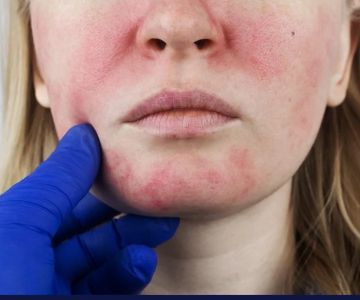
Uneven skin tone refers to a condition where the skin has areas of discoloration, whether in the form of dark spots, redness, or dullness. It is a common concern for many people, especially as they age or due to sun exposure. While this condition doesn't necessarily indicate a severe health problem, it can be bothersome for those seeking smooth, radiant skin. In this article, we'll explore the causes of uneven skin tone and effective ways to manage it, helping you achieve a glowing complexion.
2. Common Causes of Uneven Skin Tone
Uneven skin tone can result from various factors. The most common causes include:
- Sun Exposure: Prolonged exposure to the sun without protection can lead to hyperpigmentation, causing dark spots or patches on the skin.
- Hormonal Changes: Conditions like pregnancy or the use of birth control pills can cause hormonal imbalances, leading to melasma, a type of pigmentation issue.
- Aging: As we age, skin becomes thinner, and collagen production decreases, leading to uneven pigmentation and a dull complexion.
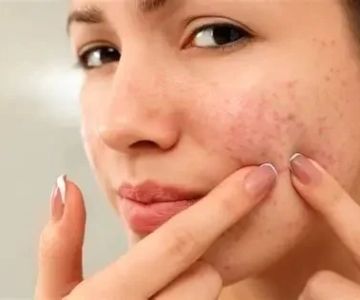
- Acne Scarring: Post-inflammatory hyperpigmentation occurs when acne scars leave behind dark spots, resulting in uneven skin tone.
- Genetics: Some individuals may naturally be prone to conditions that cause uneven pigmentation, such as freckles or age spots.
Understanding these causes is the first step in managing and preventing uneven skin tone.
3. Skincare Routine for Achieving Even Skin Tone
A consistent skincare routine is essential for managing uneven skin tone. Here are some key steps to incorporate into your daily regimen:
- Cleansing: Use a gentle cleanser to remove dirt, oil, and makeup without stripping your skin of its natural moisture.
- Exfoliation: Exfoliating once or twice a week helps remove dead skin cells, allowing new, healthy skin to surface and reducing the appearance of dark spots.
- Toning: A good toner can help balance the skin's pH and prepare it for treatments. Look for toners with ingredients like witch hazel or glycolic acid.
- Serums and Treatments: Vitamin C serums are excellent for brightening skin and reducing pigmentation. Retinoids can also promote cell turnover, helping to fade dark spots over time.
- Moisturizing: A good moisturizer keeps your skin hydrated, helping to maintain its barrier and prevent further irritation or discoloration.
4. Effective Treatments for Uneven Skin Tone
In addition to a solid skincare routine, specific treatments can help reduce uneven skin tone:
- Laser Therapy: For severe cases, treatments like fractional lasers can target pigmentation and improve overall skin tone.
- Chemical Peels: A chemical peel involves applying a solution to remove the top layer of skin, helping to diminish pigmentation and encourage new skin growth.
- Microneedling: This procedure stimulates collagen production, which can help reduce pigmentation and improve skin texture.
Always consult with a dermatologist before pursuing these treatments to ensure they’re suitable for your skin type.
5. Lifestyle Changes to Support Skin Health
Along with skincare treatments, certain lifestyle changes can greatly support your efforts to achieve even skin tone:
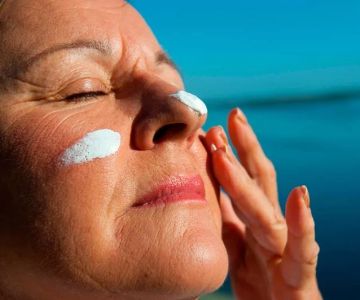
- Sun Protection: Always use sunscreen with SPF 30 or higher. Reapply every two hours when outdoors, and avoid direct sun exposure during peak hours.
- Healthy Diet: Eating a balanced diet rich in antioxidants (e.g., fruits, vegetables, and nuts) can support your skin's health and prevent pigmentation.
- Avoiding Smoking: Smoking can lead to premature aging and skin discoloration, so quitting can significantly benefit your complexion.
6. Preventing Future Skin Tone Imbalance
Preventing uneven skin tone is often easier than treating it. Regularly applying sunscreen, using antioxidant-rich skincare products, and staying consistent with your skincare routine can help keep your skin looking even and bright. Be proactive about skin health to avoid future issues.
7. Conclusion: Embrace Your Glow with Confidence
Uneven skin tone is a common concern, but with the right knowledge and tools, it's entirely possible to manage and reduce its effects. Whether through a solid skincare routine, professional treatments, or lifestyle changes, you can achieve smoother, more even skin. Embrace your journey to glowing skin with confidence, and remember, consistency is key.
For more tips and product recommendations, visit SkinCare Experts for expert advice and top-quality skincare solutions.



 Aesthetics by Mary4.0 (47 reviews)
 Skin Solution SF Acne Clinic5.0 (26 reviews)
 GLO30 Ashburn One Loudoun5.0 (82 reviews)
 Code of Harmony5.0 (14 reviews)
 Body by Quita5.0 (82 reviews)
 Updegraff Clinic for Allergy & Dermatology4.0 (39 reviews)
 Best Skin Care Routine For Scars For Sensitive Skin: Effective Healing Tips
 How to Prevent Redness Effectively
 Guide to Skin Care Treatments for Hyaluronic Acid for Fine Lines Skin
 How to Boost Your Skin's Retinol for Inflamed Skin Safely and Effectively
 How To Brighten Sun Damage Effectively
 How To Heal Your Whiteheads With These 15 Tips