

How To Repair Sun Damage In People Living In Humid Climates
php-templateCopy code- 1. Understanding Sun Damage and Humid Climates
- 2. The Impact of Humidity on Skin Health
- 3. Key Steps for Repairing Sun Damage
- 4. Recommended Skin Care Products for Sun Damage Repair
- 5. Lifestyle Changes to Protect and Repair Skin
- 6. Expert Tips on Maintaining Healthy Skin in Humid Climates
- 7. Conclusion: Repairing Sun Damage Effectively
1. Understanding Sun Damage and Humid Climates
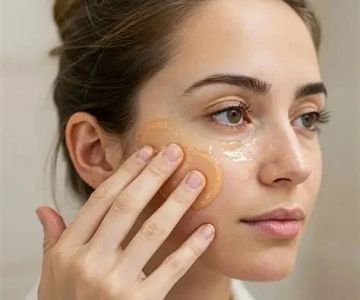
Living in a humid climate brings its own set of challenges when it comes to skin health. The combination of high heat and moisture can exacerbate the effects of sun exposure, leading to increased skin damage. Sun damage includes sunburn, premature aging, and hyperpigmentation. In humid climates, sweat and environmental factors can also contribute to clogged pores, making it more difficult for the skin to repair itself. This is why it’s essential to take steps to repair sun damage and protect your skin from further harm.
2. The Impact of Humidity on Skin Health
Humidity plays a significant role in how the skin reacts to the sun. While the moisture in the air can make the skin feel hydrated on the surface, it can also clog pores, leading to breakouts and irritation. Furthermore, high humidity levels often cause sweating, which can wash away sunscreen and expose the skin to harmful UV rays for longer periods.
How Humidity Affects the Skin
In humid climates, the skin is more prone to becoming oily due to the increased production of sebum. This can mix with dirt and sweat, leading to clogged pores, acne, and other skin irritations. On top of this, sun exposure accelerates skin aging by breaking down collagen and elastin fibers, making the skin more susceptible to fine lines, wrinkles, and dark spots. Repairing sun damage in such conditions requires a thoughtful approach to skincare.
3. Key Steps for Repairing Sun Damage
Repairing sun damage is a multi-step process that involves both treatment and prevention. Here are the essential steps you can take to begin the repair process:
1. Gentle Cleansing
Start by using a gentle, hydrating cleanser that will remove sweat, dirt, and oils without stripping your skin's natural moisture. Avoid harsh cleansers that can irritate already sun-damaged skin. Look for products that are sulfate-free and designed for sensitive skin.
2. Exfoliation
Exfoliation helps to remove dead skin cells that can trap dirt and oil, allowing new skin to surface. Opt for mild exfoliants with gentle acids, such as AHAs (Alpha Hydroxy Acids) or BHAs (Beta Hydroxy Acids), which help to speed up the skin's renewal process without causing further irritation.
3. Hydration
Hydrating your skin is key to repairing sun damage, especially in humid climates. Use a lightweight, oil-free moisturizer that can hydrate without clogging pores. Ingredients like hyaluronic acid can draw moisture into the skin, helping it stay plump and smooth.
4. Sun Protection
While repairing sun damage, it is critical to protect the skin from further harm. Always apply a broad-spectrum sunscreen with SPF 30 or higher, even on cloudy days or when indoors. Sunscreen not only prevents further damage but also allows your skin to repair itself without interference from UV rays.
4. Recommended Skin Care Products for Sun Damage Repair
Choosing the right skincare products is essential for repairing sun damage. Some ingredients and products can help to rejuvenate the skin and reduce visible damage:
1. Vitamin C
Vitamin C is a powerful antioxidant that helps to brighten dark spots and improve skin tone. It also helps to stimulate collagen production, which is essential for repairing skin damaged by UV rays. Look for serums that contain stabilized vitamin C for maximum effectiveness.
2. Retinoids
Retinoids, or vitamin A derivatives, are renowned for their ability to speed up cell turnover and reduce fine lines and wrinkles. Using a retinoid at night can accelerate the healing of sun-damaged skin by promoting the production of new, healthy skin cells.
3. Aloe Vera
Aloe vera is known for its soothing and anti-inflammatory properties, making it a great option for calming sunburned or irritated skin. It also helps to hydrate and cool the skin, making it ideal for use in humid environments.
4. Niacinamide
Niacinamide, or vitamin B3, is an excellent ingredient for reducing redness and dark spots caused by sun exposure. It also helps to improve the skin’s barrier function, which is crucial for protecting it from further environmental damage.
5. Lifestyle Changes to Protect and Repair Skin
In addition to using skincare products, there are lifestyle changes that can help repair sun damage and maintain healthy skin:
1. Stay Hydrated
Drinking plenty of water is essential for keeping your skin hydrated from the inside out. Proper hydration helps to maintain the skin's elasticity and can reduce the appearance of fine lines and wrinkles caused by sun exposure.
2. Avoid Direct Sun Exposure
During peak sunlight hours, it’s best to stay in the shade or indoors to minimize sun exposure. If you must go outside, be sure to wear protective clothing, such as a wide-brimmed hat and sunglasses, to shield your skin from harmful rays.
3. Eat a Skin-Healthy Diet
Consuming a diet rich in antioxidants, vitamins, and healthy fats can support your skin’s repair process. Foods like berries, avocados, nuts, and leafy greens can help nourish your skin and reduce inflammation caused by sun damage.
6. Expert Tips on Maintaining Healthy Skin in Humid Climates
Living in a humid climate requires special care to maintain healthy, glowing skin. Here are some expert tips for keeping your skin in top shape:
1. Use Oil-Free Products
Because humidity can make your skin feel greasy, it’s important to use oil-free skincare products. These products will hydrate and protect your skin without clogging your pores or making your skin feel heavy.
2. Keep Skin Clean and Fresh
Frequent cleansing is important to remove sweat and excess oils from the skin. However, always choose gentle products to avoid over-drying or irritating the skin.
3. Be Consistent with Your Skin Care Routine
Consistency is key when it comes to repairing and maintaining healthy skin. Stick to a skincare routine that includes sunscreen, hydration, and gentle exfoliation to ensure your skin stays protected and revitalized.
7. Conclusion: Repairing Sun Damage Effectively
Repairing sun damage in humid climates requires a combination of proper skincare, lifestyle adjustments, and consistent sun protection. By using the right products and adopting healthy habits, you can effectively reduce the effects of sun damage and maintain vibrant, healthy skin. For personalized recommendations and skincare products designed for sun damage repair, visit SkinCare Experts, where you'll find solutions tailored to your unique skin needs.

 Advanced Dermatology Care4.0 (178 reviews)
 Allyson-Brittany Aesthetics4.0 (102 reviews)
 Kyssed Beauty LLC5.0 (5 reviews)
 Sapien Skin and Beauty4.0 (127 reviews)
 Zodi Body LLC0.0 (0 reviews)
 West Point Aesthetic Center4.0 (29 reviews)
 How To Prevent Your Dark Circles With These 7 Tips
 How to Heal Eczema: What You Need to Know
 Expert Advice On Eczema For People With Combination Skin
 Effective Skin Care Tips to Minimize Scars and Enhance Healing
 How To Manage Dull Skin: What You Need To Know
 How To Deal With Cleansers For Age Spots Skin | SkinCare Experts