
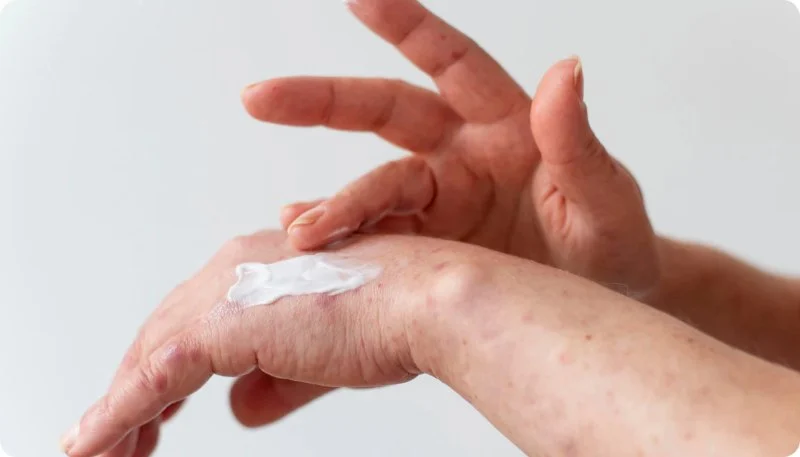
- understanding-combination-skin-with-eczema - Understanding Combination Skin with Eczema
- identifying-eczema-triggers-in-combination-skin - Identifying Eczema Triggers in Combination Skin
- choosing-the-right-skincare-routine - Choosing the Right Skincare Routine
- ingredients-to-seek-and-avoid - Ingredients to Seek and Avoid
- real-case-study-managing-flare-ups-effectively - Real Case Study: Managing Flare-Ups Effectively
- when-to-consult-a-specialist - When to Consult a Specialist
1. Understanding Combination Skin with Eczema
Living with combination skin already means dealing with two opposing skin types—oily in some zones, dry in others. Add eczema into the mix, and skincare becomes more complex. Eczema, or atopic dermatitis, thrives in dry environments, but oily zones like the T-zone don’t make things easier. This unique balance makes choosing the right skincare a delicate act.
Dr. Liane Simmons, a dermatologist in New York, explains: “Many patients come in thinking they have to treat their entire face one way. But for combination skin with eczema, targeted care is essential. It’s not one-routine-fits-all.” Understanding how your skin behaves in each zone is the first step to crafting a sustainable care regimen.
2. Identifying Eczema Triggers in Combination Skin
2.1 Environmental Factors
Dry air during winter, excessive heat, or even pollution can aggravate eczema. While your cheeks may become dry and inflamed, your forehead might overproduce sebum in response—leading to even more confusion. Using a humidifier and adjusting your skincare seasonally can help.
2.2 Product Overuse or Misuse
People with combination skin often try to “balance” their complexion using harsh exfoliants or multiple cleansers. This strips the skin barrier, triggering eczema flare-ups especially in sensitive areas. Mild, fragrance-free formulations are essential for avoiding this common trap.
3. Choosing the Right Skincare Routine
3.1 Cleanser Strategy
Use a gentle, sulfate-free cleanser that hydrates without leaving residue. Some dermatologists suggest using one cleanser for your oily areas and another for dry patches, especially during flare-up periods.
3.2 Moisturizing Wisely
Moisturizing is the cornerstone of eczema care. Use a heavier, ceramide-rich moisturizer on drier parts of your face and a lighter gel-based formula on oily zones. Layering techniques can help maintain hydration without clogging pores.
3.3 Treatment Serums
Look for ingredients like niacinamide (to calm inflammation), hyaluronic acid (for lightweight hydration), and colloidal oatmeal (for soothing dry patches). Avoid layering too many actives, as they can disrupt the skin’s natural barrier.
If you’re unsure which products strike this delicate balance, SkinCare Experts offers curated solutions specifically for eczema-prone combination skin, with dermatologist-approved ingredient lists and usage guidance.
4. Ingredients to Seek and Avoid
4.1 Safe Ingredients for Sensitive Combination Skin
- Ceramides- Glycerin- Panthenol- Aloe vera- Squalane- Calendula extract
4.2 Potential Irritants to Steer Clear Of
- Fragrance and essential oils (especially citrus or mint)- Alcohol-based toners- Physical exfoliants with sharp particles- Sulfates and synthetic dyes
5. Real Case Study: Managing Flare-Ups Effectively
Sarah M., a 32-year-old from Austin, Texas, struggled with flaky cheeks and oily breakouts on her forehead. She had tried countless “balancing” products that only worsened her eczema. After consulting a skin specialist and switching to a dual-moisturizer strategy and gentle cleansing routine, her flare-ups became rare and manageable. She now customizes her skincare by season and pays close attention to ingredient labels.
Her advice? “Don’t assume your oily areas don’t need moisture. My eczema calmed down once I stopped over-cleansing and started treating each area of my face like it had its own personality.”
6. When to Consult a Specialist
6.1 Persistent Redness or Itchiness
If your eczema doesn't respond to over-the-counter remedies or continues to spread, it’s time to speak to a dermatologist. Prescription options like topical corticosteroids or calcineurin inhibitors may be necessary.
6.2 Skin Infections or Cracking
Open wounds or yellow crusting can indicate infection. At that point, self-treatment could do more harm than good. Professional intervention ensures you don’t aggravate the skin further while targeting the real issue.
6.3 Custom Skincare Plan
A licensed professional can help build a routine tailored to your unique skin map. Combination skin with eczema is anything but standard, and your routine shouldn’t be either.




 ProSkin5.0 (20 reviews)
 Especially Aesthetic0.0 (0 reviews)
 Cameron Dermatology4.0 (572 reviews)
 LillyFace Premium Skin Care5.0 (1 reviews)
 Wake Up & Make Up By Ann Located in own building4.0 (13 reviews)
 Tampa Bay Laser Lipo4.0 (55 reviews)
 Daily Skin Care Routine for Dark Circles in People Living in Dry Climates
 How to Avoid Oily Skin in People with Sensitive Skin – Dermatologist Tips & Daily Skincare Guide
 How To Soothe Cleansers to Improve Inflamed Skin Naturally and Effectively
 How to Deal with Uneven Skin Tone Using Natural Remedies
 Daily Skin Care Routine For Dull Skin In People With Sensitive Skin
 How To Soothe Redness Using Natural Remedies