SkinCare Experts
SkinCare ExpertsSkin Care BlogSkin Care Near Me
ConnecticutDelawareDistrict of ColumbiaMaineMarylandMassachusettsNew HampshireNew JerseyNew YorkPennsylvaniaRhode IslandVirginiaWest Virginia
SkinCare ExpertsSkin Care Blog

How to Heal Eczema: What You Need to Know

How to Heal Eczema: What You Need to Know

1. Understanding Eczema and Its Causes

Eczema, also known as atopic dermatitis, is a chronic skin condition that causes inflammation, redness, and irritation. It can appear in patches on the skin, often becoming itchy, dry, and flaky. While the exact cause of eczema is not fully understood, it’s believed to be a combination of genetic and environmental factors that contribute to the development of the condition.Key Causes of Eczema Include:Genetics: A family history of eczema or other allergic conditions, such as asthma or hay fever, increases the likelihood of developing eczema.Immune System Dysfunction: Eczema is thought to occur when the immune system overreacts to harmless substances, triggering inflammation in the skin.Environmental Triggers: Factors like dust mites, pet dander, harsh chemicals, or changes in weather can aggravate eczema symptoms.Skin Barrier Defects: People with eczema have a weakened skin barrier that struggles to retain moisture and protect against irritants.Understanding these underlying causes is important for managing eczema and knowing what to avoid in order to prevent flare-ups.

2. Common Symptoms of Eczema

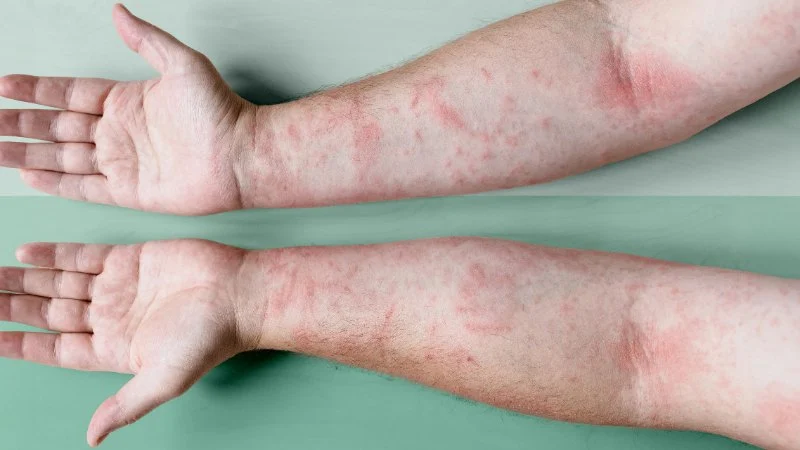
The symptoms of eczema can vary in severity, but the most common signs include:1. Itchy SkinItching is one of the most noticeable symptoms of eczema. It can become intense, especially during flare-ups, leading to scratching that worsens the condition.2. Dry, Red, or Inflamed SkinEczema often causes the skin to become dry, red, and inflamed. This can make the skin look irritated and feel uncomfortable, sometimes leading to cracks and bleeding if left untreated.3. Rash and BlistersIn more severe cases, eczema can lead to the development of a rash that may turn into small, fluid-filled blisters. These blisters can burst, causing crusts to form.4. Thickened SkinChronic scratching or rubbing of the affected areas can cause the skin to thicken and become leathery, known as lichenification.These symptoms can affect different parts of the body, but eczema commonly appears on the hands, feet, behind the knees, or around the elbows. Identifying these symptoms early on allows for better management and treatment.

3. Effective Treatments for Eczema

While there is no permanent cure for eczema, there are several treatments available that can help manage symptoms and promote healing. A combination of medical treatments, skincare routines, and lifestyle changes is often the most effective approach.1. Topical SteroidsTopical corticosteroids are commonly prescribed to reduce inflammation and itching in eczema flare-ups. They come in various strengths, with stronger formulations typically used for more severe cases. However, these should be used sparingly to avoid side effects from long-term use.2. Topical Calcineurin InhibitorsThese non-steroidal medications, such as tacrolimus or pimecrolimus, help reduce immune system activity and inflammation. They are often used for delicate areas like the face or skin folds, where steroids might be too harsh.3. MoisturizersOne of the most important aspects of eczema treatment is keeping the skin moisturized. Using thick, fragrance-free moisturizers, such as petroleum jelly or ceramide-based creams, helps restore the skin barrier and prevent dryness, a key trigger of eczema flare-ups.4. Wet Wrap TherapyWet wrap therapy involves applying a thick moisturizer or topical medication to the affected area and then covering it with damp cloths, followed by a dry layer. This helps lock in moisture and enhances the absorption of the treatment, providing relief from intense flare-ups.5. AntihistaminesFor managing itching and improving sleep, antihistamines can be helpful. They work by blocking histamines, which are chemicals involved in allergic reactions, reducing itching and swelling.

4. Natural Remedies for Eczema Relief

In addition to traditional treatments, many people turn to natural remedies for eczema relief. While these alternatives may not replace medical treatments, they can be beneficial in managing symptoms and supporting the skin’s healing process.1. Coconut OilCoconut oil is a popular natural remedy for eczema due to its anti-inflammatory and moisturizing properties. It can help soothe the skin, reduce redness, and keep the skin hydrated. Applying organic virgin coconut oil directly to the skin can provide relief from itching and dryness.2. Oatmeal BathsOatmeal is known for its soothing properties and can help relieve itching caused by eczema. Adding colloidal oatmeal to a lukewarm bath can reduce inflammation and moisturize the skin. It’s a simple and relaxing way to calm irritated skin.3. Aloe VeraAloe vera gel has cooling and anti-inflammatory properties that can soothe eczema-prone skin. Apply fresh aloe vera gel directly to the affected area to reduce redness and irritation. It can also help speed up the healing process of any cracked or damaged skin.4. ProbioticsProbiotics, particularly those found in fermented foods like yogurt, kimchi, and sauerkraut, may help reduce eczema symptoms by supporting gut health. There’s emerging evidence suggesting that a healthy gut microbiome plays a role in managing eczema flare-ups.5. Tea Tree OilTea tree oil has antiseptic and anti-inflammatory properties, making it an effective treatment for eczema. However, it should be used cautiously and diluted with a carrier oil like coconut or olive oil to prevent skin irritation.

5. How to Maintain Healthy Skin with Eczema

Maintaining healthy skin is crucial for preventing eczema flare-ups and minimizing their severity. Here are some practical tips to help you care for your skin:1. Avoid TriggersIdentify and avoid environmental triggers, such as harsh soaps, detergents, or extreme temperatures. Taking note of what causes your eczema to flare up and eliminating those triggers can help keep symptoms under control.2. Take Short, Lukewarm ShowersHot showers can strip the skin of its natural oils, exacerbating eczema. Opt for short, lukewarm showers and avoid using strong soaps or body washes. Pat your skin dry with a soft towel to avoid irritation.3. Wear Soft, Breathable FabricsOpt for clothing made from natural fabrics like cotton. Avoid wool and synthetic fabrics that can irritate the skin. Loose-fitting clothes are also less likely to rub against sensitive areas and cause further irritation.4. Keep Stress in CheckStress is a common trigger for eczema flare-ups. Incorporating stress-reducing activities into your routine, such as yoga, meditation, or deep breathing exercises, can help maintain skin health and prevent exacerbation of symptoms.In conclusion, healing eczema requires a combination of medical treatment, skincare routines, and lifestyle adjustments. By understanding the causes and symptoms of eczema and following a consistent treatment plan, it’s possible to manage flare-ups and maintain healthy, smooth skin. For personalized eczema care, visit SkinCare Experts for the best products and expert advice.

Popular Blog Posts

Categories

Top Visited Sites

Trending Skin Care Blog Posts