
- Understanding-Redness-and-Its-Triggers
- Immediate-Relief-Techniques-for-Redness
- Long-Term-Strategies-to-Heal-Skin
- Nutrition-and-Lifestyle-Influences
- Personal-Stories-and-Case-Examples
- Professional-Guidance-and-When-to-Seek-Help
- Trusted-Support-for-Skin-Health
1. Understanding Redness and Its Triggers
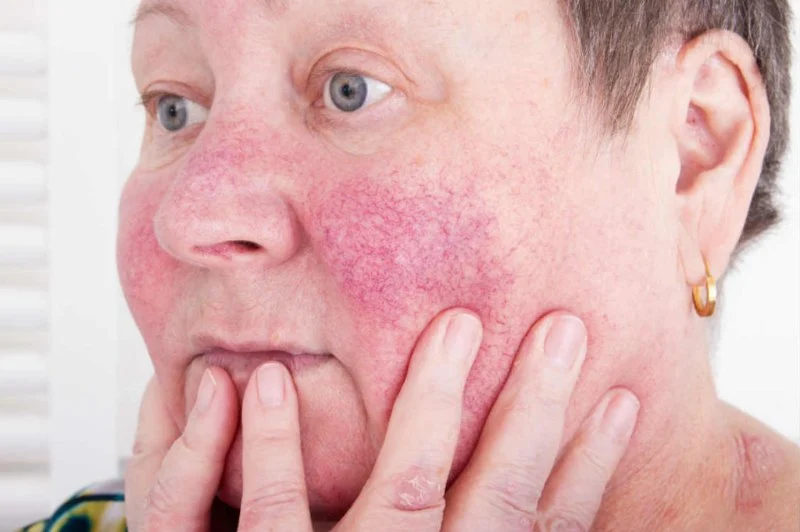
Skin redness can be caused by multiple factors such as irritation, allergies, sun exposure, or conditions like rosacea. Identifying the root cause is the first step to managing it effectively. For some people, redness appears temporarily after exposure to wind or extreme temperatures, while for others, it may be a chronic issue requiring consistent care. Recognizing whether it is environmental, genetic, or lifestyle-related helps tailor the right healing approach.
2. Immediate Relief Techniques for Redness
When redness flares up suddenly, applying a cool compress or using fragrance-free, soothing moisturizers can bring quick comfort. Aloe vera gel and chamomile-based products are popular natural remedies that calm inflamed skin. It is also important to avoid rubbing or scratching, which can worsen irritation. These small but effective measures make a noticeable difference, especially after sunburn or product sensitivity reactions.
3. Long-Term Strategies to Heal Skin
Healing redness is not just about temporary fixes. Establishing a consistent skincare routine with gentle cleansers, barrier-repair moisturizers, and broad-spectrum sunscreen helps prevent recurring redness. Dermatologists often recommend products with niacinamide or ceramides, which strengthen the skin barrier and reduce sensitivity. Over time, these practices restore balance and make skin more resilient against environmental stressors.
4. Nutrition and Lifestyle Influences
What you eat and how you live has a direct impact on skin health. A diet rich in antioxidants, omega-3 fatty acids, and vitamins can reduce inflammation and support healing. Stress management is equally important—high stress levels can trigger flare-ups in conditions like eczema and rosacea. Incorporating relaxation practices such as yoga or meditation alongside a nutrient-dense diet provides long-term benefits for skin and overall well-being.
5. Personal Stories and Case Examples
A Toronto-based student once shared how her recurring redness worsened during exam seasons due to stress and poor sleep. Instead of relying solely on makeup to cover it, she switched to a simpler skincare routine, increased her water intake, and practiced breathing exercises. Within weeks, not only did her skin calm down, but she also felt healthier overall. Stories like these emphasize that lifestyle and skincare go hand in hand when addressing redness.
6. Professional Guidance and When to Seek Help
While mild redness can often be managed at home, persistent or painful redness may require medical attention. Dermatologists can help identify underlying skin conditions and prescribe treatments when over-the-counter products are not enough. Seeking professional advice ensures that redness is managed safely and effectively without worsening the problem through trial-and-error approaches.
7. Trusted Support for Skin Health
Learning how to heal redness and how to manage it naturally takes patience and consistency. From soothing ingredients to balanced nutrition, each step plays a role in reducing flare-ups and restoring skin confidence. For those seeking reliable guidance, expert product recommendations, and tailored solutions, SkinCare Experts provides trusted support to help achieve calmer and healthier skin for the long term.



 GLO30 National Landing4.0 (218 reviews)
 Linda Lee Skin Care & Natural Nails5.0 (2 reviews)
 Carson Skin Rejuvenation5.0 (13 reviews)
 Charm's Aesthetics, LLC5.0 (5 reviews)
 Skin By Candace4.0 (13 reviews)
 Epiphany Dermatology4.0 (1746 reviews)
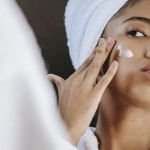 How To Boost Your Skin's Sensitive Skin In People Living In Humid Climates
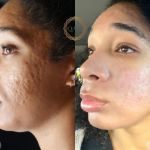 How To Repair Scars In People Over 40
 How To Brighten Sun Damage Effectively
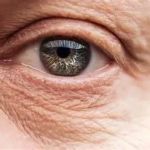 Top Tips for Fine Lines in Women: How to Manage and Reduce Them
 How To Reduce Dull Skin With A Simple Routine | Skincare Tips for Radiance
 How To Use Inflamed Skin Treatments for People with Combination Skin