
 <<<
<<<- 1- Understanding Scars and Skin
- 2- How Face Masks Can Help Scarred Skin
- 3- Best Ingredients for Scar Healing
- 4- Popular Face Mask Recipes for Scar Healing
- 5- How to Use Face Masks for Best Results
1- Understanding Scars and Skin
Scars form when the skin heals after an injury, burn, surgery, or other trauma. The healing process can result in skin that is different in texture and color from the surrounding tissue. Some scars may be more prominent, while others can be more subtle. For many people, the appearance of scars can be a concern, leading to a search for effective ways to heal and reduce their appearance.
Scars vary in type and severity, and they can develop in any area of the body, including the face. Whether it’s acne scars, surgical scars, or those from burns, face masks can be a useful tool in improving the look and feel of scarred skin. In this article, we’ll explore how face masks can nourish and improve scarred skin and the best ingredients for scar healing.
2- How Face Masks Can Help Scarred Skin
Face masks are a great way to nourish and treat scarred skin. By applying them regularly, you can enhance the healing process, hydrate your skin, and promote skin regeneration. The right face mask can target the underlying issues that cause scars, such as inflammation, dehydration, and uneven skin tone.
Face masks designed for scar healing typically contain ingredients that soothe the skin, encourage cell turnover, and help lighten pigmentation. These masks can provide concentrated treatments that are difficult to achieve with regular daily skin care routines.
3- Best Ingredients for Scar Healing
When choosing a face mask for scar healing, it’s essential to select ingredients known for their healing, nourishing, and brightening properties. Here are some of the best ingredients that can help improve the appearance of scars:
- Aloe Vera: Known for its soothing and healing properties, aloe vera helps reduce inflammation and hydrate the skin, making it a great option for scar treatment.
- Vitamin E: This powerful antioxidant promotes skin regeneration and can help lighten dark scars by improving collagen production.
- Honey: Honey is a natural humectant that helps retain moisture and provides antimicrobial benefits, promoting faster healing of scars.
- Tea Tree Oil: Known for its antibacterial properties, tea tree oil helps prevent infections and reduce inflammation, making it ideal for scar healing.
- Turmeric: This natural ingredient has anti-inflammatory and skin-brightening properties, which help reduce redness and pigmentation in scars.
- Rosehip Oil: Rich in essential fatty acids and antioxidants, rosehip oil helps regenerate skin cells and fade scars over time.
4- Popular Face Mask Recipes for Scar Healing
Now that we know the ingredients that can benefit scarred skin, here are a few face mask recipes you can try at home:
- Aloe Vera and Honey Mask: Mix equal parts aloe vera gel and honey, and apply the mask to the affected areas. Leave it on for 15-20 minutes, then rinse with warm water. This mask helps to soothe and hydrate the skin, promoting healing.
- Turmeric and Yogurt Mask: Combine turmeric powder with plain yogurt to form a paste. Apply the mixture to your scars and leave it on for 10-15 minutes before rinsing off. Turmeric helps to reduce pigmentation and brighten scars.
- Rosehip Oil and Vitamin E Mask: Blend a few drops of rosehip oil with vitamin E oil. Apply the mixture to your scars before bed and leave it overnight. This combination promotes cell regeneration and can help fade scars over time.
5- How to Use Face Masks for Best Results
To get the best results from face masks for scar healing, follow these tips:
- Consistency: For noticeable results, use a scar-healing face mask at least 2-3 times a week. Consistency is key to improving the appearance of scars over time.
- Patch Test: Always perform a patch test before applying a new face mask to your face to avoid any allergic reactions.
- Combine with Other Treatments: Combine your face mask with other skincare treatments like moisturizing and applying sunscreen to protect the scarred area from UV damage, which can darken scars.
- Patience: Healing scars takes time. Be patient, and don’t expect instant results. With regular use of the right ingredients, you’ll start to see improvements in the texture and appearance of your scars.
By incorporating face masks for scars into your skincare routine, you can nourish your skin and speed up the healing process. Remember, it’s important to select masks with the right ingredients for your skin type, and always be consistent with your treatments for the best results.
For more information on nourishing products and tips for scar healing, visit SkinCare Experts and explore a range of products and services designed to help improve your skin.


 GLO30 National Landing4.0 (218 reviews)
 Linda Lee Skin Care & Natural Nails5.0 (2 reviews)
 Carson Skin Rejuvenation5.0 (13 reviews)
 Charm's Aesthetics, LLC5.0 (5 reviews)
 Skin By Candace4.0 (13 reviews)
 Epiphany Dermatology4.0 (1746 reviews)
 How To Boost Your Skin's Sensitive Skin In People Living In Humid Climates
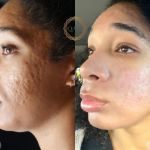 How To Repair Scars In People Over 40
 How To Brighten Sun Damage Effectively
 Top Tips for Fine Lines in Women: How to Manage and Reduce Them
 How To Reduce Dull Skin With A Simple Routine | Skincare Tips for Radiance
 How To Use Inflamed Skin Treatments for People with Combination Skin