
- Understanding Rosacea: What It Is and How It Affects You
- Symptoms of Rosacea: How to Recognize It
- Why Effective Rosacea Treatment is Important
- How to Manage Rosacea: Best Practices and Skincare Tips
- Real-Life Examples: Managing Rosacea Successfully
- When to Seek Professional Help for Rosacea
Understanding Rosacea: What It Is and How It Affects You
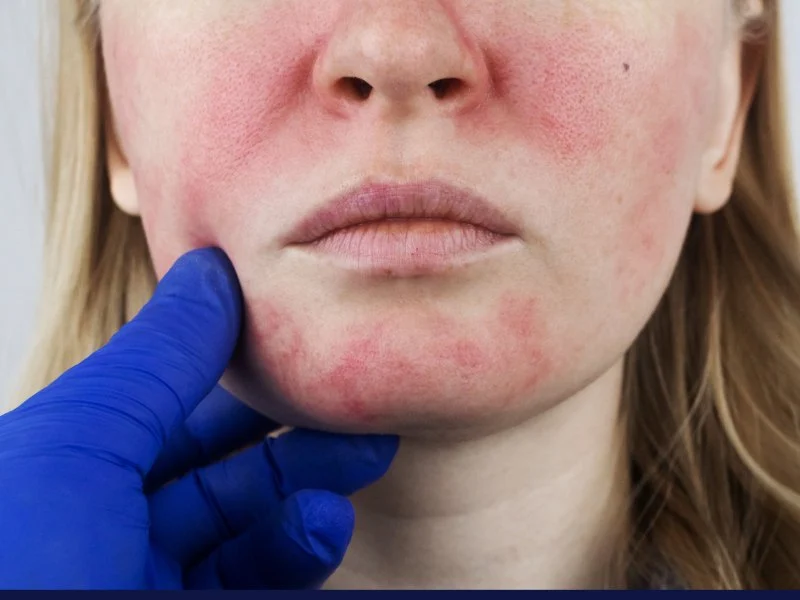
Rosacea is a chronic skin condition that primarily affects the face, causing redness, visible blood vessels, and sometimes, acne-like bumps. It typically occurs on the cheeks, nose, chin, and forehead but can affect other parts of the body in some cases. While it is most commonly seen in fair-skinned individuals, people of all skin types can develop rosacea.
Although the exact cause of rosacea is unknown, it is believed to be a combination of genetic and environmental factors. Common triggers include sun exposure, hot weather, alcohol, spicy foods, and stress. Understanding rosacea and how it affects your skin is the first step toward finding the right treatments and managing flare-ups effectively.
Symptoms of Rosacea: How to Recognize It
Rosacea often begins with episodes of redness in the face, and if left untreated, it can progress to more severe symptoms. Here are some of the key symptoms to look out for:
1. Redness and Flushing
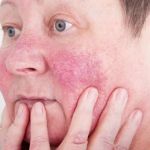
The most common sign of rosacea is persistent redness on the central part of the face, especially on the cheeks and nose. This redness may appear in episodes, often triggered by external factors such as temperature, alcohol, or stress.
2. Visible Blood Vessels
Small blood vessels on the skin may become visible, causing a web-like appearance on the skin. These are called telangiectasia and are another hallmark symptom of rosacea.
3. Acne-like Bumps
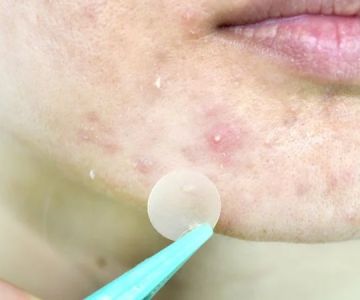
Some people with rosacea experience acne-like breakouts, including pimples, pustules, and swollen areas. Unlike regular acne, rosacea-related pimples are usually not filled with blackheads and can cause the skin to appear inflamed.
4. Eye Irritation
In some cases, rosacea can affect the eyes, causing irritation, dryness, or redness. This is known as ocular rosacea and may lead to more serious complications if not addressed properly.
Why Effective Rosacea Treatment is Important
Managing rosacea is not only about improving the appearance of the skin, but also about enhancing overall well-being. Untreated rosacea can lead to chronic redness, thickened skin, and in some cases, permanent scarring. Additionally, the emotional impact of rosacea should not be overlooked. Many individuals with rosacea report feeling self-conscious, stressed, or anxious due to their appearance, which can affect their quality of life.
Effective treatment can help prevent flare-ups, reduce symptoms, and improve both the physical and emotional aspects of living with rosacea. Using the right skincare products and following a proper treatment regimen can allow individuals with rosacea to feel confident and comfortable in their own skin.
How to Manage Rosacea: Best Practices and Skincare Tips
Managing rosacea requires a combination of lifestyle changes, skincare adjustments, and potentially medical treatments. Here’s how you can effectively manage rosacea on a daily basis:
1. Use Gentle, Non-Irritating Skincare Products
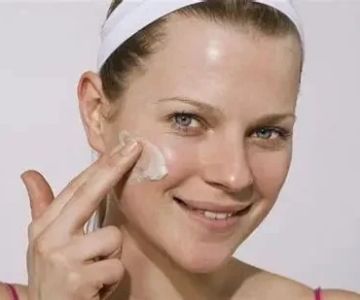
Choose skincare products that are specifically designed for sensitive skin. Look for gentle cleansers, moisturizers, and sunscreens that don’t contain alcohol, fragrances, or harsh chemicals. Hyaluronic acid, for example, is a great ingredient for hydrating sensitive skin without irritation.
2. Protect Your Skin from the Sun
Sun exposure is one of the biggest triggers for rosacea flare-ups. Always use a broad-spectrum sunscreen with SPF 30 or higher, and reapply it throughout the day, especially if you’re spending time outdoors. Consider wearing a wide-brimmed hat and avoiding direct sunlight during peak hours.
3. Avoid Known Triggers
Each person with rosacea may have different triggers, so it’s important to identify and avoid them. Common triggers include spicy foods, alcohol, hot beverages, stress, and extreme temperatures. Keeping a journal to track flare-ups can help you pinpoint what sets off your rosacea.
4. Consider Topical and Oral Treatments
In some cases, topical medications like metronidazole or azelaic acid can help reduce inflammation and control rosacea symptoms. For more severe cases, oral antibiotics such as tetracycline or doxycycline may be prescribed by a dermatologist. Laser treatments and light therapy can also help reduce visible blood vessels and redness in the skin.
Real-Life Examples: Managing Rosacea Successfully
Many people with rosacea have successfully managed their condition with the right treatment approach. Take Laura, for example. A 42-year-old woman who struggled with redness and visible blood vessels on her cheeks for years, Laura found that using a gentle skincare routine, coupled with prescription topical treatments, helped her reduce flare-ups significantly. She also eliminated spicy foods from her diet and started wearing sunscreen daily. With consistent care, she noticed a major improvement in her skin tone and a boost in her confidence.
Similarly, John, a 55-year-old man with ocular rosacea, used a combination of moisturizing eye drops and gentle eye care products. His doctor also prescribed an oral antibiotic, which helped control the inflammation around his eyes. After several months of treatment, John saw a reduction in irritation and discomfort and was able to manage his symptoms more effectively.
When to Seek Professional Help for Rosacea
If you have tried at-home remedies but continue to experience severe symptoms, it may be time to consult with a dermatologist. A professional can help determine the best treatment plan, which may include prescription medications or advanced treatments like laser therapy.
Seek professional help if you notice any of the following signs:
- Severe or persistent redness
- Thickening of the skin or enlarged pores
- Eye irritation or visual disturbances due to ocular rosacea
- Acne-like breakouts that don’t respond to over-the-counter treatments
By working with a dermatologist, you can find a treatment that best suits your skin type and rosacea severity, allowing you to manage the condition effectively and improve your skin health.
If you're looking for expert advice or skincare products to help manage rosacea, visit SkinCare Experts for personalized recommendations and trusted products that can support your skincare journey.

 Skin by Elena /Absolutely Looking Good5.0 (5 reviews)
 Glaer Skin5.0 (12 reviews)
 Skin Sanctuary, LLC5.0 (2 reviews)
 NW Illuminaion0.0 (0 reviews)
 Paragon Skin5.0 (8 reviews)
 Baby face skin care5.0 (4 reviews)
 Expert Advice on Puffy Eyes with a Simple Routine | Effective Eye Care Tips
 Everything You Need To Know About Scars For People With Combination Skin
 Natural Remedies For Moisturizer To Improve Oily Skin
 Ultimate Guide To Your Dry Skin With These 10 Tips
 How To Reduce Scars: What You Need To Know
 How To Heal Redness And How To Manage It Effectively