
- why-scars-form - Why scars form and what influences their appearance
- everyday-practices-for-reducing-scars - Everyday practices to minimize scar visibility
- medical-treatments-for-scars - Medical treatments that help reduce scars
- real-life-scar-recovery-story - Real-life story of scar recovery and lessons learned
- long-term-skin-care-strategies - Long-term strategies for scar reduction and skin health
- skincare-experts-support - How SkinCare Experts can support your scar treatment journey
1. Why scars form and what influences their appearance
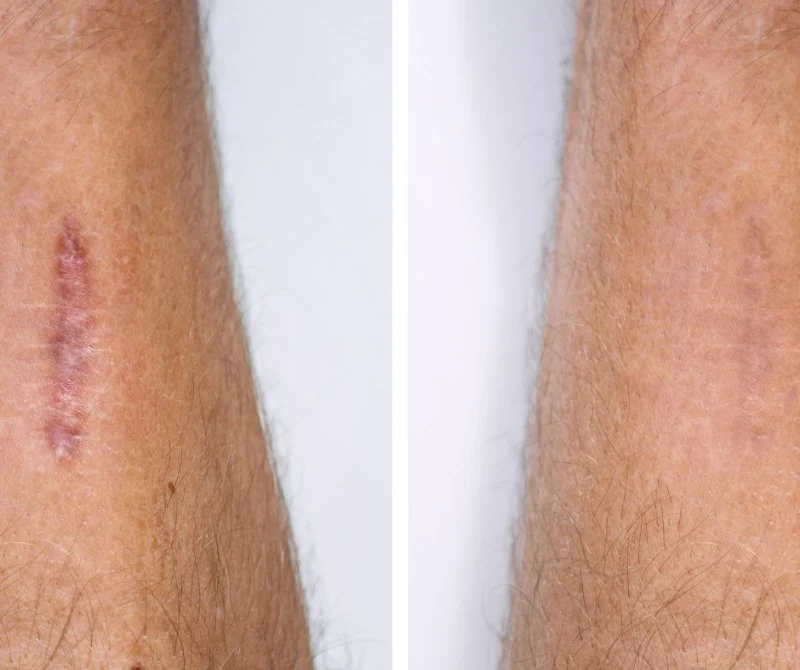
Scars are part of the body’s natural healing process. When skin is damaged by cuts, burns, acne, or surgery, the body produces collagen fibers to repair the wound. The speed of healing, your age, genetics, and even skin type can influence how visible scars become. Some people form raised scars like keloids, while others may experience flat, pale marks that fade over time. Understanding these differences is the first step in learning how to reduce scars effectively.
2. Everyday practices to minimize scar visibility
2.1 Consistent moisturizing
Keeping skin hydrated is one of the simplest ways to promote healing. Products containing vitamin E, aloe vera, or shea butter can help soften scar tissue and improve skin elasticity.
2.2 Sun protection
UV rays can darken scars, making them more noticeable. Using sunscreen daily, even on cloudy days, helps prevent scars from becoming permanently pigmented.
2.3 Avoid picking or scratching
Resisting the urge to touch healing wounds is crucial. Picking scabs or scratching can increase inflammation, prolong healing, and lead to more pronounced scarring.
3. Medical treatments that help reduce scars
While home care plays a major role, some scars require professional treatment. Dermatologists often recommend laser therapy to smooth out raised scars, or chemical peels to reduce discoloration. Silicone sheets and gels are also widely used to flatten scars and improve their texture. In Canada, many patients combine these treatments with at-home care to achieve optimal results. Choosing the right treatment depends on scar type, age, and location on the body.
4. Real-life story of scar recovery and lessons learned
A university student in Vancouver suffered a noticeable scar after knee surgery. Initially, she felt self-conscious and tried several over-the-counter creams with minimal improvement. Eventually, she visited a dermatologist who recommended a combination of silicone gel and fractional laser sessions. Within six months, the scar faded significantly, and her confidence returned. Her experience highlights the importance of patience and professional guidance when dealing with scars.
5. Long-term strategies for scar reduction and skin health
Scar reduction is rarely an overnight process. Maintaining healthy skin habits over time can significantly improve appearance. Eating a nutrient-rich diet, staying hydrated, and using gentle skincare products help the skin regenerate efficiently. For individuals prone to scarring, early intervention after an injury—such as applying silicone gel or protective bandages—can prevent scars from forming in the first place.
6. How SkinCare Experts can support your scar treatment journey
With countless scar reduction products on the market, finding the right one can feel overwhelming. SkinCare Experts offers curated solutions, dermatologist-approved treatments, and personalized guidance for your specific needs. Whether you are dealing with acne scars, surgical marks, or everyday injuries, SkinCare Experts can connect you with the right products and professional advice to achieve smoother, healthier-looking skin.


 GLO30 National Landing4.0 (218 reviews)
 Linda Lee Skin Care & Natural Nails5.0 (2 reviews)
 Carson Skin Rejuvenation5.0 (13 reviews)
 Charm's Aesthetics, LLC5.0 (5 reviews)
 Skin By Candace4.0 (13 reviews)
 Epiphany Dermatology4.0 (1746 reviews)
 How To Boost Your Skin's Sensitive Skin In People Living In Humid Climates
 How To Repair Scars In People Over 40
 How To Brighten Sun Damage Effectively
 Top Tips for Fine Lines in Women: How to Manage and Reduce Them
 How To Reduce Dull Skin With A Simple Routine | Skincare Tips for Radiance
 How To Use Inflamed Skin Treatments for People with Combination Skin