
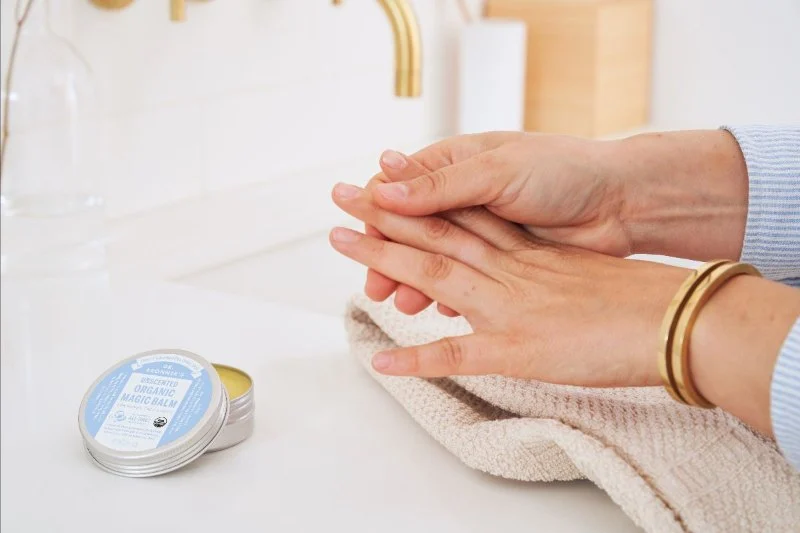
- understanding-eczema-skin-and-the-role-of-cleansers
- why-regular-cleansing-isnt-enough-for-eczema
- how-to-boost-your-skins-cleansers-for-eczema-skin
- real-story-sarahs-eczema-turnaround
- expert-backed-tips-for-long-term-eczema-skin-health
- find-tailored-skincare-with-skincare-experts
1. Understanding Eczema Skin and the Role of Cleansers
Living with eczema means managing more than just flare-ups—daily skincare decisions, like your choice of cleanser, matter immensely. Eczema-prone skin is naturally more reactive, often with a compromised skin barrier that struggles to retain moisture and defend against irritants.
Cleansers designed for "normal" skin can strip away essential lipids, causing itching, burning, and flare-ups. That’s why it’s important to not just choose the right cleanser but learn how to optimise it for your unique needs. Understanding how to boost your skin’s cleansers for eczema skin begins with recognising that less is often more—and smarter is always better.
2. Why Regular Cleansing Isn’t Enough for Eczema
Cleansing is more than just removing dirt—especially when your skin is already inflamed or flaky. Most standard cleansers are too harsh, containing sulfates, alcohol, or artificial fragrance. These can worsen eczema symptoms, leaving skin tight or stinging after use.
Additionally, frequent hand-washing—common during cold seasons or flu outbreaks—can exacerbate eczema, especially if water is too hot or products are not emollient-rich. Without proper enhancement, even the best marketed “gentle” cleansers might not be enough to truly support compromised skin.
This is where boosting your cleanser steps in—not by using more product, but by tailoring how and when you use it, and what you pair it with.
3. How to Boost Your Skin’s Cleansers for Eczema Skin
The key to improving cleansers for eczema-prone skin lies in enhancing their hydration-retaining, barrier-supporting effects while reducing friction and irritation. Here are strategies recommended by dermatologists and real eczema warriors:
Pre-Cleanse with Oil or Balm
Before applying your regular cleanser, use a fragrance-free cleansing balm or oil. This not only removes stubborn residue gently but adds a lipid layer to buffer the skin. Choose formulas with ceramides, jojoba oil, or oat kernel oil.
Mix Cleanser with Hydrating Serums
Try blending your eczema-friendly cleanser with a drop of hyaluronic acid serum or glycerin before use. This dilutes the formula slightly while adding moisturising power. Be sure the serum is alcohol- and fragrance-free.
Use Lukewarm (Never Hot) Water
Heat can strip the skin barrier and trigger flare-ups. Always cleanse with tepid water and gently pat dry—don’t rub.
Follow with Occlusive Moisturisers
Seal hydration immediately after cleansing using rich creams or ointments. Look for petrolatum, shea butter, or colloidal oatmeal. Within 60 seconds of cleansing is ideal for "moisture-lock".
Limit Cleansing Frequency
Unlike oily skin types, eczema-prone skin doesn’t benefit from frequent washing. Stick to once daily on the face, or as needed, and rinse with water only when appropriate to avoid over-cleansing.
To simplify your routine, SkinCare Experts offers dermatologist-recommended cleansers and boosters curated for sensitive and eczema-prone skin types.
4. Real Story: Sarah’s Eczema Turnaround
Sarah, a 29-year-old from Birmingham, had dealt with chronic facial eczema since her teenage years. She tried countless cleansers, some recommended by influencers, others prescribed, but nothing offered lasting relief.
After visiting a skin therapist and learning how to boost her cleanser with squalane oil and hydrating serum, she saw a difference within days. Her routine now includes a gentle oat-based cleanser, a few drops of niacinamide serum mixed in, and a thick moisturiser after every wash.
Sarah’s story is a perfect example of how small adjustments—rather than product overload—can transform skin health. Her experience is echoed by many in eczema communities across the UK.
5. Expert-Backed Tips for Long-Term Eczema Skin Health
Boosting your cleanser is just one part of the equation. Long-term eczema management also means paying attention to external and internal triggers, such as diet, stress, climate, and allergens. Here’s what skin professionals recommend:
- Patch test any new skincare before full use
- Use a humidifier during dry winter months
- Choose cotton over synthetic fabrics near affected areas
- Avoid fragranced laundry detergents and heavily perfumed products
- Work with a dermatologist for stubborn flare-ups
Sticking to a simplified, well-supported routine and being gentle with your skin—especially during cleansing—is essential for minimising inflammation and keeping eczema under control.
6. Find Tailored Skincare with SkinCare Experts
Eczema skin doesn’t respond well to one-size-fits-all skincare. The key is finding the right products and strategies tailored to your unique sensitivities. At SkinCare Experts, you’ll find a curated collection of eczema-friendly cleansers, barrier creams, and booster serums to help restore balance without causing flare-ups.
With expert advice and thoughtful recommendations, SkinCare Experts empowers people with eczema to stop dreading their daily cleanse—and start turning it into a moment of healing.





 ProSkin5.0 (20 reviews)
 Especially Aesthetic0.0 (0 reviews)
 Cameron Dermatology4.0 (572 reviews)
 LillyFace Premium Skin Care5.0 (1 reviews)
 Wake Up & Make Up By Ann Located in own building4.0 (13 reviews)
 Tampa Bay Laser Lipo4.0 (55 reviews)
 Daily Skin Care Routine for Dark Circles in People Living in Dry Climates
 How to Avoid Oily Skin in People with Sensitive Skin – Dermatologist Tips & Daily Skincare Guide
 How To Soothe Cleansers to Improve Inflamed Skin Naturally and Effectively
 How to Deal with Uneven Skin Tone Using Natural Remedies
 Daily Skin Care Routine For Dull Skin In People With Sensitive Skin
 How To Soothe Redness Using Natural Remedies