
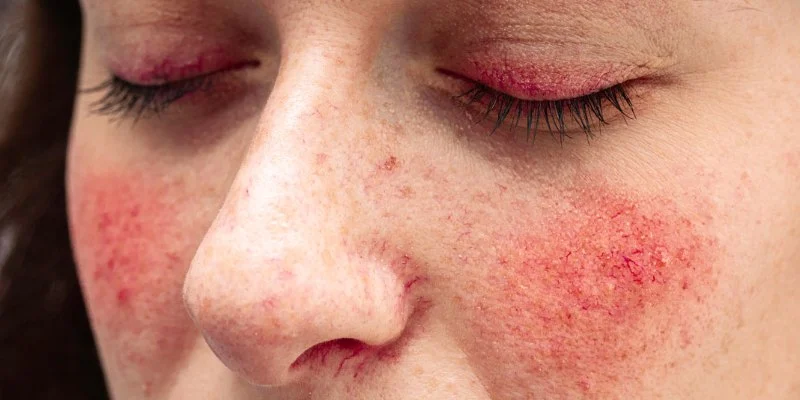
- Understanding Redness on Your Skin
- Tip #1: Soothing Skincare Products
- Tip #2: Hydration is Key
- Tip #3: Protecting Your Skin From the Sun
- Tip #4: Eating Skin-Friendly Foods
- Tip #5: Consulting a Skin Care Expert
Understanding Redness on Your Skin
Redness on the skin is a common issue that many people experience. It can occur due to various reasons, including skin irritation, allergies, sunburn, or underlying skin conditions such as rosacea or eczema. The key to treating redness effectively is identifying the cause of the irritation and applying the right treatments accordingly.
Whether it’s caused by a harsh skincare product, a sudden environmental change, or a more persistent condition, knowing how to heal and soothe redness is essential. In this article, we’ll go over five expert tips on how to heal skin redness and restore your skin to its natural, healthy state.
Tip #1: Soothing Skincare Products
When your skin is red and inflamed, it’s essential to use products that help calm and soothe the irritation. Look for skincare products that are specifically designed for sensitive skin, which often include ingredients known for their calming properties, such as:
1. Aloe Vera
Aloe vera is well-known for its soothing and healing properties. It’s an excellent option to cool down red, irritated skin. Aloe vera gels or creams can provide instant relief and reduce inflammation.
2. Chamomile
Chamomile is another soothing ingredient that can help reduce skin redness. Many skincare products contain chamomile extracts for their anti-inflammatory and calming effects.
3. Niacinamide
Niacinamide, also known as vitamin B3, has been shown to reduce redness and improve the skin’s barrier function. It’s a versatile ingredient found in many anti-inflammatory skincare products.
When applying these products, ensure that you’re using gentle, non-abrasive techniques to avoid further irritation.
Tip #2: Hydration is Key
Dehydration can exacerbate redness and irritation. Keeping your skin well-hydrated helps restore its natural barrier and improve its overall appearance. When your skin is adequately moisturized, it’s more resilient to environmental stressors that could cause redness.
Opt for a hydrating moisturizer with ingredients like hyaluronic acid or glycerin, which help to attract and retain moisture in the skin. Be sure to apply the moisturizer to damp skin to lock in hydration, and use it regularly to maintain skin health.
Tip #3: Protecting Your Skin From the Sun
Sun exposure is a common cause of skin redness, particularly sunburn. If your skin is already red, it’s crucial to protect it from further damage by avoiding direct sun exposure. Always apply a broad-spectrum sunscreen with SPF 30 or higher before heading outside, even on cloudy days.
Look for sunscreens that contain zinc oxide or titanium dioxide, as these provide physical barriers against UV rays and are generally gentler on sensitive skin. Additionally, consider wearing protective clothing, a wide-brimmed hat, and sunglasses to shield your skin from harmful sun exposure.
Tip #4: Eating Skin-Friendly Foods
What you eat can play a significant role in improving the health and appearance of your skin. Certain foods are known for their anti-inflammatory properties and can help reduce redness and promote healing. Incorporate these skin-friendly foods into your diet to support your skincare routine:
1. Omega-3 Rich Foods
Omega-3 fatty acids, found in foods like salmon, flaxseeds, and walnuts, have anti-inflammatory effects that can help reduce skin irritation. These foods help nourish your skin from the inside out.
2. Antioxidant-Rich Foods
Fruits and vegetables that are high in antioxidants, such as berries, spinach, and kale, can protect your skin from environmental stressors and help reduce inflammation. Antioxidants fight free radicals, which can worsen skin redness.
3. Probiotic-Rich Foods
Probiotics, found in foods like yogurt, kefir, and sauerkraut, help support gut health and may also have a positive effect on skin conditions like eczema, which can cause redness. Healthy digestion and a balanced microbiome can contribute to a healthier complexion.
Tip #5: Consulting a Skin Care Expert
If your redness persists or worsens despite your best efforts, it may be time to consult a skin care expert. A dermatologist or licensed esthetician can help identify the underlying cause of your redness and suggest a treatment plan tailored to your specific needs.
Conditions like rosacea, eczema, and other chronic skin issues may require professional treatment, such as prescription medication or targeted therapies. A professional can also guide you on how to choose the best products for your skin type, ensuring that you’re not exacerbating the problem.
If you're looking for expert advice on skincare or need the right products to soothe redness, visit [SkinCare Experts](https://www.skincareexperts.com). We offer a range of products and services designed to help you achieve clear, calm skin.




 GLO30 National Landing4.0 (218 reviews)
 Linda Lee Skin Care & Natural Nails5.0 (2 reviews)
 Carson Skin Rejuvenation5.0 (13 reviews)
 Charm's Aesthetics, LLC5.0 (5 reviews)
 Skin By Candace4.0 (13 reviews)
 Epiphany Dermatology4.0 (1746 reviews)
 How To Boost Your Skin's Sensitive Skin In People Living In Humid Climates
 How To Repair Scars In People Over 40
 How To Brighten Sun Damage Effectively
 Top Tips for Fine Lines in Women: How to Manage and Reduce Them
 How To Reduce Dull Skin With A Simple Routine | Skincare Tips for Radiance
 How To Use Inflamed Skin Treatments for People with Combination Skin