
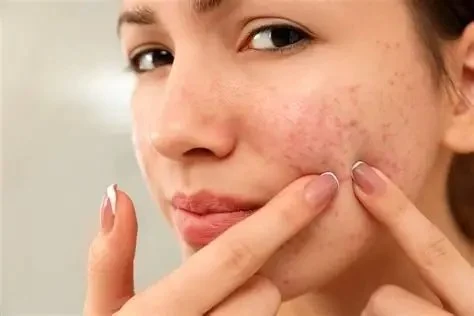
1. Understanding Skin Redness
Skin redness is a common skin concern that affects many individuals, often leading to discomfort or self-consciousness. Whether it’s caused by a temporary condition like sunburn or more persistent issues like rosacea, redness can occur for various reasons. The key to managing and preventing skin redness lies in understanding the root causes and adopting the right skincare practices.
In this article, we’ll discuss the most common causes of skin redness and provide actionable tips on how to prevent and manage it effectively. Whether you experience occasional flare-ups or chronic redness, these techniques can help keep your skin calm and even-toned.
2. Common Causes of Skin Redness
There are several reasons why your skin may become red or irritated. Identifying the underlying cause is essential for selecting the appropriate prevention method.
2.1 Environmental Factors
Environmental factors, such as extreme weather conditions (hot or cold) or sun exposure, are common triggers for skin redness. Wind, pollution, and even hot showers can irritate the skin, leading to redness and inflammation. Sunburn is another frequent cause of redness, especially if you neglect sun protection.
2.2 Skin Conditions
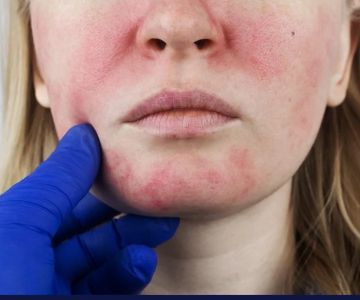
Chronic skin conditions like rosacea, eczema, or dermatitis can cause persistent redness. Rosacea, in particular, results in frequent redness on the face, often around the nose and cheeks. These conditions require ongoing care and specific treatments to reduce flare-ups.
2.3 Allergic Reactions
Allergic reactions to skincare products, cosmetics, or even food can lead to redness. If your skin reacts negatively to an ingredient, it may appear red, swollen, or inflamed. It’s important to test new products before applying them to your entire face.
3. How to Prevent Skin Redness Effectively
While some redness may be inevitable, there are several effective strategies you can use to minimize its occurrence. These tips will help you prevent flare-ups and maintain a calm complexion.
3.1 Use Sunscreen Daily
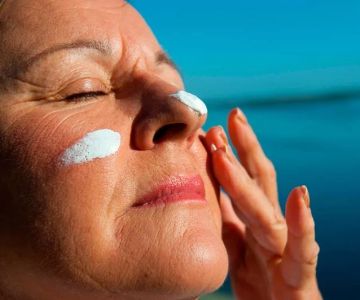
One of the most effective ways to prevent skin redness, especially from sunburn, is by using sunscreen. UV rays can trigger inflammation and cause your skin to become red and irritated. Choose a broad-spectrum sunscreen with an SPF of at least 30 and apply it generously every day, even during cloudy weather. Reapply throughout the day if you’re spending time outdoors.
3.2 Avoid Harsh Skincare Products
Certain skincare products, especially those with alcohol, fragrances, or strong exfoliants, can irritate the skin and lead to redness. Opt for gentle, fragrance-free products that are designed for sensitive skin. Look for ingredients like aloe vera, chamomile, and niacinamide, which are known to soothe and calm redness.
3.3 Moisturize Regularly
Keeping your skin well-moisturized is crucial for preventing redness caused by dryness and irritation. Use a hydrating moisturizer suited for your skin type to help maintain the skin's barrier function. This is especially important in colder months when the air can dry out your skin and make it more prone to irritation.
3.4 Be Mindful of Your Diet
What you eat can have an impact on your skin’s appearance. Spicy foods, alcohol, and hot drinks can trigger redness, especially for individuals with conditions like rosacea. Consider reducing these foods in your diet and incorporating anti-inflammatory foods, such as leafy greens, berries, and omega-3-rich foods like salmon, which can help reduce inflammation in the body and calm redness.
3.5 Manage Stress
Stress can also contribute to skin redness by triggering inflammatory responses in the body. To manage stress, consider incorporating relaxation techniques into your daily routine, such as deep breathing, meditation, or yoga. Regular exercise is also a great way to reduce stress and improve your overall skin health.
4. Treatments for Existing Redness
If you’re already experiencing redness, there are various treatments that can help calm the skin and reduce inflammation. These treatments can be used in conjunction with prevention strategies for more effective results.
4.1 Topical Creams and Serums
Topical treatments containing ingredients like hydrocortisone, niacinamide, or caffeine can help reduce redness by soothing the skin and reducing inflammation. Apply these products after cleansing and before moisturizing. Look for products specifically formulated to treat redness and sensitive skin.
4.2 Cool Compresses
If your skin is feeling hot and irritated, a cool compress can provide immediate relief. Simply soak a clean cloth in cool water and apply it to the affected area for a few minutes. This can help reduce the appearance of redness and provide a calming effect.
4.3 Consult a Dermatologist
If you have persistent or severe redness, especially from conditions like rosacea or eczema, it’s important to consult a dermatologist. They can provide personalized treatment options, such as prescription medications, laser treatments, or advanced skincare products that target the root causes of redness.
5. Final Thoughts on Preventing Redness
Preventing skin redness involves understanding the triggers, adopting healthy skincare habits, and using the right products for your skin type. By following these tips and taking proactive steps to care for your skin, you can reduce the occurrence of redness and enjoy a calm, even complexion.
If you’re looking for the best skincare products to help prevent and treat redness, visit SkinCare Experts for top-rated treatments and recommendations tailored to your skin’s needs.



 SKN by Karisa5.0 (7 reviews)
 Spa 281 (Ashmarie Esthetics)5.0 (7 reviews)
 Glam & Glow Spray Tan & Lashes By Melissa4.0 (16 reviews)
 Laperls Skincare5.0 (9 reviews)
 Robyn Blair Skincare5.0 (5 reviews)
 Paragon Skin5.0 (8 reviews)
 How to Choose the Right Skin Care for People Living in Humid Climates
 Best Practices for Dry Skin: Tips for Relief and Hydration
 How To Nourish Dry Skin Effectively
 How To Soothe Your Rosacea With These 15 Tips – Expert Skincare Guide
 How To Detoxify Physical Exfoliants For Large Pores Skin
 How To Prevent Dark Circles And How To Manage It