
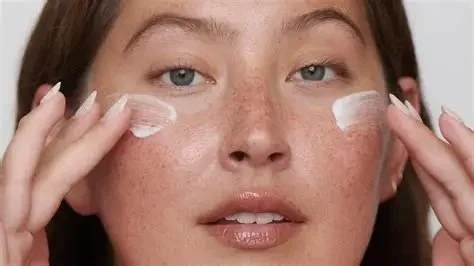
- 1-identify-your-rosacea-triggers
- 2-use-gentle-skin-care-products
- 3-keep-your-skincare-routine-simple-and-consistent
- 4-always-wear-mineral-based-sunscreen
- 5-cool-your-skin-naturally
- 6-try-calming-ingredients-like-niacinamide-and-aloe
- 7-balance-your-diet-to-reduce-inflammation
- 8-avoid-alcohol-and-spicy-foods-when-possible
- 9-explore-light-therapies-under-medical-guidance
- 10-manage-stress-proactively
- 11-hydrate-inside-and-out
- 12-protect-your-skin-from-temperature-extremes
- 13-patch-test-every-new-product
- 14-track-your-flare-ups-in-a-journal
- 15-consult-experts-who-specialize-in-rosacea-care
1. Identify Your Rosacea Triggers
No two rosacea cases are exactly alike. What causes one person to flush may not affect another. Common triggers include sun exposure, hot drinks, spicy foods, emotional stress, and even certain skincare ingredients. Keep a symptom journal and note when flare-ups occur—it’s often the key to unlocking what’s really irritating your skin.
2. Use Gentle Skin Care Products
Avoid anything that contains alcohol, menthol, fragrance, or witch hazel. These ingredients may feel refreshing initially, but they can damage your skin barrier and worsen redness. Look for products labeled "for sensitive skin" or "rosacea-safe." Foam cleansers, micellar water, and cream-based moisturizers are generally better tolerated than gels or harsh scrubs.
3. Keep Your Skincare Routine Simple and Consistent
Rosacea-prone skin often does better with less. A basic morning and evening routine—gentle cleanser, calming moisturizer, and mineral SPF—can go a long way. Constantly trying new products or layering too many treatments can confuse and overwhelm your skin. Think “less is more.”
4. Always Wear Mineral-Based Sunscreen
Sun exposure is one of the most well-documented rosacea triggers. Use a physical (mineral) sunscreen with zinc oxide or titanium dioxide every single day, even in winter. Unlike chemical sunscreens, mineral formulas sit on the skin’s surface and are less likely to irritate reactive skin types.
5. Cool Your Skin Naturally
Flushing and heat are major concerns with rosacea. After a flare-up or workout, apply a cool (not cold) compress or mist your face with thermal spring water to reduce inflammation. Avoid ice packs or overly cold treatments, which can shock already-sensitive skin.
6. Try Calming Ingredients Like Niacinamide and Aloe
Niacinamide (vitamin B3) has been clinically shown to strengthen the skin barrier and reduce redness. Aloe vera gel is another soothing agent—just make sure it’s pure and fragrance-free. Both ingredients can be integrated into your routine without being overly aggressive.
7. Balance Your Diet to Reduce Inflammation
What you put on your skin matters—but what you eat matters, too. Anti-inflammatory diets rich in leafy greens, berries, omega-3 fatty acids (from flax or fish), and whole grains can help support calmer skin. Avoid processed foods high in sugar and trans fats, which can trigger systemic inflammation.
8. Avoid Alcohol and Spicy Foods When Possible
While not everyone’s skin reacts the same, alcohol—especially red wine—and spicy foods are two of the most frequently cited rosacea triggers. Consider cutting back during flare-prone periods or tracking your reactions to specific items. Some people find they can tolerate small amounts occasionally, while others must cut them entirely.
9. Explore Light Therapies Under Medical Guidance
For persistent redness or visible blood vessels, Intense Pulsed Light (IPL) and laser treatments may help. These therapies target broken capillaries and inflammation but should always be done by experienced dermatologists. While not a daily tip, they can be part of a broader treatment plan—especially for those with moderate to severe symptoms.
10. Manage Stress Proactively
Stress doesn’t just affect your mind—it shows on your skin. Stress-induced flare-ups are real. Techniques like deep breathing, yoga, mindfulness meditation, or even short daily walks can help regulate cortisol and calm inflammation. Don’t underestimate the power of emotional wellness when it comes to rosacea control.
11. Hydrate Inside and Out
Dry, dehydrated skin is more prone to irritation. Drink plenty of water throughout the day, and seal in moisture topically with a gentle, non-comedogenic moisturizer. Ingredients like ceramides, hyaluronic acid, and squalane are ideal for locking in hydration without causing redness.
12. Protect Your Skin from Temperature Extremes
Sudden shifts between hot and cold—such as stepping from a heated home into frigid winter air—can trigger flushing. Dress in layers, use scarves to shield your face, and try to avoid long exposure to hot showers, saunas, or steam rooms. A more stable skin environment often means fewer breakouts.
13. Patch Test Every New Product
Before slathering a new cream across your cheeks, do a patch test behind your ear or along your jawline. Give it 48–72 hours to rule out irritation. Rosacea-prone skin can react unexpectedly, even to products labeled as "hypoallergenic."
14. Track Your Flare-Ups in a Journal
Keep a journal to log what you ate, your skincare routine, your stress levels, weather, and exposure to sun or wind. Over time, patterns may emerge that help you proactively avoid triggers. Many rosacea sufferers say this one habit gave them the most insight and control over their condition.
15. Consult Experts Who Specialize in Rosacea Care
When over-the-counter fixes aren’t cutting it, don’t guess—consult professionals. At SkinCare Experts, we connect you with dermatologists, estheticians, and curated product recommendations designed specifically for rosacea-prone skin. Whether you need an entirely new routine or a second opinion, we’re here to guide you toward calmer, healthier skin.




 ProSkin5.0 (20 reviews)
 Especially Aesthetic0.0 (0 reviews)
 Cameron Dermatology4.0 (572 reviews)
 LillyFace Premium Skin Care5.0 (1 reviews)
 Wake Up & Make Up By Ann Located in own building4.0 (13 reviews)
 Tampa Bay Laser Lipo4.0 (55 reviews)
 Daily Skin Care Routine for Dark Circles in People Living in Dry Climates
 How to Avoid Oily Skin in People with Sensitive Skin – Dermatologist Tips & Daily Skincare Guide
 How To Soothe Cleansers to Improve Inflamed Skin Naturally and Effectively
 How to Deal with Uneven Skin Tone Using Natural Remedies
 Daily Skin Care Routine For Dull Skin In People With Sensitive Skin
 How To Soothe Redness Using Natural Remedies