

- 1. What is Retinol and Its Benefits?
- 2. How Retinol Helps Reduce Wrinkles
- 3. Boosting Collagen Production with Retinol
- 4. How to Use Retinol for Best Results
- 5. Possible Side Effects of Retinol
- 6. Recommendations for Retinol Products
1. What is Retinol and Its Benefits?
Retinol, a form of Vitamin A, is one of the most popular ingredients in skincare products, known for its powerful anti-aging properties. As a topical treatment, retinol promotes cell turnover, helping to shed dead skin cells and encourage the production of new, healthy skin. This results in smoother, firmer skin and can significantly reduce the appearance of fine lines, wrinkles, and other signs of aging.
Beyond its anti-aging benefits, retinol is also celebrated for its ability to clear acne, improve skin texture, and even out skin tone. It is widely used in both prescription and over-the-counter skincare products, making it a versatile addition to your skincare routine.
2. How Retinol Helps Reduce Wrinkles
Wrinkles and fine lines are a natural part of aging, but retinol can help minimize their appearance by stimulating collagen production in the skin. Collagen is a protein that provides structure and elasticity to the skin, and as we age, collagen production decreases, leading to sagging and wrinkles.
Retinol helps to reverse some of this damage by increasing cell turnover and collagen production. Over time, the skin becomes more resilient and youthful-looking, as the fresh, healthy skin cells take the place of the older, damaged ones. Retinol also smooths out rough texture and promotes even skin tone, making it a powerful anti-aging tool.
3. Boosting Collagen Production with Retinol
One of the primary benefits of retinol is its ability to boost collagen production. Collagen is crucial for maintaining skin's firmness and elasticity. As we age, the natural collagen in our skin starts to break down, contributing to the formation of wrinkles and fine lines. Retinol works by increasing the rate of collagen synthesis in the dermis, the layer of skin responsible for its structural integrity.
By stimulating collagen production, retinol helps to restore firmness and elasticity, leading to smoother and more youthful-looking skin. Consistent use of retinol-based products can help maintain the skin’s firmness, making it an essential part of any anti-aging skincare regimen.
4. How to Use Retinol for Best Results
To achieve the best results with retinol, it's essential to follow a few simple steps:
- Start slowly: If you’re new to retinol, start by applying it every other night to allow your skin to build tolerance. Gradually increase the frequency as your skin adjusts.
- Apply at night: Retinol can increase skin’s sensitivity to sunlight, so it’s best used in your nighttime skincare routine.
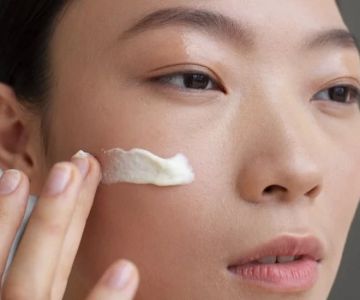
- Use a pea-sized amount: A little goes a long way with retinol, so start with a small amount, and avoid applying it near your eyes or lips.
- Follow up with moisturizer: Since retinol can be drying, use a hydrating moisturizer to lock in moisture and protect your skin.
- Wear sunscreen: Because retinol can make your skin more sensitive to UV rays, it’s essential to wear sunscreen daily, even when indoors.
5. Possible Side Effects of Retinol
While retinol is an effective ingredient for reducing wrinkles and boosting collagen, it can cause some initial side effects, especially if you’re new to using it. Some people experience:
- Skin irritation: Redness, dryness, and peeling are common when first using retinol. These side effects usually subside as your skin builds tolerance.
- Sun sensitivity: Retinol makes your skin more sensitive to the sun, so always wear sunscreen during the day.
- Dryness: Retinol can cause your skin to become dry or flaky, particularly if you overuse it.
To minimize these effects, start with a lower concentration of retinol and gradually increase the strength as your skin adapts. If irritation persists, consider using the product less frequently or opting for a gentler form of Vitamin A, like retinaldehyde.
6. Recommendations for Retinol Products
Choosing the right retinol product can make all the difference in achieving your skincare goals. There are many different types of retinol formulations available, ranging from creams to serums. Here are a few tips for choosing the best product for your needs:
- Look for stable formulas: Retinol can break down when exposed to light and air, so choose products in opaque, airtight containers to maintain their potency.
- Consider your skin type: If you have sensitive skin, start with a lower concentration of retinol (around 0.25% or 0.5%) and choose a gentle, hydrating formula.
- Opt for products with added ingredients: Some retinol products include soothing ingredients like hyaluronic acid or peptides to counteract dryness and irritation.
If you're looking for high-quality retinol products, visit SkinCare Experts to find the best skincare options tailored to your skin type and needs. Whether you're a beginner or a retinol pro, we have products that can help you achieve youthful, glowing skin.



 Jasmine Skin Care and Lash Studio5.0 (22 reviews)
 CLAIREity wax|skin bar5.0 (8 reviews)
 Vanguard Skin Specialists4.0 (215 reviews)
 Zen Esthetics5.0 (62 reviews)
 Beauty Innovations4.0 (261 reviews)
 Tina Marie - Esthetician5.0 (3 reviews)
 How to Protect Your Skin from Blue Light Exposure with Simple Tips
 How to Create the Best Skin Care Routine for Acne-Prone Skin
 Skin Care Tips for Fine Lines in People with Combination Skin | SkinCare Experts
 Skin Care Tips for Your Age Spots With These 7 Tips – Expert Solutions
 Benefits of Using Blackhead Treatments Effectively for Clear Skin
 Best Practices for Using Hyaluronic Acid to Improve Blackheads