
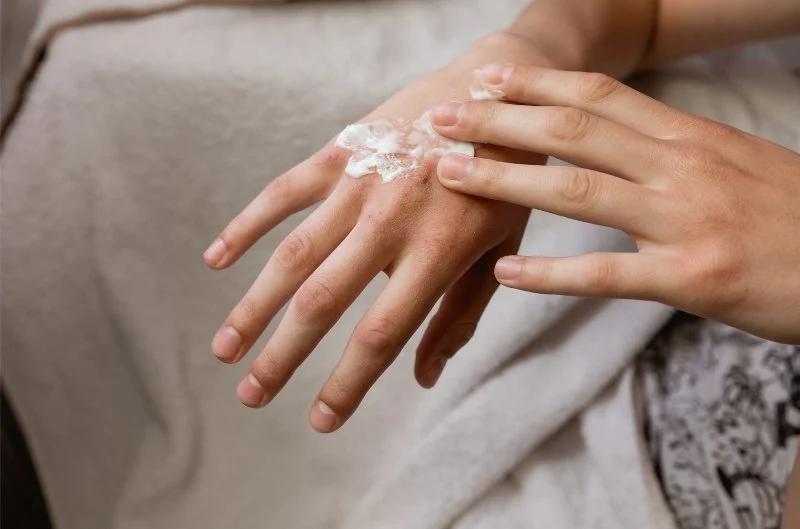
- Understanding Eczema
- Causes of Eczema
- Steps to Treat Eczema with a Simple Routine
- Best Products for Eczema Treatment
- When to See a Doctor for Eczema
1. Understanding Eczema
Eczema, also known as atopic dermatitis, is a common skin condition that causes inflammation, redness, and itching. It can affect anyone, but it is especially common in children and people with sensitive skin. Managing eczema effectively requires a consistent and gentle skincare routine that focuses on soothing irritated skin and preventing flare-ups.
Although there is no cure for eczema, the right treatment can help control symptoms and reduce the frequency of outbreaks. By maintaining a daily skincare routine and using the proper products, you can improve the health of your skin and live comfortably with eczema.
2. Causes of Eczema
Eczema can be triggered by a variety of factors, including genetics, environmental factors, and immune system responses. Some common causes of eczema include:
2.1 Genetics
Many people with eczema have a family history of the condition or other allergic conditions, such as asthma or hay fever. Genetics play a significant role in determining who may develop eczema.
2.2 Environmental Triggers
Environmental factors such as dry air, pollutants, and allergens (like pollen or dust mites) can trigger eczema flare-ups. Certain fabrics like wool and synthetic materials may also irritate the skin.
2.3 Immune System Dysfunction
Eczema is often associated with an overactive immune response, where the immune system reacts excessively to environmental triggers, leading to skin inflammation and irritation.
3. Steps to Treat Eczema with a Simple Routine
If you're dealing with eczema, a simple yet effective routine can help manage symptoms. Here are the key steps to follow:
3.1 Cleanse Gently
It's essential to cleanse your skin without causing further irritation. Use a mild, soap-free cleanser that is specifically formulated for sensitive skin. Avoid hot water as it can strip the skin of its natural oils, leading to dryness and worsening eczema. Opt for lukewarm water and keep your shower short to prevent drying out your skin.
3.2 Moisturize Regularly
Moisturizing is one of the most critical steps in treating eczema. Apply a rich, fragrance-free moisturizer immediately after bathing while your skin is still damp. This helps lock in moisture and prevents your skin from becoming too dry. Look for moisturizers with ingredients like ceramides, hyaluronic acid, or glycerin, which help to repair the skin barrier.
3.3 Use Anti-Inflammatory Treatments
Over-the-counter hydrocortisone creams or topical steroids can help reduce inflammation and itching associated with eczema. For more severe flare-ups, a doctor may prescribe stronger topical medications or non-steroidal treatments. Always follow your healthcare provider’s instructions when using these treatments to avoid side effects.
3.4 Avoid Scratching
Scratching can worsen eczema by further irritating the skin, increasing the risk of infection. To help control the urge to scratch, keep your skin moisturized, and try using cold compresses on affected areas. Wearing soft cotton gloves at night can also help reduce scratching during sleep.
3.5 Manage Stress
Stress can trigger or worsen eczema flare-ups. It's important to manage stress through relaxation techniques such as deep breathing, meditation, or yoga. Regular physical activity can also help improve overall well-being and reduce stress levels.
4. Best Products for Eczema Treatment
When managing eczema, the right products are crucial for soothing irritated skin and preventing flare-ups. Here are some product recommendations that are effective for sensitive skin prone to eczema:
4.1 Fragrance-Free Moisturizers
Choose fragrance-free moisturizers specifically designed for eczema-prone skin. Look for products that contain colloidal oatmeal, ceramides, or shea butter, as they provide hydration and support the skin's natural barrier.
4.2 Gentle Cleansers
Opt for gentle, non-soap-based cleansers that do not strip the skin of moisture. Products that are free from sulfates and artificial fragrances are ideal for sensitive skin and can help prevent irritation.
4.3 Topical Steroids
For more severe eczema flare-ups, topical steroids can provide relief. Look for mild, over-the-counter hydrocortisone creams, or consult a doctor for prescription-strength options.
4.4 Emollient Oils
Emollient oils, such as those containing jojoba or sunflower seed oil, can help hydrate and soothe dry, flaky eczema skin. Applying these oils after bathing can lock in moisture and prevent further dryness.
5. When to See a Doctor for Eczema
While a simple routine can help manage eczema, it's important to consult a healthcare provider in the following situations:
5.1 Persistent or Severe Flare-Ups
If your eczema persists or worsens despite following a skincare routine, it may be time to see a doctor. Severe flare-ups may require stronger prescription treatments to manage symptoms effectively.
5.2 Signs of Infection
If you notice signs of infection, such as increased redness, warmth, or pus, seek medical attention immediately. Eczema-prone skin is more susceptible to infections, and early treatment is essential.
By following a simple and consistent skincare routine, you can manage your eczema and reduce flare-ups. If you’re looking for the best products to support your eczema care, visit SkinCare Experts for expert recommendations on effective treatments and skincare solutions.



 GLO30 National Landing4.0 (218 reviews)
 Linda Lee Skin Care & Natural Nails5.0 (2 reviews)
 Carson Skin Rejuvenation5.0 (13 reviews)
 Charm's Aesthetics, LLC5.0 (5 reviews)
 Skin By Candace4.0 (13 reviews)
 Epiphany Dermatology4.0 (1746 reviews)
 How To Boost Your Skin's Sensitive Skin In People Living In Humid Climates
 How To Repair Scars In People Over 40
 How To Brighten Sun Damage Effectively
 Top Tips for Fine Lines in Women: How to Manage and Reduce Them
 How To Reduce Dull Skin With A Simple Routine | Skincare Tips for Radiance
 How To Use Inflamed Skin Treatments for People with Combination Skin