

1. The Impact of Chlorine on Your Skin
Swimming in chlorine-treated pools is a great way to cool off and exercise, but it can have a detrimental effect on your skin. Chlorine is a strong chemical used to disinfect pools, but it can also strip your skin of its natural oils, leading to dryness, irritation, and even premature aging. After a refreshing swim, it’s essential to follow proper skin care steps to protect and restore your skin’s health.
2. Why Skin Care After Swimming in Chlorine Matters
Chlorine can create an imbalance in the skin's natural barrier, which leads to dryness and potential irritation. If left unaddressed, this can cause discomfort, rashes, or even exacerbate conditions like eczema. Proper care helps replenish moisture, soothe irritation, and protect the skin from long-term damage caused by chlorine exposure.
2.1. How Chlorine Affects Your Skin
Chlorine works by breaking down the oils in your skin to kill bacteria, which is why you often feel drier and tighter after a swim. This removal of natural oils makes your skin more susceptible to dehydration, cracking, and increased sensitivity. Additionally, the harsh chemicals can weaken your skin’s protective barrier, leaving it vulnerable to external irritants.
2.2. The Long-Term Effects of Chlorine Exposure
If not properly addressed, regular exposure to chlorine can lead to more severe skin issues, such as premature aging, increased fine lines, and a lack of elasticity. It’s important to take the necessary steps after swimming to prevent these long-term effects.
3. Steps to Care for Your Skin After Swimming in Chlorine
To protect and restore your skin after a swim, follow these essential steps:
3.1. Rinse Off Immediately
After swimming, it's crucial to rinse off the chlorine as soon as possible. Use fresh water to wash your skin thoroughly and remove any chlorine residue. The longer chlorine sits on your skin, the more damaging it can be. Rinsing immediately helps minimize its effects.
3.2. Use a Gentle, Hydrating Cleanser
Opt for a gentle, hydrating body wash or cleanser to remove chlorine without further drying out your skin. Avoid harsh soaps that can strip your skin of moisture. Look for products that are formulated with moisturizing ingredients like aloe vera, glycerin, or hyaluronic acid, which help to hydrate and soothe the skin.
3.3. Apply a Moisturizer
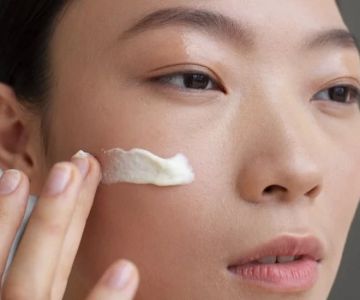
After cleansing, it's important to apply a rich moisturizer to lock in hydration and restore your skin’s natural barrier. Choose a product that contains nourishing ingredients like shea butter, ceramides, or natural oils like jojoba or coconut oil. These ingredients help replenish lost moisture and prevent dryness.
3.4. Consider Using a Hydrating Face Mask
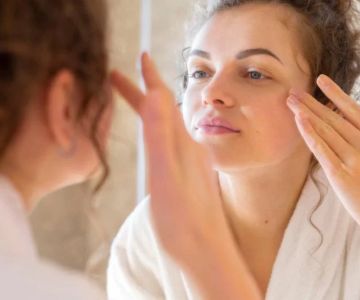
For your face, a hydrating mask can help further restore moisture and soothe any irritation caused by chlorine. Look for masks that contain ingredients like honey, aloe vera, or cucumber, which have calming and moisturizing properties.
3.5. Don't Forget Sunscreen
Even after swimming in a pool, your skin can remain sensitive to the sun. Chlorine can make your skin more vulnerable to sunburn, so it’s essential to apply sunscreen with broad-spectrum protection. Choose a sunscreen that is gentle on the skin and provides long-lasting protection, especially if you plan to be outside for extended periods.
4. Real-Life Case Study: Restoring Skin After a Chlorine-Heavy Swim
Consider the experience of Emily, an avid swimmer who enjoys spending hours in the pool. After each swim, Emily noticed that her skin felt excessively dry, tight, and sometimes irritated. To combat this, she began following a proper post-swim skincare routine. By immediately rinsing off the chlorine, using a hydrating cleanser, and applying a rich moisturizer, she was able to restore moisture and prevent irritation. Over time, Emily’s skin became smoother, and she noticed fewer signs of dryness and redness after swimming.
5. Additional Tips for Protecting Your Skin from Chlorine
In addition to post-swim care, there are a few additional steps you can take to minimize the impact of chlorine on your skin:
5.1. Wear a Swim Cap
Wearing a swim cap can help protect your hair and skin from chlorine exposure. Although it may not completely eliminate the risk of chlorine damage, it can significantly reduce the amount that comes in contact with your skin and hair.
5.2. Shower Before Swimming
Before entering the pool, take a quick shower to wet your skin and hair with fresh water. This can help reduce the amount of chlorine your skin absorbs, as it prevents your skin from soaking up as much chlorinated water.
5.3. Use a Barrier Cream
For those with sensitive skin, using a barrier cream or lotion before swimming can create a protective layer that reduces chlorine absorption. This can be especially helpful for individuals with eczema or other skin conditions that are aggravated by chlorine exposure.
6. Why Choose SkinCare Experts for Your Post-Swim Skincare Needs?
If you're looking for high-quality skin care products to help restore your skin after swimming in chlorine, visit SkinCare Experts. Our selection of gentle, hydrating cleansers, moisturizers, and other skin care essentials are designed to nourish and protect your skin after a swim. Whether you're a casual swimmer or a daily pool enthusiast, our products can help keep your skin smooth, hydrated, and healthy.




 Choose joy! Skin LLC5.0 (1 reviews)
 Alliance Dermatology Associates4.0 (47 reviews)
 The Skinstitute of San Diego (Scar + Stretch Mark Clinic)5.0 (32 reviews)
 Genesys Laser Skin Clinic4.0 (308 reviews)
 Derma Lab5.0 (69 reviews)
 Linda Pele Esthetics5.0 (26 reviews)
 The Best Skincare Products to Use for Healthy, Glowing Skin
 How to Repair Skin Damage from Pollution with Skin Care Products
 Natural Remedies for Toners for Inflamed Skin
 Best Hyaluronic Acid Practices for Blackhead Prevention | Effective Skincare Tips
 How to Protect Your Teeth During Sports Activities – Essential Tips for Athletes
 Tips for Sensitive Skin with Whiteheads: Effective Solutions for Clearer Skin