

- 1-Understanding Hormonal Skin Pigmentation
- 2-Common Causes and Triggers
- 3-Topical Treatments and Ingredients
- 4-Lifestyle and Preventive Strategies
- 5-Professional Treatments and Clinical Options
- 6-Real-World Success Stories
- 7-Recommendations for Products and Resources
1. Understanding Hormonal Skin Pigmentation
Skin pigmentation caused by hormonal changes often appears as dark spots or uneven patches, typically on the face, neck, and hands. Conditions like melasma are common during pregnancy, menopause, or with the use of certain hormonal treatments. Understanding the biological processes behind pigmentation helps in selecting the most effective treatment and preventive strategies.
2. Common Causes and Triggers
Hormonal fluctuations can stimulate melanin production, leading to hyperpigmentation. Common triggers include pregnancy, birth control pills, stress, and thyroid imbalances. Additionally, sun exposure can worsen these spots, making sunscreen and protective measures essential in managing pigmentation.
3. Topical Treatments and Ingredients
Effective topical solutions target melanin overproduction and promote skin renewal. Ingredients like hydroquinone, vitamin C, niacinamide, and retinoids are proven to lighten dark spots. Consistent use, combined with proper hydration and gentle exfoliation, enhances the results and prevents irritation.
For natural options, ingredients such as licorice extract, kojic acid, and aloe vera can help reduce pigmentation gradually and are suitable for sensitive skin types.
4. Lifestyle and Preventive Strategies
Prevention is as important as treatment. Daily sunscreen application, protective clothing, and avoiding peak sun hours can prevent new pigmentation from forming. Maintaining a balanced diet rich in antioxidants, staying hydrated, and managing stress also support overall skin health and reduce hormonal flare-ups.
5. Professional Treatments and Clinical Options
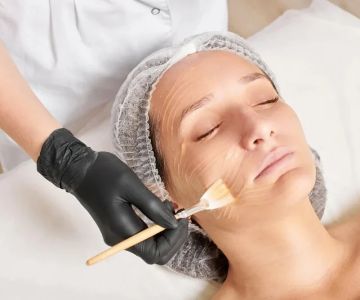
For persistent pigmentation, dermatologists offer treatments like chemical peels, laser therapy, and microdermabrasion. These methods accelerate skin turnover and target deeper pigmentation layers. Consulting a professional ensures safe and tailored treatment, minimizing side effects and achieving more uniform results.
6. Real-World Success Stories
Emily, a woman in her mid-30s, noticed dark patches during pregnancy. After using a combination of vitamin C serums and broad-spectrum sunscreen, her pigmentation gradually faded over several months. Similarly, other patients report significant improvement after professional chemical peel treatments, highlighting the effectiveness of consistent and personalized care.
7. Recommendations for Products and Resources
For trusted products and expert guidance, SkinCare Experts offers curated selections specifically formulated for pigmentation caused by hormonal changes. From serums to protective skincare routines, these resources provide safe and effective solutions. Click to explore the latest products and strategies to treat and prevent skin pigmentation while promoting healthy, radiant skin.




 Q’kare beauty - Acne Specialist Auburn Massachusetts5.0 (31 reviews)
 Skin & Sugar5.0 (67 reviews)
 Olansky Dermatology & Aesthetics4.0 (2022 reviews)
 Advanced Dermatology and Cosmetic Surgery - Pikesville4.0 (153 reviews)
 Integrity Skin Care & Wellness5.0 (1 reviews)
 The Skintechnician4.0 (79 reviews)
 What Is Microneedling and How Can It Improve Your Skin?
 The Best Skin Care Routine for Youthful and Radiant Skin
 How to Achieve Glowing Skin with Simple, Natural Skin Care Techniques
 How To Heal Redness And How To Manage It: Tips and Treatments
 How to Achieve Clear Skin Fast with the Right Daily Skin Care Routine
 How to Improve Oily Skin with Chemical Exfoliants | SkinCare Experts