
- 1 - Understanding Skin Peeling
- 2 - Common Causes of Skin Peeling
- 3 - Effective Treatment Options
- 4 - Preventive Skincare Strategies
- 5 - Expert Recommendations and Resources
1. Understanding Skin Peeling
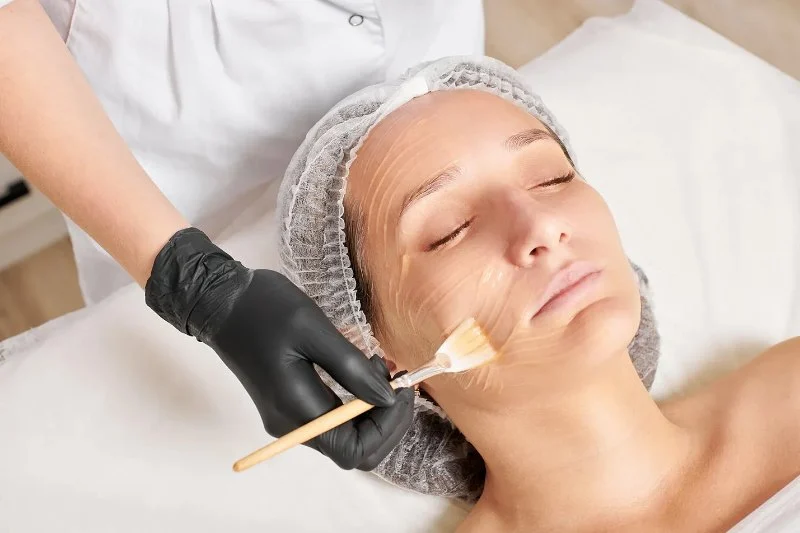
Skin peeling occurs when the outer layer of skin, the epidermis, begins to shed. While mild peeling is often a natural renewal process, excessive peeling can indicate underlying issues such as dryness, sun damage, or skin conditions.
Recognising the type and severity of peeling is essential for selecting the right skincare solutions. Proper care prevents irritation and promotes smooth, healthy skin.
2. Common Causes of Skin Peeling
2.1 Environmental Factors
Exposure to harsh weather, low humidity, or strong sun can strip the skin of moisture, leading to peeling. Winters, in particular, can exacerbate dryness.
2.2 Skin Conditions
Conditions like eczema, psoriasis, and dermatitis can accelerate skin shedding. Proper diagnosis is crucial for tailored treatment.
2.3 Cosmetic and Chemical Irritants
Overuse of exfoliants, retinoids, or harsh cleansers can damage the skin barrier. Knowing which products are safe for your skin type prevents unnecessary peeling and irritation.
3. Effective Treatment Options
3.1 Moisturizers and Emollients
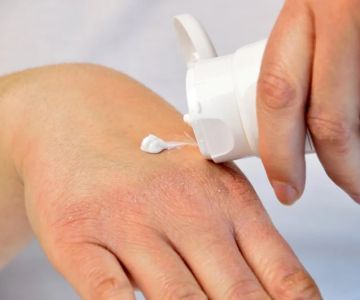
Rich moisturizers and occlusive emollients restore hydration and strengthen the skin barrier. Ingredients like hyaluronic acid, ceramides, and shea butter are particularly effective.
3.2 Gentle Cleansing
Using mild, pH-balanced cleansers reduces irritation. Avoid hot water and abrasive scrubs, which can exacerbate peeling.
3.3 Targeted Therapeutic Products
Topical treatments containing mild steroids or barrier-repair formulations may be recommended by dermatologists for severe cases. For instance, one user reported significant improvement in facial peeling within two weeks of using a ceramide-rich serum recommended by SkinCare Experts.
4. Preventive Skincare Strategies
4.1 Sun Protection
Daily use of sunscreen prevents UV damage and reduces peeling caused by sunburn. Broad-spectrum SPF 30 or higher is recommended.
4.2 Consistent Hydration
Maintaining internal and external hydration ensures the skin remains supple. Drinking sufficient water and applying moisturizers regularly help prevent peeling.
4.3 Balanced Skincare Routine
Adopting a gentle, consistent routine with suitable cleansers, exfoliants, and moisturizers protects the skin barrier. Avoid switching products frequently to reduce sensitivity.
5. Expert Recommendations and Resources
5.1 Consult Professionals
Dermatologists and skincare experts advise assessing peeling severity before self-treatment. Professional guidance ensures effective care without worsening skin issues.
5.2 Recommended Products
For high-quality, dermatologist-approved skincare solutions, platforms like SkinCare Experts provide products specifically formulated to treat and prevent skin peeling, including moisturizers, serums, and barrier-repair creams.
5.3 Real-Life Insights
One user shared that switching to a gentle, ceramide-focused skincare routine reduced persistent peeling within a month. Following professional advice and using suitable products is key to long-term skin health.
By understanding causes, applying effective treatments, and following preventive strategies, you can manage and prevent skin peeling effectively. Explore SkinCare Experts to find the best solutions tailored to your skin type.


 Esthetics by Kala0.0 (0 reviews)
 Celebrity Skin Spa5.0 (2 reviews)
 Soft Esthetics5.0 (17 reviews)
 Skin Art by Ally4.0 (26 reviews)
 Vanity Compound Medical Aesthetics4.0 (45 reviews)
 The Oklahoma Skincare Society5.0 (17 reviews)
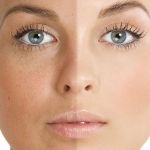 The Best Skin Care Treatments for Dull and Uneven Skin Tone
 Best Practices for Wrinkles for Women: Effective Anti-Aging Tips
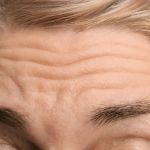 How To Avoid Wrinkles In People Living In Humid Climates
 How To Balance Toners For Dry Skin: A Complete Guide
 How to Manage Your Sensitive Skin with These 7 Tips
 The Science Behind Eczema for Teens