
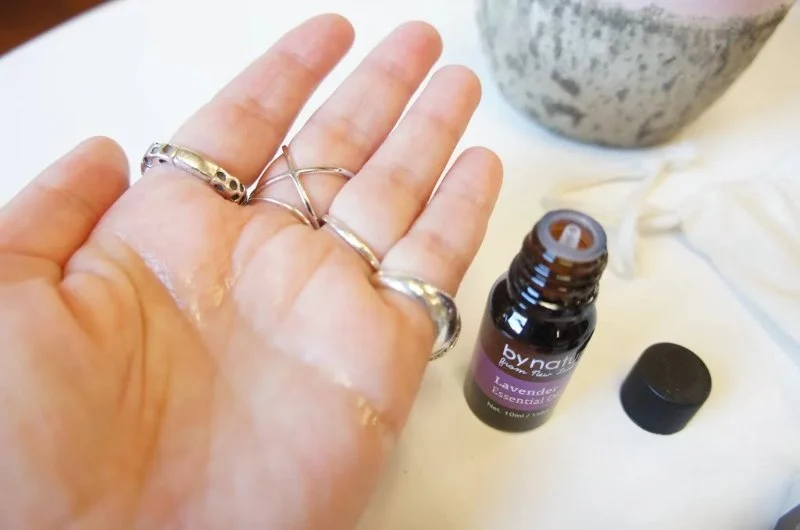
- 1 - Understanding Essential Oils – Benefits for Skin and Mind
- 2 - Popular Essential Oils for Skin Healing – Properties and Uses
- 3 - Methods of Application – Safe and Effective Techniques
- 4 - Creating Blends for Relaxation and Healing
- 5 - Case Studies and Successful Uses – Real-Life Examples
- 6 - Tips for Integrating Into Daily Routine – Maximizing Benefits
1. Understanding Essential Oils – Benefits for Skin and Mind
Essential oils are concentrated plant extracts known for their therapeutic properties. They support skin healing by reducing inflammation, promoting cell regeneration, and enhancing moisture retention. Additionally, their aromatic qualities provide relaxation and stress relief, improving overall wellness.
Understanding the benefits of specific oils helps you select the most appropriate ones for individual skin concerns and relaxation goals.
2. Popular Essential Oils for Skin Healing – Properties and Uses
Several essential oils are widely used for skin health:
- Lavender: Calms irritation, promotes healing of minor burns and acne
- Tea Tree: Anti-bacterial and anti-inflammatory properties for blemishes
- Rosehip: Rich in vitamins, supports skin regeneration and elasticity
- Chamomile: Reduces redness and soothes sensitive skin
These oils can be used individually or combined to address specific skin concerns effectively.
3. Methods of Application – Safe and Effective Techniques
Proper application is essential to maximize benefits while preventing irritation. Common techniques include:
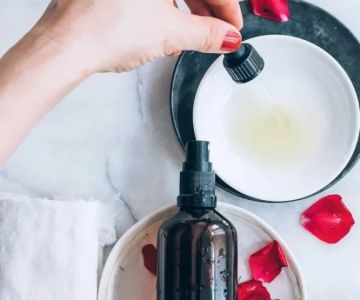
- Dilution with carrier oils (like jojoba or coconut oil) to prevent skin sensitivity
- Topical massage for targeted skin areas
- Facial steam or warm compress infused with essential oils
- Aromatherapy diffusers for general relaxation
Following proper methods ensures safe, effective, and pleasant experiences with essential oils.
4. Creating Blends for Relaxation and Healing
Blending oils enhances their efficacy and aroma. For example, combining lavender with chamomile creates a soothing, skin-healing mix suitable for sensitive areas. Tea tree with rosehip can address acne-prone skin while supporting tissue repair.
Experimenting with small quantities and monitoring results ensures optimal outcomes without adverse reactions.
5. Case Studies and Successful Uses – Real-Life Examples
Many users report noticeable improvements in skin texture and relaxation when incorporating essential oils. One individual in California used a lavender and rosehip blend for dry, irritated skin, achieving smoother, hydrated results within a few weeks. Another user found that diffusing chamomile oil after stressful days reduced tension and improved sleep quality.
These examples demonstrate how targeted essential oil use can provide both skin and mental benefits when practiced consistently.
6. Tips for Integrating Into Daily Routine – Maximizing Benefits
Incorporate essential oils into your skincare regimen gradually. Start with short sessions or small areas of skin, track results, and adjust concentrations as needed. Using products and guidance from SkinCare Experts ensures high-quality oils and safe usage practices.
Consistent application, combined with proper skin care and lifestyle habits, amplifies both healing and relaxation effects, making essential oils a valuable addition to daily routines.
 Jillian Wright Facials5.0 (37 reviews)
 FM Beauty Co.5.0 (14 reviews)
 Love Your Skin5.0 (13 reviews)
 Skin Goals5.0 (44 reviews)
 Hunny Bee Beauty5.0 (81 reviews)
 Nima Skin Institute4.0 (386 reviews)
 How to Choose the Best Face Cream for Your Skin Type
 Best Products for Hyperpigmentation Using Natural Remedies
 How To Choose the Right Physical Exfoliants to Improve Scars
 Daily Skin Care Routine for Moisturizer to Improve Rosacea: Tips and Guide
 How To Brighten Dull Skin For People With Sensitive Skin
 The Best Skin Care Products for Anti-Aging in Your 50s: Top Picks for Younger, Healthier Skin