

Contact Dermatitis Diary: Products, Timing, and Photos
On this page
Quick answer
A contact dermatitis diary can help connect an itchy or painful rash with products, materials, tasks, and timing. Record where the rash appears, when it changes, every skin or household product used, work and hobby exposures, protective equipment, and treatments. Add consistent photos and original ingredient labels, but avoid deliberately re-exposing yourself or performing a home patch test.
What to record
Start with the date and time symptoms began, body locations, itch, burning, pain, swelling, blisters, scaling, cracks, and sleep or work disruption. Note what improves or worsens the rash and any treatment used, including the exact name, strength, amount, and timing.
Keep entries factual. “Red patch grew from coin-sized to palm-sized overnight” is more useful than “terrible rash.” A simple daily log is easier to maintain than reconstructing weeks of exposure at an appointment.
Map exposures
- Skin care, cosmetics, sunscreen, hair, nail, and fragrance products
- Soap, sanitizer, detergent, disinfectant, and cleaning chemicals
- Gloves, adhesives, metals, rubber, leather, plants, and textiles
- Work tools, dusts, liquids, personal protective equipment, and uniforms
- Hobbies, sports gear, gardening, pets, and home repairs
- New medicines or topical treatments
Save packaging or photograph the full ingredient list and lot information. Product names alone can be misleading because formulas change and related products may have different ingredients.
Take useful photos
Use the same room, lighting, distance, and camera when possible. Include one wider image for location and one closer image for detail, plus a size reference that does not cover the rash. Do not enhance color, smooth texture, or apply filters. Label files with dates rather than posting them publicly.
Photographs cannot diagnose the cause, but a series can show spread, recurrence, or response when the rash looks different during the visit.
Avoid risky experiments
Do not place suspected allergens, undiluted chemicals, essential oils, adhesives, or household products under a bandage to “test” them. This can cause a severe reaction, irritant burn, or new sensitization. Consumer product patch-testing instructions are not the same as medical patch testing for allergic contact dermatitis.
If a clinician advises stopping a product, ask what safe substitutes are appropriate. Avoid changing many products repeatedly without keeping a record, because that can make the pattern harder to interpret.
Prepare for care
Bring the diary, photos, original products or ingredient images, medication list, allergy history, job description, and details of protective equipment. Ask whether the pattern suggests irritant or allergic contact dermatitis, whether medical patch testing is appropriate, and how to protect skin while awaiting results.
Patch testing differs from a skin-prick test and usually requires scheduled readings. Follow all preparation and medication instructions from the testing clinic.
Urgent warning signs
Seek prompt care for rapidly spreading rash, severe pain, pus, fever, facial or eye involvement, large blisters, or signs of infection. Sudden facial or throat swelling, widespread hives, faintness, or breathing difficulty requires emergency help.
Frequently asked questions
How long should I keep the diary?
Continue until the clinician says it is no longer needed; several weeks may reveal workday, weekend, or product patterns.
Should I stop every product?
Not without a safe plan. Essential hygiene, medicines, and protective equipment may need professional guidance.
Can an app replace labels?
An app may organize notes, but keep original or photographed ingredient lists because databases can be incomplete.
Does a delayed rash rule out allergy?
No. Allergic contact dermatitis can be delayed, which is one reason timing records and professional assessment matter.
Sources and notes
The American Academy of Dermatology explains that medical patch testing can help identify causes of allergic contact dermatitis and differs from skin-prick testing. Its contact dermatitis guidance emphasizes identifying and avoiding the responsible exposure.
Next steps
Begin a dated log, photograph the rash consistently, gather labels, and map home, work, and hobby exposures. Stop unsafe self-testing, arrange professional review for persistent or severe symptoms, and seek urgent help for infection signs, rapid spread, or breathing problems.
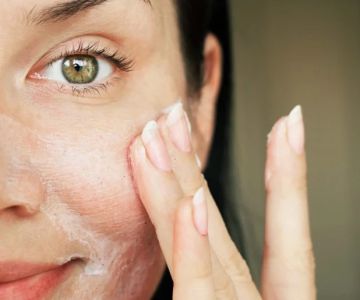


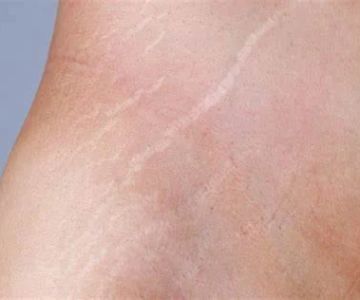


 Diamante Medical Skin Care4.0 (274 reviews)
 Luxe Skin Health0.0 (0 reviews)
 DeRomano Skincare5.0 (4 reviews)
 Celestial Skincare by Angel5.0 (48 reviews)
 Luna Bella Skin Care4.0 (27 reviews)
 Tatianasmedspa5.0 (12 reviews)
 Contact Dermatitis Diary: Products, Timing, and Photos
 Handwashing Skin Care: Clean, Moisturize, and Protect
 Makeup Brush Care: Wash, Dry, Store, and Replace
 Post-Workout Skin Care: Sweat, Friction, and Cleanup
 Shaving Irritation: Adjust Technique and Know When to Stop
 Lotion, Cream, or Ointment? Compare Moisturizer Textures