
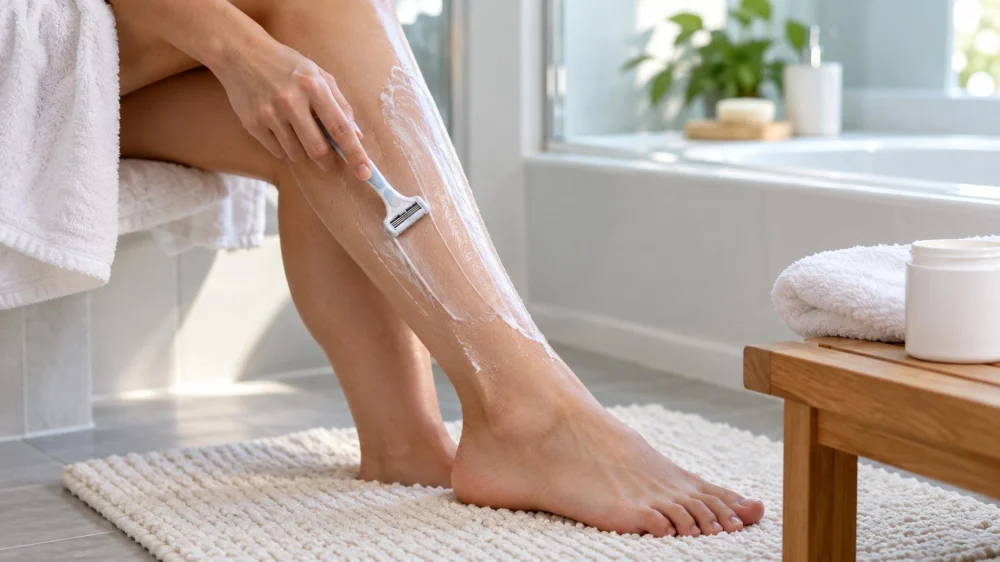
Shaving Irritation: Adjust Technique and Know When to Stop
On this page
Quick answer
Reduce shaving irritation by softening hair with lukewarm water, using a compatible lubricant, shaving with light pressure and fewer passes, and rinsing the blade often. Start in the direction the hair grows and avoid stretching skin or shaving over inflamed bumps. Afterward, rinse gently and use a plain moisturizer. Stop for spreading redness, pus, severe pain, repeated ingrown hairs, or a rash that persists.
Shaving irritation is redness, burning, tenderness, bumps, or itching caused or worsened by hair removal. Friction, repeated passes, a dull or contaminated blade, close cutting, product reaction, and curved hairs growing into skin can contribute. Similar symptoms can also come from dermatitis, infection, acne, or another condition.
Why shaving can irritate skin
A blade removes hair while also contacting the outer skin surface. Pressing harder, shaving dry, passing repeatedly over one spot, or cutting against the grain can increase mechanical stress. Very close shaving can allow some hairs to curve back or become trapped as they regrow.
Fragrance, preservatives, alcohol, essential oils, or other ingredients in shaving and aftercare products can irritate or trigger allergy. Heat, sweat, tight clothing, and friction after shaving may make symptoms worse.
Prepare skin and equipment
- Wash hands and gently cleanse the area.
- Use lukewarm water for several minutes to soften hair; avoid very hot water.
- Apply a fragrance-free or otherwise compatible shaving gel or cream and let it sit as directed.
- Use a clean sharp blade or a well-maintained electric device suitable for the area.
- Map the direction of hair growth because it can change across one body area.
Do not share razors. Store equipment dry and protected, and replace blades according to condition and manufacturer guidance. Rust, pulling, roughness, or damage are reasons to stop using a blade.
Use a lower-friction technique
Shave with short controlled strokes and light pressure. Begin in the direction of growth, rinsing the blade without tapping it against a hard surface. Use one pass when possible. If closer shaving is needed, reapply lubricant and consider a cross-grain pass only if skin tolerates it.
Avoid repeatedly scraping the same area, stretching skin tightly, or digging at an ingrown hair. Around curves, slow down and keep the blade angle appropriate for the tool. Electric shavers have different wet, dry, foil, or rotary instructions; follow the manual.
For people prone to ingrown hairs, leaving a small amount of stubble with a guarded trimmer may be better tolerated than a skin-close shave. A dermatologist can tailor prevention for recurrent problems.
Care for skin afterward
Rinse away residue with cool or lukewarm water and pat dry using a clean towel. Apply a plain compatible moisturizer without rubbing aggressively. Avoid applying fragrance, harsh acids, retinoids, alcohol-heavy products, or other known irritants immediately unless a clinician’s plan says otherwise.
Reduce tight clothing, friction, and heavy sweating on the area until it settles. Clean the razor as directed, allow it to dry, and store it away from splashes. If shaving caused a small nick, apply gentle pressure with a clean material; seek care for bleeding that does not stop.
When to stop shaving and seek care
Give irritated skin time to recover rather than shaving through redness or open bumps. Seek clinical advice for spreading warmth or redness, pus, increasing pain, fever, scarring, deep lumps, frequent ingrown hairs, or symptoms that recur despite technique changes.
Urgent help is needed for facial or throat swelling, breathing difficulty, or a severe allergic reaction. People with diabetes, immune suppression, bleeding risk, or a skin condition should ask a clinician about safe hair removal and wound care.
This article is general education. It cannot diagnose folliculitis, pseudofolliculitis, contact dermatitis, infection, or other causes of bumps.
Sources and evidence notes
This guide reflects common dermatology advice: soften hair, lubricate, reduce blade pressure and passes, begin with hair growth, use clean equipment, and pause when skin is inflamed. Product tolerance and hair pattern differ among people and body areas.
Frequently asked questions
Should I shave against the grain?
It can produce a closer result but may increase irritation and ingrown hairs for some people. Start with the direction of growth and prioritize comfort.
Is a multi-blade razor always better?
No. More blades can reduce passes for some users but may cut too closely or increase contact for others. Choose based on skin response.
Can I shave over bumps?
Avoid shaving inflamed, open, or infected-looking bumps. A guarded trimmer or temporary pause may reduce injury, with clinical advice for persistent bumps.
Does cold water close pores?
Pores do not open and close like doors. Cooler water may feel soothing, but gentle technique and compatible products matter more.
How often should I replace a blade?
There is no universal interval. Replace it when dull, damaged, rusty, contaminated, or pulling, and follow the manufacturer’s care guidance.
Conclusion and next steps
Make shaving gentler by preparing hair, using lubrication, choosing a clean sharp tool, following growth direction, and limiting passes. Moisturize afterward and let inflamed skin recover. Persistent or severe bumps deserve diagnosis rather than progressively closer or more aggressive shaving.





 Papaya Skin Loft5.0 (37 reviews)
 Simple Beauty0.0 (0 reviews)
 Calm Skincare Studio5.0 (6 reviews)
 Relaxing Beauty5.0 (19 reviews)
 Lorenda Holden Studio5.0 (1 reviews)
 Brilliant Skin4.0 (9 reviews)
 The Best Skin Care Products for Getting Rid of Fine Lines and Wrinkles
 Achieve Radiant Skin with Simple, Natural Skin Care Techniques
 The Best Face Serums for Hydration, Anti-Aging, and Skin Repair Guide
 How to Use Papaya Extract for Smoother, Brighter Skin
 How to Reduce Age Spots with a Simple Routine: Tips for Beautiful, Even Skin
 How to Care for Your Skin When You’re Traveling: Tips for Busy Lifestyles