
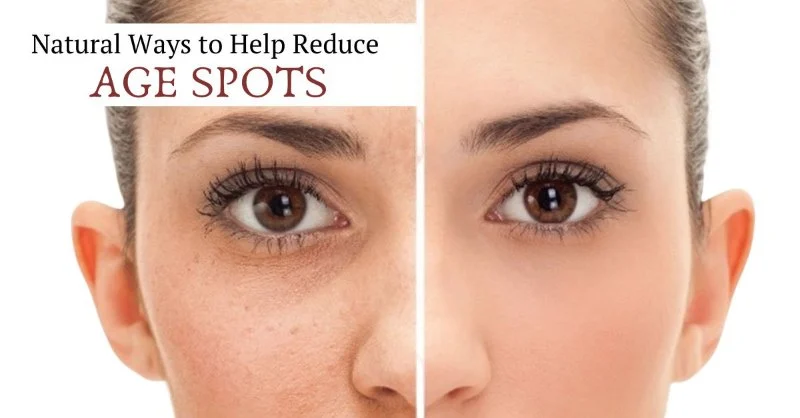
- 1- Understanding Age Spots and Their Causes
- 2- The Importance of Sunscreen in Preventing Age Spots
- 3- Building an Effective Skincare Routine to Reduce Age Spots
- 4- Natural Remedies to Treat Age Spots
- 5- Professional Treatments for Stubborn Age Spots
1- Understanding Age Spots and Their Causes
Age spots, also known as liver spots or solar lentigines, are flat, brown or black spots that appear on the skin, commonly on areas frequently exposed to the sun, such as the face, hands, shoulders, and arms. These spots develop as a result of the skin’s response to sun exposure and the accumulation of melanin. While they are typically harmless, age spots can be a cosmetic concern for many people, especially as they become more pronounced with age.
2- The Importance of Sunscreen in Preventing Age Spots
One of the most effective ways to prevent the development of age spots is by consistently applying sunscreen. UV rays from the sun stimulate the production of melanin, which can lead to the formation of dark spots. Using a broad-spectrum sunscreen with SPF 30 or higher can help protect the skin from harmful UVA and UVB rays, reducing the risk of developing new age spots or exacerbating existing ones.
3- Building an Effective Skincare Routine to Reduce Age Spots
In addition to using sunscreen, a well-rounded skincare routine can help prevent and fade existing age spots. Here are some essential steps:
1. Cleanse and Exfoliate Regularly
Gentle cleansing helps remove dirt, oil, and impurities, allowing your skincare products to work more effectively. Regular exfoliation (about 2-3 times a week) helps slough off dead skin cells, promoting the turnover of new skin. This process can help fade the appearance of age spots over time.
2. Use Vitamin C Serums
Vitamin C is known for its brightening properties and ability to reduce the appearance of dark spots. A vitamin C serum can help lighten age spots by inhibiting melanin production and promoting an even skin tone. Look for serums that contain stabilized vitamin C, such as ascorbic acid or ascorbyl glucoside.
3. Incorporate Retinoids into Your Routine
Retinoids are a powerful class of compounds that can accelerate skin cell turnover, making them effective in reducing the appearance of age spots. Retinol or tretinoin, in particular, can help fade discoloration, improve skin texture, and boost collagen production. Be sure to introduce retinoids gradually into your routine, as they can be irritating to the skin at first.
4. Moisturize and Hydrate
Keeping your skin hydrated is key to maintaining a healthy complexion. Look for moisturizers with ingredients like hyaluronic acid, which helps retain moisture and keep skin plump. Well-hydrated skin is more resilient and can better repair itself from environmental damage, including sun exposure.
4- Natural Remedies to Treat Age Spots
If you prefer a more natural approach to treating age spots, there are several home remedies that may help lighten them. While these remedies are not a replacement for professional treatments, they can be used as complementary options in your skincare routine:
1. Lemon Juice
Lemon juice is known for its natural bleaching properties due to its high citric acid content. Applying lemon juice directly to the affected area can help lighten age spots over time. However, be cautious when using lemon juice, as it can increase skin sensitivity to sunlight, so always follow up with sunscreen.
2. Aloe Vera
Aloe vera contains aloesin, which can help reduce melanin production and lighten age spots. Applying fresh aloe vera gel to the skin can soothe and nourish the skin, promoting healing and lightening discoloration.
3. Apple Cider Vinegar
Apple cider vinegar is another natural ingredient that may help fade age spots. It contains acetic acid, which can exfoliate the skin and reduce the appearance of dark spots. Mix it with water to dilute the acid before applying it to your skin.
5- Professional Treatments for Stubborn Age Spots
While at-home remedies can be effective for lightening age spots, professional treatments may be necessary for stubborn spots or more significant discoloration. Here are a few options to consider:
1. Chemical Peels
Chemical peels involve the application of a chemical solution that exfoliates the top layers of the skin, promoting new cell growth. This treatment can help fade age spots and improve skin texture. It's typically done in a dermatologist’s office and may require multiple sessions for optimal results.
2. Laser Treatment
Laser treatments, such as fractional laser or intense pulsed light (IPL), target the pigment in age spots and break it up. These treatments are highly effective in reducing the appearance of dark spots and promoting an even skin tone. They are best performed by a licensed professional.
3. Cryotherapy
Cryotherapy involves freezing the age spots using liquid nitrogen, which destroys the excess pigment. While it’s generally safe, cryotherapy is best for isolated spots and may leave the skin temporarily red or irritated.
By following a consistent skincare routine, using natural remedies, and considering professional treatments, you can significantly reduce the appearance of age spots and achieve smoother, more even-toned skin. If you're looking for the right products to incorporate into your routine, visit SkinCare Experts for a wide range of skincare solutions.

 ProSkin5.0 (20 reviews)
 Especially Aesthetic0.0 (0 reviews)
 Cameron Dermatology4.0 (572 reviews)
 LillyFace Premium Skin Care5.0 (1 reviews)
 Wake Up & Make Up By Ann Located in own building4.0 (13 reviews)
 Tampa Bay Laser Lipo4.0 (55 reviews)
 Daily Skin Care Routine for Dark Circles in People Living in Dry Climates
 How to Avoid Oily Skin in People with Sensitive Skin – Dermatologist Tips & Daily Skincare Guide
 How To Soothe Cleansers to Improve Inflamed Skin Naturally and Effectively
 How to Deal with Uneven Skin Tone Using Natural Remedies
 Daily Skin Care Routine For Dull Skin In People With Sensitive Skin
 How To Soothe Redness Using Natural Remedies