
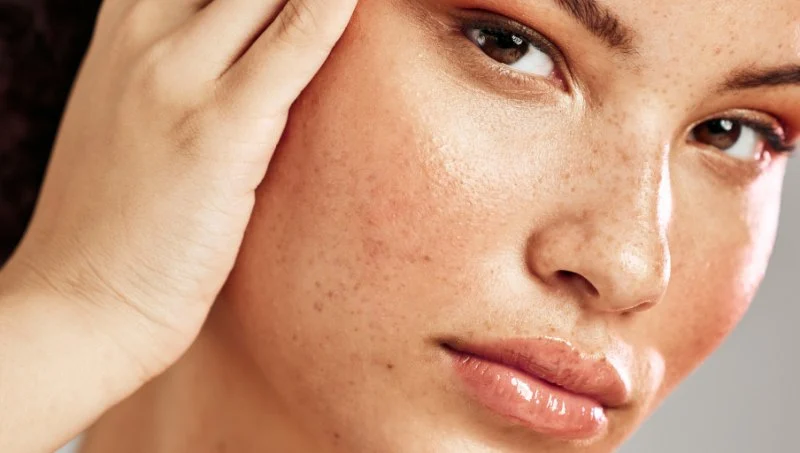
Understanding Retinol To Improve Uneven Skin Tone
- 1. What Is Retinol and How Does It Work?
- 2. How Retinol Helps with Uneven Skin Tone
- 3. How to Incorporate Retinol Into Your Skincare Routine
- 4. Possible Side Effects of Retinol and How to Manage Them
- 5. Real Results: Success Stories of Retinol Improving Skin Tone
1. What Is Retinol and How Does It Work?
Retinol is a potent derivative of Vitamin A that has become a cornerstone in skincare for its ability to rejuvenate the skin. It works by promoting cell turnover, which helps remove dead skin cells and encourages the production of new, healthy skin cells. This process is particularly beneficial for improving skin texture, reducing fine lines, and addressing issues like acne and uneven skin tone.
When applied topically, retinol penetrates the skin and stimulates the production of collagen, which helps improve skin elasticity and smoothness. Over time, this leads to a more even skin tone, reduced pigmentation, and a healthier appearance. Its ability to target multiple skin concerns has made it a highly effective solution for those dealing with hyperpigmentation, dark spots, and blotchy skin.
2. How Retinol Helps with Uneven Skin Tone
Uneven skin tone is a common issue caused by several factors, including sun exposure, aging, hormonal changes, and acne scars. Retinol addresses these concerns by speeding up the skin’s natural exfoliation process, which helps fade dark spots, pigmentation, and redness. By promoting the turnover of skin cells, retinol helps reveal brighter and more uniform skin underneath.
One of the primary reasons retinol works so effectively for uneven skin tone is its ability to lighten hyperpigmentation. Hyperpigmentation occurs when excess melanin is produced, leading to dark spots or patches. Retinol reduces melanin production in the skin and helps to fade these spots over time, leading to a more even complexion.
3. How to Incorporate Retinol Into Your Skincare Routine
If you're new to retinol, it’s important to start slowly and gradually incorporate it into your skincare routine to avoid irritation. Begin by using a retinol product once or twice a week, and then slowly increase usage as your skin becomes accustomed to it. Retinol can cause dryness and peeling, so it’s best to apply it at night after cleansing and before moisturizing.
Additionally, since retinol can make your skin more sensitive to the sun, it’s crucial to wear sunscreen every day, even if you're indoors. Sunscreen will help protect your skin from further pigmentation and prevent sun damage. Over time, with consistent use, you’ll begin to see improvements in your skin’s tone and texture.
4. Possible Side Effects of Retinol and How to Manage Them
While retinol is incredibly effective, it can sometimes cause side effects, especially for those with sensitive skin. Common side effects include redness, peeling, dryness, and irritation. However, these symptoms are often temporary and can be managed by using a lower concentration of retinol or applying it less frequently.
If you experience significant irritation, you may want to reduce the frequency of use or switch to a gentler retinoid, such as retinol esters or retinaldehyde, which are less potent but still provide benefits for skin tone improvement. Additionally, always ensure you’re using a good moisturizer to help combat dryness and protect your skin barrier.
5. Real Results: Success Stories of Retinol Improving Skin Tone
Many people who struggle with uneven skin tone have found remarkable results after incorporating retinol into their skincare routine. For example, Jessica, a 42-year-old woman, had been dealing with dark spots and redness from years of sun exposure. After using retinol consistently for a few months, she noticed a significant improvement in the brightness and evenness of her complexion. Her pigmentation had faded, and her skin felt smoother and more youthful.
Another case involves Michael, who had struggled with acne scars for years. After using retinol in conjunction with a good sunscreen, Michael saw a reduction in the visibility of his scars and noticed a more even skin tone overall. These success stories highlight how retinol can be an essential tool for achieving healthier, more radiant skin.
If you’re ready to improve your uneven skin tone and see the transformative effects of retinol, visit SkinCare Experts for expert recommendations on the best retinol products for your skin type. Whether you're dealing with dark spots, acne scars, or general discoloration, a well-formulated retinol product can help you achieve the beautiful, even complexion you desire.



 GLO30 National Landing4.0 (218 reviews)
 Linda Lee Skin Care & Natural Nails5.0 (2 reviews)
 Carson Skin Rejuvenation5.0 (13 reviews)
 Charm's Aesthetics, LLC5.0 (5 reviews)
 Skin By Candace4.0 (13 reviews)
 Epiphany Dermatology4.0 (1746 reviews)
 How To Boost Your Skin's Sensitive Skin In People Living In Humid Climates
 How To Repair Scars In People Over 40
 How To Brighten Sun Damage Effectively
 Top Tips for Fine Lines in Women: How to Manage and Reduce Them
 How To Reduce Dull Skin With A Simple Routine | Skincare Tips for Radiance
 How To Use Inflamed Skin Treatments for People with Combination Skin