
- what-is-hyperpigmentation
- common-causes-of-hyperpigmentation
- natural-remedies-for-hyperpigmentation
- real-life-cases-and-experiences
- lifestyle-habits-to-prevent-dark-spots
- when-to-seek-professional-help
1. What is Hyperpigmentation
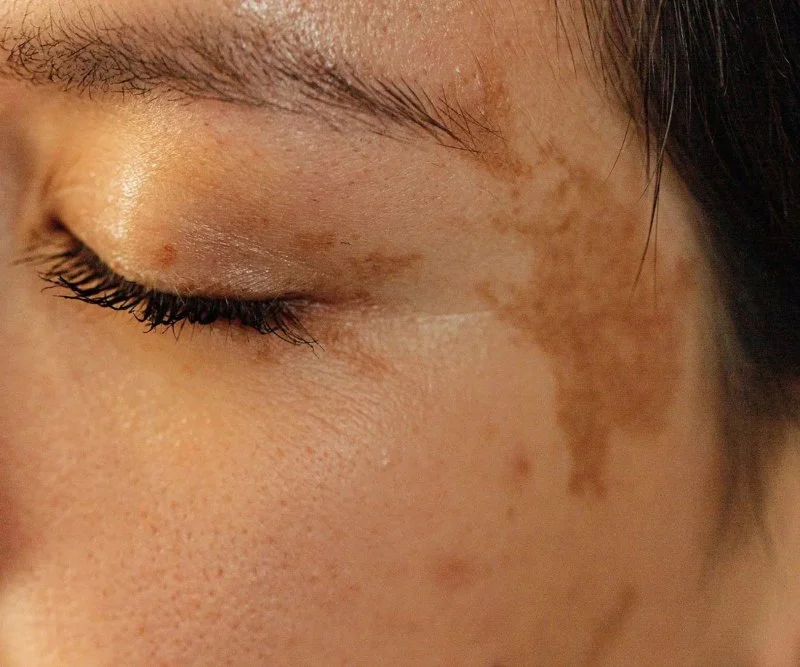
Hyperpigmentation refers to darker patches of skin caused by an overproduction of melanin. While it is not dangerous, it can be frustrating for many individuals who are seeking even-toned, radiant skin. The condition can appear as age spots, melasma, or post-inflammatory marks from acne. Understanding the underlying causes is the first step in addressing this concern effectively and naturally.
2. Common Causes of Hyperpigmentation
2.1 Sun Exposure
Ultraviolet (UV) rays are one of the leading causes of hyperpigmentation. Prolonged sun exposure triggers excess melanin production, leading to sunspots or freckles that may darken over time.
2.2 Hormonal Changes
Pregnancy, birth control pills, or hormonal imbalances can result in melasma, often appearing as symmetrical dark patches on the face. This is commonly referred to as the “mask of pregnancy.”
2.3 Skin Injuries or Acne
Post-inflammatory hyperpigmentation often develops after skin trauma, acne, or even cosmetic treatments. These dark marks may fade naturally but often take months without targeted care.
3. Natural Remedies for Hyperpigmentation
3.1 Aloe Vera
Aloe vera contains aloin, a natural depigmenting compound that can help lighten dark spots over time. Applying fresh aloe gel to affected areas before bedtime is a common home remedy recommended by skincare enthusiasts.
3.2 Turmeric
Known for its anti-inflammatory properties, turmeric can reduce melanin production. Many people use turmeric masks mixed with honey or yogurt as a soothing treatment for uneven skin tone.
3.3 Green Tea Extract
Studies suggest that green tea extract has antioxidant effects that may reduce pigmentation. Applying cooled green tea bags directly to the skin is a simple and natural way to benefit from this remedy.
3.4 Lemon Juice (Used with Caution)
Lemon juice has natural bleaching properties, but it should be used cautiously as it may irritate sensitive skin. Dilution and patch testing are essential before regular use.
4. Real-Life Cases and Experiences
One popular example is a Canadian lifestyle blogger who shared her struggle with acne scars. Instead of relying on chemical treatments, she documented her journey using turmeric masks and aloe vera gel. After six months of consistency, she showed visible improvement, inspiring many readers to adopt similar natural routines. Such stories highlight how patience and the right remedies can bring real change without invasive procedures.
5. Lifestyle Habits to Prevent Dark Spots
Natural remedies work best when combined with preventive habits. Daily sunscreen application, regardless of weather, is essential in protecting against worsening pigmentation. Staying hydrated, eating antioxidant-rich foods, and avoiding excessive picking at blemishes also contribute to maintaining an even complexion. Incorporating gentle exfoliation helps to remove dead skin cells and improve absorption of natural treatments.
6. When to Seek Professional Help
While natural remedies can significantly improve mild hyperpigmentation, persistent or severe cases may require professional attention. Dermatologists can provide guidance on combining natural care with advanced treatments. Platforms such as SkinCare Experts also provide access to high-quality products and tailored advice for individuals looking to balance natural solutions with effective skincare routines.



 GLO30 National Landing4.0 (218 reviews)
 Linda Lee Skin Care & Natural Nails5.0 (2 reviews)
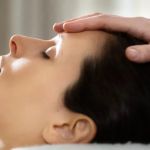 Carson Skin Rejuvenation5.0 (13 reviews)
 Charm's Aesthetics, LLC5.0 (5 reviews)
 Skin By Candace4.0 (13 reviews)
 Epiphany Dermatology4.0 (1746 reviews)
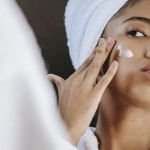 How To Boost Your Skin's Sensitive Skin In People Living In Humid Climates
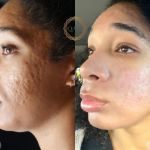 How To Repair Scars In People Over 40
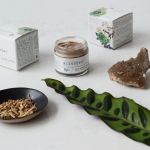 How To Brighten Sun Damage Effectively
 Top Tips for Fine Lines in Women: How to Manage and Reduce Them
 How To Reduce Dull Skin With A Simple Routine | Skincare Tips for Radiance
 How To Use Inflamed Skin Treatments for People with Combination Skin