
Ultimate Guide To Your Whiteheads With These 7 Tips
- 1- Understanding Whiteheads and Their Causes
- 2- Tip #1: Keep Your Skin Clean and Hydrated
- 3- Tip #2: Use Non-Comedogenic Products
- 4- Tip #3: Regular Exfoliation for Smooth Skin
- 5- Tip #4: Avoid Touching Your Face Frequently
- 6- Tip #5: Apply Targeted Treatments for Whiteheads
- 7- Tip #6: Maintain a Healthy Diet and Hydration
- 8- Tip #7: Seek Professional Help When Necessary
1- Understanding Whiteheads and Their Causes
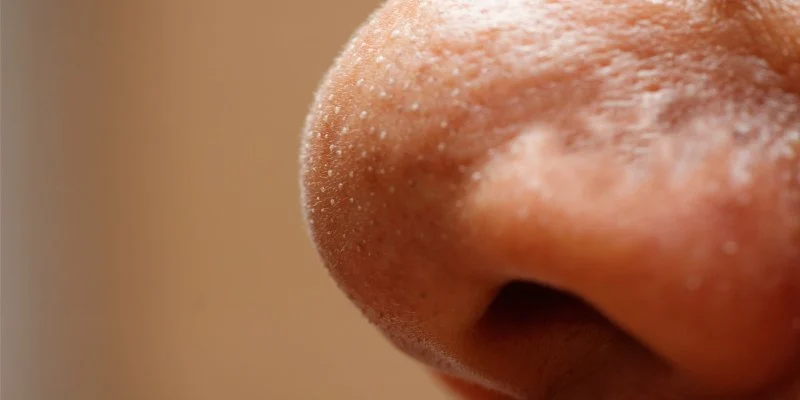
Whiteheads are a common type of acne that occur when hair follicles become clogged with excess oil, dead skin cells, and bacteria. These clogged pores create small, white bumps on the surface of the skin. Whiteheads are often found on the face, especially around the nose, chin, and forehead, but they can also appear on other areas like the back and chest.
The main causes of whiteheads include hormonal fluctuations, excess sebum production, poor skincare habits, and certain medications. Stress, environmental factors, and diet can also play a role in exacerbating this condition. Understanding the root cause of your whiteheads is crucial for determining the best approach to treating them effectively.
2- Tip #1: Keep Your Skin Clean and Hydrated
One of the most important steps in preventing and treating whiteheads is maintaining clean and hydrated skin. Regular cleansing helps remove dirt, oil, and bacteria that can contribute to clogged pores. Use a gentle, non-stripping cleanser that suits your skin type. Be sure to hydrate your skin with a moisturizer to prevent dryness and irritation, which can worsen acne.
Make sure to wash your face twice a day — once in the morning and once before bed — and after sweating to keep your skin fresh and clear. Hydrated skin is less likely to produce excess oil, which can contribute to whiteheads.
3- Tip #2: Use Non-Comedogenic Products
Choosing the right skincare and makeup products is key to preventing whiteheads. Look for products labeled "non-comedogenic," meaning they won't clog pores. Many skincare brands now offer formulas designed for acne-prone skin that are free from oils and other pore-clogging ingredients.
Be cautious with heavy foundations, moisturizers, and sunscreens, as they can trap oil and dirt in your pores. Instead, opt for lightweight, oil-free products that won't exacerbate your whitehead issues.
4- Tip #3: Regular Exfoliation for Smooth Skin
Exfoliation helps to remove dead skin cells that can clog pores, making it an effective strategy for preventing whiteheads. Use gentle exfoliating products that contain ingredients like salicylic acid or glycolic acid. These chemical exfoliants can help clear out pores and promote healthy skin cell turnover.
Avoid harsh physical exfoliants that can irritate the skin and cause more breakouts. Instead, focus on exfoliating 2-3 times per week, depending on your skin's sensitivity, to keep your complexion smooth and clear.
5- Tip #4: Avoid Touching Your Face Frequently
Your hands carry dirt, oil, and bacteria, and frequently touching your face can transfer these impurities onto your skin, leading to clogged pores and whiteheads. Try to avoid touching your face throughout the day, including resting your chin on your hand or leaning on your hands.
If you must touch your face, make sure your hands are clean to minimize the risk of introducing bacteria to your skin. Also, regularly wash your pillowcases and towels to avoid transferring oils and bacteria from these surfaces to your skin.
6- Tip #5: Apply Targeted Treatments for Whiteheads
If you're struggling with whiteheads, consider using targeted treatments that are specifically designed to treat acne. Topical treatments that contain benzoyl peroxide or salicylic acid can help reduce the appearance of whiteheads by clearing up the bacteria in your pores and reducing inflammation.
Apply spot treatments directly to the affected areas after cleansing and before moisturizing. Be consistent with your treatment routine, but be careful not to overuse these products, as they can be drying if applied too frequently.
7- Tip #6: Maintain a Healthy Diet and Hydration
What you eat can play a significant role in your skin health. A diet rich in antioxidants, vitamins, and minerals can promote healthy skin and help prevent acne, including whiteheads. Foods high in omega-3 fatty acids, such as fish and flaxseed, can reduce inflammation and support clear skin.
Also, drink plenty of water to keep your skin hydrated. Dehydrated skin can lead to increased oil production, contributing to clogged pores. Aim for at least 8 glasses of water a day and incorporate more fresh fruits and vegetables into your diet for optimal skin health.
8- Tip #7: Seek Professional Help When Necessary
While home remedies can be effective for mild whiteheads, sometimes professional help is necessary, especially if your acne persists or worsens. A dermatologist or licensed skincare professional can offer personalized treatments and may recommend procedures such as chemical peels, microdermabrasion, or prescription-strength medications to address whiteheads.
If you’re unsure about the best approach for your skin, seeking professional guidance can help you avoid harsh treatments and get the best results for your unique skin needs.
By following these tips and maintaining a consistent skincare routine, you can effectively manage and prevent whiteheads. With the right approach, you can enjoy clear, smooth skin and boost your confidence.



 GLO30 National Landing4.0 (218 reviews)
 Linda Lee Skin Care & Natural Nails5.0 (2 reviews)
 Carson Skin Rejuvenation5.0 (13 reviews)
 Charm's Aesthetics, LLC5.0 (5 reviews)
 Skin By Candace4.0 (13 reviews)
 Epiphany Dermatology4.0 (1746 reviews)
 How To Boost Your Skin's Sensitive Skin In People Living In Humid Climates
 How To Repair Scars In People Over 40
 How To Brighten Sun Damage Effectively
 Top Tips for Fine Lines in Women: How to Manage and Reduce Them
 How To Reduce Dull Skin With A Simple Routine | Skincare Tips for Radiance
 How To Use Inflamed Skin Treatments for People with Combination Skin