
- Why Face Serums Matter in Anti-Aging Care
- Key Ingredients That Define the Best Anti-Aging Serums
- How to Choose the Right Serum for Your Skin Type
- Morning vs Night Serum Strategies That Actually Work
- Real Experiences: Why Some Serums Work Better Than Others
- Common Mistakes People Make with Anti-Aging Serums
- Building a Long-Term Anti-Aging Skincare Plan
Why Face Serums Matter in Anti-Aging Care
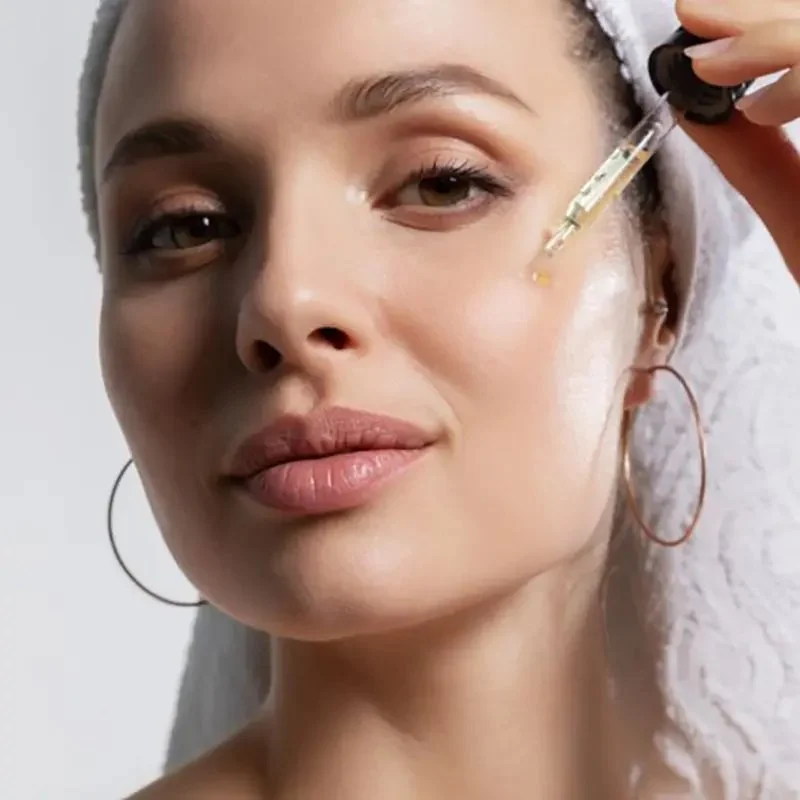
When people start searching for the best anti-aging skincare solutions, face serums almost always become the center of attention. Unlike moisturizers, which mainly protect and hydrate the skin surface, serums are designed to deliver concentrated active ingredients deeper into the skin layers.
This is why dermatologists often describe serums as “targeted treatment steps” in a skincare routine. They are not meant to replace other products, but to enhance them. In modern skincare culture across the United States, serums have become essential for anyone trying to reduce fine lines, improve elasticity, and restore a youthful glow.
The phrase The Best Face Serums for Anti-Aging: What to Look For is not just about product selection—it reflects a broader shift in how people approach skincare. Instead of relying on general creams, users now focus on ingredient-driven solutions backed by science.
Platforms like SkinCare Experts have made this process easier by helping users compare formulations, understand ingredient combinations, and build personalized routines that actually match their skin needs.
Key Ingredients That Define the Best Anti-Aging Serums
Not all serums are created equal. What separates an average product from one of the best face serums for anti-aging is the ingredient list. Understanding what goes into a serum is often more important than the brand name on the bottle.
1. Vitamin C: Brightening and Protection
Vitamin C remains one of the most researched anti-aging ingredients. It helps reduce dullness, supports collagen production, and protects the skin from environmental stress.
Many users report that consistent use of Vitamin C serums results in visibly brighter and more even-toned skin within weeks.
2. Retinol: The Gold Standard for Wrinkle Reduction
Retinol is widely considered one of the most effective ingredients for anti-aging. It encourages skin cell turnover and improves fine lines over time.
However, it must be introduced slowly. A real case shared in skincare communities involved a user in California who overused retinol daily and experienced irritation. After adjusting to a twice-weekly schedule, her skin improved significantly within two months.
3. Hyaluronic Acid: Deep Hydration Support
Hyaluronic acid acts like a moisture magnet. It can hold many times its weight in water, helping the skin appear plumper and smoother.
This ingredient is especially helpful for individuals experiencing dryness due to aging or environmental stress.
4. Niacinamide: Barrier Strengthening Power
Niacinamide improves skin texture, reduces redness, and strengthens the skin barrier. It is one of the most versatile ingredients found in modern serums.
5. Peptides: Supporting Skin Elasticity
Peptides signal the skin to produce more collagen, which is essential for maintaining firmness and elasticity as we age.
How to Choose the Right Serum for Your Skin Type
Choosing a serum without understanding your skin type often leads to disappointing results. The best face serums for anti-aging are not universal—they depend on individual needs.
Oily Skin Considerations
People with oily skin should focus on lightweight, water-based serums. Heavy oils or thick formulations may clog pores and worsen breakouts.
Dry Skin Considerations
Dry skin benefits from serums that combine hyaluronic acid and nourishing ingredients like ceramides. These help restore moisture balance and reduce flakiness.
Sensitive Skin Considerations
Sensitive skin requires minimal, fragrance-free formulas. Overloading active ingredients can trigger irritation.
Combination Skin Considerations
Combination skin often needs layered care—hydrating ingredients for dry zones and oil-control ingredients for the T-zone.
Morning vs Night Serum Strategies That Actually Work
Timing plays a major role in how effective a serum can be. Using the right ingredient at the right time of day enhances results significantly.
Morning Serums
Morning skincare focuses on protection. Vitamin C is commonly used during the day because it helps defend against UV damage and pollution.
Night Serums
Nighttime is when skin repair is most active. Retinol and peptide-based serums are most effective during this period.
A skincare enthusiast in New York shared her routine change: she moved retinol exclusively to nighttime use and Vitamin C to mornings. Within three months, her skin texture improved noticeably, with reduced fine lines around the eyes.
Real Experiences: Why Some Serums Work Better Than Others
One of the most common questions in skincare communities is why two people using similar serums can get completely different results. The answer usually lies in consistency, skin barrier health, and product layering.
A popular case discussed online involved a user who switched between five different serums within one month. Her skin became irritated and unpredictable. After simplifying her routine to just one serum and a moisturizer, her skin stabilized and improved.
This highlights a key truth: more products do not always mean better results.
Common Mistakes People Make with Anti-Aging Serums
Even high-quality serums can fail if used incorrectly. Understanding common mistakes helps maximize results.
1. Layering Too Many Actives
Combining retinol, acids, and Vitamin C all at once can overwhelm the skin.
2. Expecting Immediate Results
Anti-aging skincare requires patience. Visible changes often take 6–12 weeks.
3. Skipping Sunscreen
Without sunscreen, even the best serum cannot prevent UV-related aging.
4. Inconsistent Use
Using a serum sporadically reduces its effectiveness significantly.
Building a Long-Term Anti-Aging Skincare Plan
Long-term success in skincare depends on consistency and simplicity rather than complexity. The best face serums for anti-aging should fit naturally into a routine that can be maintained daily.
A strong routine usually includes cleansing, targeted serum application, moisturizing, and sun protection. Over time, this structure supports healthier, more resilient skin.
Many users who once struggled with confusion in product selection turn to SkinCare Experts to better understand ingredient compatibility and routine building strategies tailored to aging concerns.
The reality is that anti-aging skincare is not about chasing perfection but about maintaining skin health over time. With the right serum, consistent use, and informed choices, visible improvement becomes achievable and sustainable.


 Sabina’s Beauty Secrets0.0 (0 reviews)
 Weimei Beauty0.0 (0 reviews)
 Clear Day Acne Clinic5.0 (7 reviews)
 Glow & Dagger Skin Care5.0 (6 reviews)
 TigerLily Studio4.0 (49 reviews)
 Skin & Soul5.0 (27 reviews)
 How To Manage Dull Skin: What You Need To Know
 How to Achieve Flawless Skin in Your 30s: Essential Skincare Tips
 How To Balance Sun Damage In People Over 40
 How To Avoid Moisturizer to Improve Scars Without Compromising Healing
 How to Avoid Inflamed Skin and Manage It Effectively
 How To Avoid Rosacea: What You Need To Know