
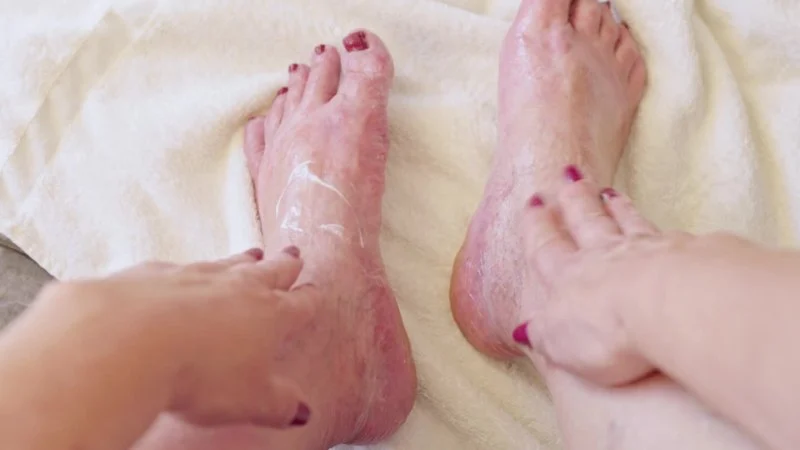
- 1- What is Eczema and How Does It Affect Your Skin?
- 2- Common Triggers of Eczema
- 3- Top Skin Care Tips for Managing Eczema
- 4- The Importance of Moisturizing for Eczema
- 5- How Diet and Lifestyle Impact Eczema
- 6- When to Seek Professional Help for Eczema
1- What is Eczema and How Does It Affect Your Skin?
Eczema is a common condition that causes inflammation, irritation, and itching of the skin. It affects people of all ages and can appear as dry, red, or scaly patches on the skin. The exact cause of eczema is not fully understood, but it is believed to be a combination of genetic and environmental factors.
When it comes to managing eczema, proper skin care is essential to reduce flare-ups and minimize irritation. Understanding the condition and its effects on your skin is the first step towards developing an effective skin care routine.
2- Common Triggers of Eczema
Several factors can trigger eczema flare-ups, and identifying these triggers can help you manage the condition more effectively. Some common eczema triggers include:
- Allergens: Dust mites, pet dander, pollen, and certain foods may trigger eczema flare-ups.
- Harsh Chemicals: Soaps, detergents, and fragrances can irritate sensitive skin.
- Stress: Emotional stress is a significant trigger for many people with eczema.
- Temperature Changes: Extreme hot or cold weather can worsen eczema symptoms.
- Skin Infections: Bacterial or viral infections can aggravate eczema flare-ups.
3- Top Skin Care Tips for Managing Eczema
Managing eczema effectively requires a combination of the right skin care practices and lifestyle adjustments. Here are some expert-recommended skin care tips:
- Gentle Cleansing: Use a mild, fragrance-free cleanser to avoid irritating the skin. Avoid hot water, as it can strip the skin of its natural oils.
- Regular Moisturizing: Moisturizing is key in preventing eczema flare-ups. Apply a thick, emollient moisturizer after bathing to lock in moisture and protect the skin barrier.
- Avoid Scratching: Scratching can worsen eczema and lead to skin infections. Try to keep your nails trimmed and wear soft cotton gloves if necessary to avoid scratching at night.
- Choose Eczema-Friendly Products: Use skin care products specifically designed for sensitive skin. Look for lotions, creams, and ointments formulated for eczema sufferers, free from fragrances and other harsh chemicals.
- Use Topical Steroids or Prescribed Ointments: In some cases, doctors may recommend topical corticosteroids or other prescribed treatments to manage inflammation and reduce flare-ups.
4- The Importance of Moisturizing for Eczema
Moisturizing is one of the most important steps in managing eczema. Keeping your skin hydrated helps maintain the skin's natural barrier, preventing it from becoming dry, cracked, and more vulnerable to irritation. Regular moisturizing also helps soothe itching and reduce inflammation.
For eczema-prone skin, use thick, fragrance-free ointments or creams rather than lotions. These products are more effective at providing a long-lasting barrier and locking in moisture. It’s best to apply moisturizer immediately after bathing while the skin is still damp to help seal in the moisture.
5- How Diet and Lifestyle Impact Eczema
Diet and lifestyle play a significant role in managing eczema. While there is no one-size-fits-all solution, making certain changes can help improve skin health:
- Anti-Inflammatory Diet: Foods rich in omega-3 fatty acids, like salmon and flaxseeds, can help reduce inflammation. Avoiding processed foods and reducing your intake of sugar and refined carbohydrates may also help manage flare-ups.
- Stay Hydrated: Drinking plenty of water throughout the day helps keep your skin hydrated and supports overall health.
- Reduce Stress: Stress is a major trigger for eczema, so practicing stress-relieving techniques like yoga, meditation, or deep breathing exercises can be beneficial.
- Sleep Hygiene: Poor sleep can exacerbate eczema symptoms, so ensure you get enough rest and maintain a consistent sleep schedule.
6- When to Seek Professional Help for Eczema
If your eczema does not improve with over-the-counter treatments or if it significantly impacts your quality of life, it’s important to seek professional help. A dermatologist or healthcare provider can help determine the underlying causes of your eczema and recommend a personalized treatment plan.
In some cases, prescription-strength topical treatments or oral medications may be necessary to manage flare-ups effectively. Additionally, a healthcare professional can guide you in identifying any potential triggers or allergies that may be contributing to your condition.



 ProSkin5.0 (20 reviews)
 Especially Aesthetic0.0 (0 reviews)
 Cameron Dermatology4.0 (572 reviews)
 LillyFace Premium Skin Care5.0 (1 reviews)
 Wake Up & Make Up By Ann Located in own building4.0 (13 reviews)
 Tampa Bay Laser Lipo4.0 (55 reviews)
 Daily Skin Care Routine for Dark Circles in People Living in Dry Climates
 How to Avoid Oily Skin in People with Sensitive Skin – Dermatologist Tips & Daily Skincare Guide
 How To Soothe Cleansers to Improve Inflamed Skin Naturally and Effectively
 How to Deal with Uneven Skin Tone Using Natural Remedies
 Daily Skin Care Routine For Dull Skin In People With Sensitive Skin
 How To Soothe Redness Using Natural Remedies