
- 1 - Understanding Eczema
- 2 - Common Mistakes When Using Natural Remedies for Eczema
- 3 - How to Avoid Mistakes in Eczema Treatment
- 4 - Effective Natural Remedies for Eczema
- 5 - When to Consult Eczema Experts
1. Understanding Eczema
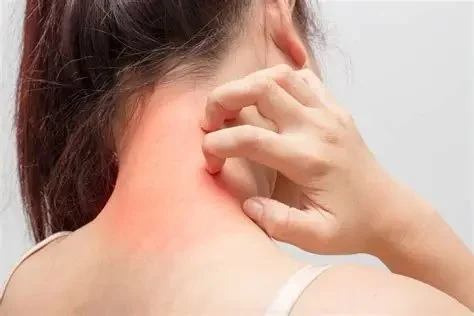
Eczema, also known as atopic dermatitis, is a condition that causes inflamed, itchy skin. It can appear anywhere on the body and often starts in childhood, although it can occur at any age. The condition leads to dry, red patches of skin that can crack, bleed, or become infected. Eczema can be triggered by various factors, such as allergies, irritants, or stress, and managing the symptoms can be challenging.
2. Common Mistakes When Using Natural Remedies for Eczema
When dealing with eczema, many people turn to natural remedies in hopes of finding relief from their symptoms. While natural remedies can be beneficial, there are some common mistakes to avoid to ensure effectiveness and prevent further irritation.
- Overuse of Home Ingredients: Some individuals apply natural ingredients, such as essential oils or aloe vera, without researching their proper use. Overusing these products can lead to irritation or worsen the condition.
- Ignoring Professional Guidance: While natural remedies can be helpful, it's important not to ignore professional advice. Relying solely on natural treatments without a healthcare provider’s input can cause the condition to worsen.
- Using Harsh Ingredients: Many people turn to DIY remedies using ingredients like lemon juice or vinegar. While these may work for some, they can be too harsh for eczema-prone skin and may cause a flare-up.
- Neglecting Skin Care Routine: A consistent skincare routine is vital when dealing with eczema. Neglecting hydration and moisturizing after using natural remedies can prevent healing and exacerbate symptoms.
3. How to Avoid Mistakes in Eczema Treatment
To avoid common mistakes, it is essential to educate yourself and follow proper guidelines when using natural remedies for eczema treatment:
- Patch Test New Remedies: Always perform a patch test before using any new product to ensure it doesn't cause irritation. Apply a small amount on a patch of healthy skin and wait 24-48 hours to observe any adverse reaction.
- Consult with a Healthcare Provider: Always discuss any new treatments, including natural remedies, with a doctor or dermatologist. They can provide advice on which remedies are safe for your skin type and condition.
- Hydrate and Moisturize: After using natural remedies, make sure to hydrate and moisturize your skin properly. This helps to lock in moisture and prevent your skin from drying out, which is crucial for eczema management.
- Use Natural Remedies as Part of a Holistic Approach: Use natural remedies in conjunction with other treatments and strategies, such as avoiding triggers, managing stress, and using prescribed medications when necessary.
4. Effective Natural Remedies for Eczema
There are several natural remedies that can effectively help alleviate the symptoms of eczema. Some of the most popular and effective treatments include:
- Oatmeal Baths: Oatmeal has anti-inflammatory properties that can help calm irritated skin. Adding colloidal oatmeal to a warm bath can soothe itching and moisturize the skin.
- Coconut Oil: Coconut oil is a natural moisturizer that also has antibacterial properties. Applying it to eczema-prone areas can help lock in moisture and reduce inflammation.
- Aloe Vera: Aloe vera gel can help soothe inflamed skin. It has anti-inflammatory and healing properties that can be useful for eczema flare-ups.
- Honey: Honey is a natural humectant, which means it helps to draw moisture into the skin. It also has antimicrobial properties, making it ideal for treating eczema-prone skin and preventing infections.
- Chamomile: Chamomile tea or chamomile essential oil may help reduce inflammation and soothe irritated skin. Applying cooled chamomile tea to eczema patches can provide relief from itching.
5. When to Consult Eczema Experts
While natural remedies can help manage eczema, it’s essential to consult with a dermatologist or healthcare provider if:
- Symptoms Persist: If natural remedies aren't improving your eczema, or if the symptoms worsen, it's important to seek professional care.
- Infection Occurs: If eczema lesions become infected, professional medical treatment is necessary to prevent further complications.
- Severe Flare-Ups Occur: If you experience severe eczema flare-ups that cause significant discomfort or interfere with your daily life, it's time to consult an expert for a comprehensive treatment plan.
Ultimately, combining natural remedies with expert guidance ensures the best outcome in managing eczema and improving your skin health.


 GLO30 National Landing4.0 (218 reviews)
 Linda Lee Skin Care & Natural Nails5.0 (2 reviews)
 Carson Skin Rejuvenation5.0 (13 reviews)
 Charm's Aesthetics, LLC5.0 (5 reviews)
 Skin By Candace4.0 (13 reviews)
 Epiphany Dermatology4.0 (1746 reviews)
 How To Boost Your Skin's Sensitive Skin In People Living In Humid Climates
 How To Repair Scars In People Over 40
 How To Brighten Sun Damage Effectively
 Top Tips for Fine Lines in Women: How to Manage and Reduce Them
 How To Reduce Dull Skin With A Simple Routine | Skincare Tips for Radiance
 How To Use Inflamed Skin Treatments for People with Combination Skin