
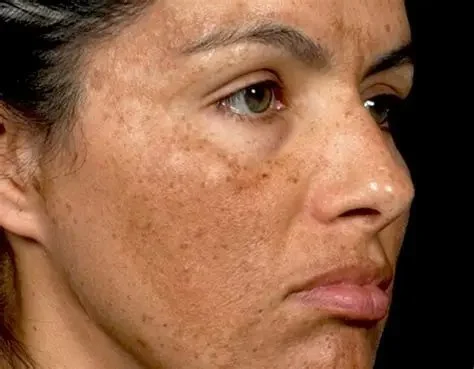
- understand-what-dark-spots-really-are - Understand What Dark Spots Really Are
- start-with-consistent-sunscreen-use - Start with Consistent Sunscreen Use
- use-vitamin-c-serums-daily - Use Vitamin C Serums Daily
- include-retinol-in-your-skincare-routine - Include Retinol in Your Skincare Routine
- try-exfoliation-with-chemical-acids - Try Exfoliation with Chemical Acids
- consult-a-dermatologist-for-targeted-treatments - Consult a Dermatologist for Targeted Treatments
- avoid-diy-lightening-hacks - Avoid DIY Lightening Hacks
- track-progress-patiently - Track Progress Patiently
- address-underlying-triggers - Address Underlying Triggers
- why-skin-care-experts-make-a-difference - Why SkinCare Experts Make a Difference
1. Understand What Dark Spots Really Are
Dark spots, also known as hyperpigmentation, appear when the skin produces excess melanin. They can result from sun exposure, inflammation, hormonal changes, acne, or even skin injuries. Before starting any treatment, it’s crucial to understand the root cause of your dark spots—this influences which treatments will be most effective.
2. Start with Consistent Sunscreen Use
This may not sound exciting, but sunscreen is your first defense in treating and preventing dark spots. UVA and UVB rays trigger more pigmentation, making existing spots worse. Choose a broad-spectrum SPF 30+ and reapply every two hours when outdoors. Without sun protection, even the best dark spot treatments won’t be effective.
3. Use Vitamin C Serums Daily
Vitamin C is one of the most popular ingredients for brightening skin and reducing dark spots naturally. It’s an antioxidant that inhibits melanin production and protects your skin from free radicals. Look for a stable formula with L-ascorbic acid and apply it in the morning before your moisturizer and sunscreen.
4. Include Retinol in Your Skincare Routine
4.1 Why Retinol Works
Retinol increases cell turnover, encouraging new, even-toned skin cells to replace damaged ones. Over time, this can fade dark spots and improve skin texture.
4.2 Caution for Beginners
Start slowly—use retinol 2–3 times a week to avoid irritation. Combine it with a rich moisturizer to counteract dryness and always wear sunscreen, as retinol can increase sun sensitivity.
5. Try Exfoliation with Chemical Acids
Instead of physical scrubs, chemical exfoliants like glycolic acid (AHA) or salicylic acid (BHA) help remove the top layer of dead skin cells that may be holding onto pigmentation. These acids speed up skin renewal, revealing fresher skin underneath. Use them 1–2 times per week for the best results.
6. Consult a Dermatologist for Targeted Treatments
6.1 Professional Options
For stubborn dark spots, a dermatologist can offer treatments like chemical peels, microdermabrasion, IPL therapy, or prescription creams such as hydroquinone. These are stronger than OTC options and often yield faster results.
6.2 Real Case Insight
Jasmine, a 34-year-old nurse in Toronto, battled melasma after pregnancy. After six months of using OTC serums with little effect, she consulted a dermatologist who prescribed a combination of tretinoin and azelaic acid. Within eight weeks, her skin tone visibly improved, and the dark patches began to fade.
7. Avoid DIY Lightening Hacks
From lemon juice to toothpaste masks, the internet is full of “natural” solutions that can backfire. Many of these ingredients are too harsh and can cause chemical burns, especially on sensitive skin. Always rely on science-backed products rather than viral trends that can do more harm than good.
8. Track Progress Patiently
Dark spots don’t fade overnight. Depending on their cause and depth, visible results may take 4–12 weeks. Taking progress photos and maintaining a consistent routine can help keep you motivated. Be patient and trust the process.
9. Address Underlying Triggers
9.1 Hormones and Skin
Conditions like melasma are often hormonally driven. Consult with your healthcare provider to explore internal causes if your pigmentation persists despite good skincare.
9.2 Inflammation or Acne
Post-inflammatory hyperpigmentation is common after breakouts. Preventing acne in the first place can reduce your chances of dark spots forming again.
10. Why SkinCare Experts Make a Difference
At SkinCare Experts, we believe no two skin journeys are alike. Our curated product selections, skincare service recommendations, and evidence-based advice are designed to help you fight dark spots effectively and safely. Whether you're just starting or have tried multiple options before, we help you find what works best for your unique skin.




 ProSkin5.0 (20 reviews)
 Especially Aesthetic0.0 (0 reviews)
 Cameron Dermatology4.0 (572 reviews)
 LillyFace Premium Skin Care5.0 (1 reviews)
 Wake Up & Make Up By Ann Located in own building4.0 (13 reviews)
 Tampa Bay Laser Lipo4.0 (55 reviews)
 Daily Skin Care Routine for Dark Circles in People Living in Dry Climates
 How to Avoid Oily Skin in People with Sensitive Skin – Dermatologist Tips & Daily Skincare Guide
 How To Soothe Cleansers to Improve Inflamed Skin Naturally and Effectively
 How to Deal with Uneven Skin Tone Using Natural Remedies
 Daily Skin Care Routine For Dull Skin In People With Sensitive Skin
 How To Soothe Redness Using Natural Remedies