
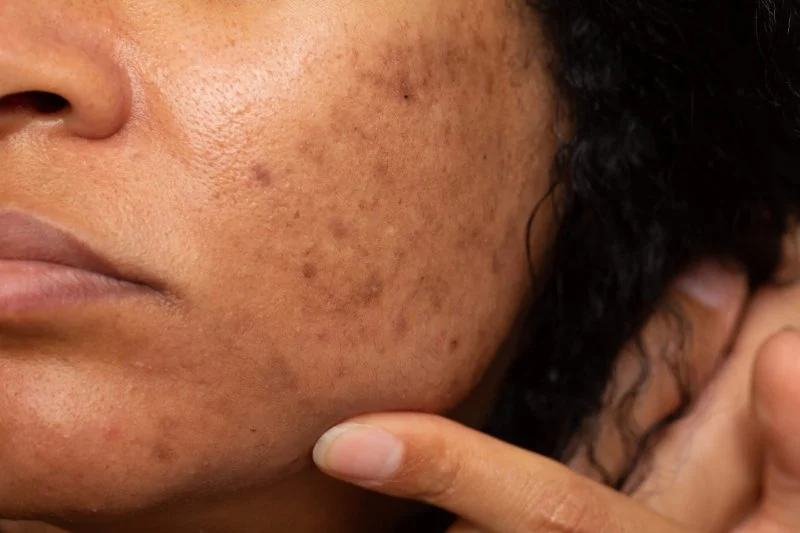
1. Understanding Why Pigmentation and Dark Spots Appear
Pigmentation and dark spots rarely show up without a reason. In most cases, they are the result of excess melanin production triggered by sun exposure, inflammation, hormonal changes, or past acne. For many people in the U.S., daily sun exposure is the biggest and most underestimated factor.
What makes pigmentation frustrating is that it often appears weeks after the original trigger. A healed pimple leaves a dark mark, or a summer vacation quietly results in uneven patches months later. Knowing this timeline helps set realistic expectations when choosing skin care products.
Learning how to treat pigmentation and dark spots with skin care products starts with patience. Skin responds to consistency, not quick fixes.
2. Different Types of Pigmentation You Might See
Not all dark spots are the same, and treating them effectively depends on understanding what you’re dealing with.
2.1 Post-Inflammatory Hyperpigmentation
These spots often follow acne, bug bites, or skin irritation. They appear flat, range from pink to deep brown, and are especially common in medium to deeper skin tones. The good news is that they respond well to targeted skin care when treated consistently.
2.2 Sun-Induced Dark Spots
Often called sun spots or age spots, these usually develop over years of sun exposure. They are more stubborn and tend to reappear if sun protection is inconsistent.
2.3 Hormonal Pigmentation
Conditions like melasma are linked to hormonal shifts and sun exposure combined. These patches are typically symmetrical and require a gentle, long-term approach rather than aggressive treatments.
3. Key Skin Care Ingredients That Help Fade Dark Spots
Effective treatment doesn’t rely on one miracle ingredient. Instead, it’s about combining proven actives in a skin-friendly way.
3.1 Brightening and Tone-Correcting Ingredients
Ingredients like vitamin C, niacinamide, and alpha arbutin help interrupt excess pigment production and improve overall brightness. These are commonly recommended by dermatologists because they work gradually without excessive irritation.
3.2 Gentle Exfoliation for Renewal
Chemical exfoliants such as AHAs and BHAs encourage cell turnover, allowing darkened cells to shed more efficiently. Overuse, however, often worsens pigmentation, which is why moderation matters more than strength.
3.3 Sun Protection as a Treatment Step
Sunscreen is not optional when treating pigmentation. Without daily sun protection, even the best products struggle to deliver visible improvement. Many people see better results simply by applying sunscreen consistently.
4. Building a Consistent Routine for Visible Results
A successful routine focuses on repetition, not complexity. Morning routines typically emphasize protection and prevention, while evening routines support repair and renewal.
4.1 Morning Focus: Protection and Balance
A gentle cleanser, followed by a brightening serum and sunscreen, sets the foundation. This daily protection prevents existing dark spots from deepening while supporting gradual fading.
4.2 Evening Focus: Repair and Correction
At night, targeted treatments such as exfoliants or pigment-correcting serums work best. Rotating actives rather than layering too many at once reduces irritation and supports long-term skin health.
4.3 Choosing Products That Match Your Skin Type
Sensitive skin often needs slower introductions and lower concentrations. Platforms like SkinCare Experts help people explore products and professional guidance tailored to different skin concerns and tolerance levels.
5. Real Experiences With Pigmentation Treatment
One widely shared skincare story involved a woman who struggled with post-acne marks for years. After simplifying her routine, focusing on sunscreen, and introducing niacinamide and gentle exfoliation, she noticed clearer tone within three months.
Another case involved sun spots that worsened after aggressive treatments. Once the approach shifted to barrier repair and sun protection, progress resumed steadily. These experiences reflect a common lesson: treating pigmentation is often about doing less, but doing it consistently.
6. Maintaining Results and Avoiding Future Dark Spots
Once dark spots fade, maintenance becomes the priority. Continuing sunscreen use, avoiding unnecessary irritation, and responding quickly to breakouts help prevent new pigmentation from forming.
Many people find that ongoing education and access to curated skin care options make long-term results easier to maintain. SkinCare Experts supports users in finding suitable products and expert insights that align with evolving skin needs.
When you truly understand how to treat pigmentation and dark spots with skin care products, the process feels manageable rather than overwhelming. With realistic expectations, the right ingredients, and steady habits, clearer and more even-looking skin becomes an achievable goal.




 Skin Care5.0 (20 reviews)
 Beauty Lab5.0 (63 reviews)
 The Facial Bar4.0 (47 reviews)
 Dermatology Specialists of Warrington4.0 (70 reviews)
 Esteem Skin Clinic4.0 (11 reviews)
 DCN Skincare5.0 (2 reviews)
 How to Treat Acne with Natural Remedies: Tips and Techniques
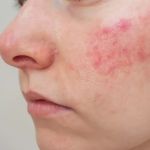 Natural Remedies for Rosacea Relief: How to Brighten Your Skin
 Best Practices for Hyaluronic Acid to Improve Blackheads
 How To Treat Acne And How To Manage It – SkinCare Experts
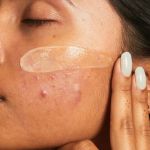 How to Avoid Inflamed Skin and Manage It Effectively
 How To Heal Sun Damage And How To Manage It | SkinCare Experts