

- 1. Understanding Sensitive Skin
- 2. Common Causes of Sensitive Skin
- 3. Essential Skincare Steps for Sensitive Skin
- 4. Choosing the Right Products for Sensitive Skin
- 5. Lifestyle Tips to Support Sensitive Skin
- 6. When to See a Dermatologist for Sensitive Skin
1. Understanding Sensitive Skin
Sensitive skin is a condition that affects many people, causing discomfort, redness, and irritation. Those with sensitive skin may experience reactions to certain environmental factors, skincare products, or even stress. It’s essential to understand the nature of sensitive skin in order to tailor a skincare routine that helps reduce irritation and maintain a healthy complexion.
Sensitive skin is often characterized by a heightened response to external triggers, such as weather changes, allergens, harsh chemicals, or even hot water. For people with sensitive skin, simple routines and gentle products are key to preventing flare-ups and ensuring comfort throughout the day.
2. Common Causes of Sensitive Skin
There are several factors that contribute to sensitive skin. Understanding these causes is vital for effectively managing the condition. Here are some common triggers:
- Environmental Factors: Harsh weather conditions, extreme temperatures, and pollution can irritate sensitive skin, leading to redness and dryness.
- Skin Conditions: Conditions like eczema, rosacea, and dermatitis can make skin more sensitive and prone to irritation.
- Harsh Skincare Products: Products with alcohol, fragrances, or strong chemicals can strip the skin’s natural oils, leading to dryness and irritation.
- Diet and Stress: Certain foods and high levels of stress can cause flare-ups, as they may affect the body’s inflammatory response.
3. Essential Skincare Steps for Sensitive Skin
When dealing with sensitive skin, less is often more. A simple skincare routine focused on gentle products can help calm irritation and maintain skin health. Here are essential steps to follow:
- Cleanse Gently: Choose a mild, soap-free cleanser that won’t strip the skin of its natural oils. Avoid products with harsh exfoliants or fragrances that can cause irritation.
- Moisturize Regularly: Sensitive skin tends to be drier, so moisturizing is key. Opt for a fragrance-free, hypoallergenic moisturizer that helps lock in moisture and strengthen the skin’s barrier.
- Sun Protection: Sunscreen is essential for sensitive skin, as sun exposure can cause irritation and worsen skin conditions. Look for a sunscreen with broad-spectrum protection and gentle ingredients like zinc oxide or titanium dioxide.
- Hydrate: Drink plenty of water throughout the day to keep your skin hydrated from the inside out. Hydration is especially important for maintaining skin elasticity and preventing dryness.
4. Choosing the Right Products for Sensitive Skin
Selecting the right products is crucial for managing sensitive skin. Harsh chemicals and fragrances can lead to irritation, so it’s important to opt for products that are gentle and soothing. Here are some tips for choosing the best products:
- Fragrance-Free: Choose fragrance-free products, as artificial scents can trigger irritation and allergic reactions.
- Hypoallergenic: Look for products labeled as hypoallergenic, which are specifically formulated to minimize the risk of allergic reactions.
- Non-Comedogenic: These products are less likely to clog pores and cause breakouts, which is important for sensitive skin that may be more prone to acne.
- Simple Ingredients: Opt for products with minimal ingredients. Look for soothing components like aloe vera, chamomile, and calendula, which can calm irritated skin.
5. Lifestyle Tips to Support Sensitive Skin
In addition to a tailored skincare routine, certain lifestyle habits can support the health of your sensitive skin. Here are some tips to integrate into your daily life:
- Manage Stress: Chronic stress can lead to flare-ups of sensitive skin, so incorporating stress-reduction techniques like meditation, yoga, or deep breathing can be beneficial.
- Avoid Hot Showers: Hot water can strip the skin of its natural oils, leading to dryness and irritation. Opt for lukewarm water when washing your face or taking showers.
- Maintain a Balanced Diet: Eating a healthy diet rich in vitamins and antioxidants, such as vitamin C and omega-3 fatty acids, can promote skin health and reduce inflammation.
- Get Enough Sleep: Adequate sleep allows your skin to repair and regenerate, helping to reduce the impact of sensitive skin over time.
6. When to See a Dermatologist for Sensitive Skin
If your sensitive skin is causing persistent discomfort, irritation, or worsening symptoms, it may be time to consult a dermatologist. A dermatologist can help identify underlying conditions like eczema, rosacea, or allergic reactions and recommend the appropriate treatments.
If home remedies and a simple skincare routine don’t provide relief, professional guidance can ensure that your sensitive skin is properly managed with personalized treatments. A dermatologist can also advise on prescription-strength products or therapies for managing flare-ups more effectively.






 GLO30 National Landing4.0 (218 reviews)
 Linda Lee Skin Care & Natural Nails5.0 (2 reviews)
 Carson Skin Rejuvenation5.0 (13 reviews)
 Charm's Aesthetics, LLC5.0 (5 reviews)
 Skin By Candace4.0 (13 reviews)
 Epiphany Dermatology4.0 (1746 reviews)
 How To Boost Your Skin's Sensitive Skin In People Living In Humid Climates
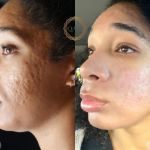 How To Repair Scars In People Over 40
 How To Brighten Sun Damage Effectively
 Top Tips for Fine Lines in Women: How to Manage and Reduce Them
 How To Reduce Dull Skin With A Simple Routine | Skincare Tips for Radiance
 How To Use Inflamed Skin Treatments for People with Combination Skin