
- Understanding Skin Infections
- Common Causes of Skin Infections
- How to Treat Skin Infections
- How to Prevent Skin Infections
- Real-Life Example: Preventing a Skin Infection
Understanding Skin Infections
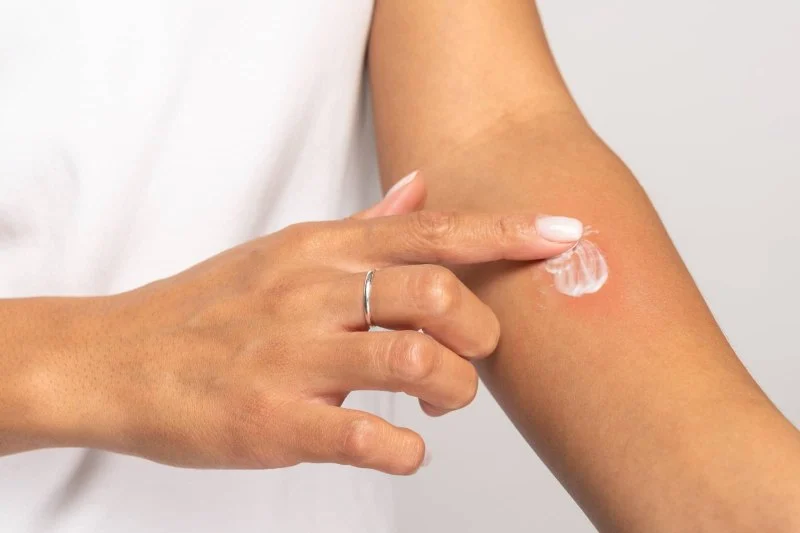
Skin infections are common conditions that can occur when harmful bacteria, fungi, or viruses enter the skin through cuts, abrasions, or other breaches in the skin’s surface. These infections can vary in severity, ranging from mild conditions such as acne to more serious infections like cellulitis or impetigo. Understanding the symptoms and causes of skin infections is the first step in both treating and preventing them effectively.
Common Causes of Skin Infections
Skin infections can be caused by various factors. Here are some of the most common causes:
1. Bacterial Infections
Bacterial infections, such as staph infections or impetigo, are among the most common skin infections. These occur when harmful bacteria enter the skin through cuts, scrapes, or even hair follicles. Staph infections can lead to boils or abscesses, while impetigo often presents as red sores around the nose or mouth.
2. Fungal Infections
Fungal infections like athlete’s foot, ringworm, and yeast infections occur when fungi infect the skin. These infections thrive in warm, moist environments, such as between the toes or in areas with tight clothing.
3. Viral Infections
Viral infections, such as cold sores caused by the herpes simplex virus or warts caused by the human papillomavirus (HPV), can also affect the skin. These infections may be contagious and can spread through direct contact or shared surfaces.
4. Poor Hygiene
Neglecting proper skin hygiene can increase the risk of developing skin infections. Regularly cleaning the skin and avoiding sharing personal items like towels or razors can help minimize this risk.
How to Treat Skin Infections
Prompt treatment of skin infections is essential to avoid complications. Depending on the type and severity of the infection, treatment options may vary.
1. Topical Antibiotics
For minor bacterial infections, over-the-counter antibiotics like Neosporin can be effective in treating the infection. These should be applied directly to the infected area after cleaning it thoroughly.
2. Oral Antibiotics
In cases of more severe bacterial infections, doctors may prescribe oral antibiotics to fight the infection from the inside out. It is essential to complete the full course of antibiotics as prescribed to ensure the infection is completely eradicated.
3. Antifungal Treatments
For fungal infections, antifungal creams or ointments are commonly used to treat the infection. In more persistent cases, oral antifungal medications may be prescribed to target the infection more effectively.
4. Antiviral Medications
If the infection is viral, antiviral medications may be recommended to reduce symptoms and prevent the spread of the infection. For example, cold sores caused by the herpes simplex virus can be treated with antiviral creams or oral medications.
How to Prevent Skin Infections
Prevention is key to maintaining healthy skin and avoiding skin infections. Here are some practical tips to help you protect your skin:
1. Maintain Good Hygiene
Regularly wash your skin with mild soap and water, especially after sweating or engaging in physical activities. Keeping your skin clean helps eliminate harmful bacteria and fungi.
2. Keep Skin Dry
Fungi thrive in warm, moist environments, so it’s important to keep your skin dry, especially in areas prone to moisture, like between your toes or under your arms. Using a towel to dry off after showers can help reduce the risk of fungal infections.
3. Wear Appropriate Clothing
Wearing loose-fitting, breathable clothing can reduce irritation and moisture buildup on your skin. If you're prone to skin infections, avoid tight clothing and synthetic fabrics that can trap moisture.
4. Protect Your Skin from Cuts and Scrapes
Whenever possible, protect your skin from injury. Wear protective gloves when handling sharp objects or engaging in activities that could cause cuts. If you do get a cut or scrape, clean it immediately with soap and water and cover it with a bandage to reduce the risk of infection.
5. Avoid Sharing Personal Items
Skin infections can spread through shared items such as towels, razors, and clothing. Make sure to avoid sharing personal items, particularly with people who have visible skin infections.
Real-Life Example: Preventing a Skin Infection
John, a 30-year-old athlete, used to get frequent fungal infections, particularly athlete’s foot, due to his intense training sessions and long hours in sweaty socks and shoes. After experiencing recurrent infections, he began to follow a strict routine of washing and drying his feet thoroughly, wearing moisture-wicking socks, and regularly using antifungal powder. As a result, John hasn’t experienced an athlete’s foot outbreak in over a year, demonstrating the effectiveness of preventive measures.
By following proper hygiene practices and taking proactive steps to protect your skin, you can reduce the risk of developing infections and keep your skin healthy. For more personalized skincare advice and the best products to protect your skin, visit SkinCare Experts for recommendations on effective treatments and products.






 Magnolia Skin Spa LLC5.0 (24 reviews)
 Designer Aesthetics by Dr. Jarrett Schanzer5.0 (13 reviews)
 Wildflower Apothecary5.0 (4 reviews)
 Everything Skin and Beauty5.0 (13 reviews)
 B.Clear Aesthetics5.0 (128 reviews)
 PuraDerm Aesthetics4.0 (12 reviews)
 How To Balance Dark Circles And How To Manage It Naturally and Effectively
 How To Repair Sun Damage Effectively With Proven Skincare and Professional Treatments
 Top Tips For Vitamin C Serum For Redness Skin: How To Choose & Use
 Expert Advice On Dark Spots: What You Need To Know
 How To Achieve Large Pores: What You Need To Know
 Best Skin Care Routine For Your Scars With These 7 Tips