
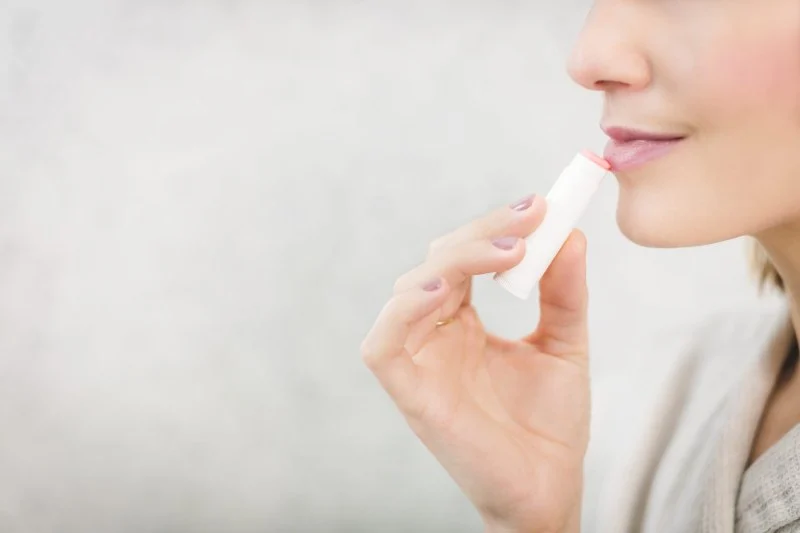
1. Understanding Cold Sores and Their Causes
Cold sores, also known as fever blisters, are caused by the herpes simplex virus (HSV), typically HSV-1. These blisters usually appear on or around the lips but can also occur in other areas of the face and inside the mouth. Cold sores are contagious, and once you’ve contracted the virus, it remains in your system, lying dormant until triggered by factors such as stress, illness, or exposure to sunlight.
The virus can be spread through direct contact, such as kissing or sharing utensils. While cold sores are not typically dangerous, they can be painful, unsightly, and recurrent. Understanding their causes and triggers is the first step in prevention and treatment.
2. How to Prevent Cold Sores with Proper Skin Care
While you cannot completely eliminate the risk of developing cold sores, there are several strategies you can employ to reduce the likelihood of an outbreak:
- Protect your lips from the sun: UV rays can trigger cold sore outbreaks. Using lip balm with SPF 30 or higher can help prevent sunburn and reduce the risk of developing cold sores caused by sun exposure.
- Manage stress: Stress is a known trigger for cold sore outbreaks. Incorporating stress-reducing techniques such as meditation, yoga, or regular exercise into your routine can help lower your risk.
- Boost your immune system: A strong immune system helps keep the herpes simplex virus dormant. Eating a balanced diet, getting enough sleep, and exercising regularly are key to maintaining a healthy immune system.
- Avoid direct contact with infected individuals: Since cold sores are contagious, it’s crucial to avoid close contact with anyone experiencing an outbreak. Avoid kissing, sharing personal items like towels or utensils, and be cautious around anyone with visible cold sores.
3. Effective Treatments for Cold Sores
If you already have a cold sore or are experiencing the first signs of an outbreak, there are treatments available to help manage the condition:
- Topical antiviral creams: Over-the-counter creams like acyclovir or docosanol can help reduce the severity of the cold sore and speed up healing. Apply the cream as soon as you notice symptoms for the best results.
- Oral antiviral medications: If you have frequent or severe cold sore outbreaks, your doctor may prescribe oral antiviral medications, such as valacyclovir or famciclovir, to prevent or reduce the duration of outbreaks.
- Cold compress: Applying a cold compress to the affected area can help reduce swelling and provide relief from pain. Use a clean cloth with cold water and gently press it against the cold sore for a few minutes.
- Pain relief medications: Over-the-counter pain relievers like ibuprofen or acetaminophen can help reduce discomfort associated with cold sores.
4. Skin Care Routine to Help Treat and Prevent Cold Sores
Incorporating a dedicated skin care routine can help you manage cold sores and prevent new outbreaks:
- Gentle cleansing: Use a gentle, non-irritating cleanser to wash your face. Harsh soaps can dry out your skin and trigger an outbreak. Look for a cleanser that is free of alcohol and artificial fragrances.
- Hydration: Keeping your skin hydrated is essential, especially if you’re using antiviral creams that can dry out the affected area. Use a moisturizing balm or ointment to keep the skin around the cold sore moist and prevent cracking.
- Soothing products: Aloe vera gel or chamomile-infused creams can soothe irritation and help calm the inflamed area. These products promote healing and reduce redness and discomfort.
- Avoid touching the cold sore: Avoid touching or picking at cold sores, as this can cause further irritation and spread the virus. Make sure to wash your hands thoroughly after applying any creams or touching the affected area.
5. When to Consult a Doctor for Cold Sores
While cold sores are usually manageable at home, there are instances when you should consult a doctor:
- If you experience frequent or severe outbreaks.
- If the cold sores don’t heal after 10-14 days or worsen.
- If you have a weakened immune system due to medication or other health conditions.
- If you develop cold sores near your eyes or genitals, as these areas are more sensitive and require medical attention.
6. Why Choose SkinCare Experts for Cold Sore Treatments
At SkinCare Experts, we offer a range of effective products for treating and preventing cold sores. From antiviral creams to soothing balms, our products are designed to help reduce pain and promote healing. Our experts are available to guide you in choosing the right treatment for your skin type and needs. Visit SkinCare Experts today to find the best products and advice for managing cold sores and maintaining healthy, radiant skin.



 Nani Esthetics by Dasia0.0 (0 reviews)
 Skin Spa Symposium, L.L.C.5.0 (30 reviews)
 Wished Skin Aesthetics Studio5.0 (35 reviews)
 phnxSKN5.0 (18 reviews)
 Skin Tightening Solution3.0 (2 reviews)
 Avant Esthetic Skin Solutions3.0 (11 reviews)
 How To Treat Wrinkles Using Natural Remedies: Expert Tips and Solutions
 Everything You Need To Know About Uneven Skin Tone And How To Manage It
 Skin Care Tips for Your Age Spots With These 7 Tips – Expert Solutions
 How To Heal Redness Effectively
 The Best Skin Care Products for Soothing and Calming Your Skin
 How to Choose the Right Dry Skin Care Products for People Living in Humid Climates