
- 1 - Understanding Large Pores
- 2 - Why Some People Have Large Pores
- 3 - Common Causes of Large Pores
- 4 - Skincare Treatments for Large Pores
- 5 - How to Prevent and Reduce Large Pores
- 6 - When to Consult a Skincare Professional
1 - Understanding Large Pores
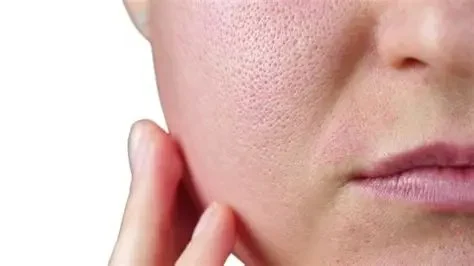
Pores are small openings on the skin's surface that allow sweat and oil to reach the surface. While pores are essential for skin health, when they appear large, they can become a cosmetic concern for many people. Large pores can make your skin look uneven or textured, especially on the face, where they are most visible. It’s important to understand that pores don’t actually grow or shrink; their size can appear to change based on factors such as skin type, genetics, and environmental influences.
1.1 - The Role of Pores in Skin Health
Pores serve an important function by allowing the skin to release oil and sweat. This natural process helps to keep the skin hydrated and protected. However, when pores become clogged with excess oil, dirt, or dead skin cells, they can appear larger. Healthy pores are essential for maintaining balanced, clear skin.
2 - Why Some People Have Large Pores
Many factors can contribute to the appearance of enlarged pores. Some people are genetically predisposed to have larger pores, while others may experience pore enlargement due to lifestyle habits, environmental factors, or skin conditions.
2.1 - Genetics
Genetics plays a major role in pore size. If your parents or close family members have large pores, there’s a higher likelihood that you may have them as well. In this case, large pores may simply be a natural feature of your skin.
2.2 - Skin Type
People with oily skin are more likely to have large pores. Oily skin tends to produce more sebum (skin oil), which can build up and stretch the pores, making them more visible. On the other hand, individuals with dry or combination skin might not experience the same pore size issues.
2.3 - Hormones
Hormonal fluctuations, such as those that occur during puberty, menstruation, or pregnancy, can lead to increased oil production in the skin. This excess oil can clog pores, causing them to enlarge over time.
3 - Common Causes of Large Pores
Several common causes can contribute to enlarged pores. These include excessive oil production, sun damage, improper skincare, and skin conditions. By understanding the underlying causes, you can take steps to reduce their appearance.
3.1 - Excessive Oil Production
As mentioned earlier, oily skin produces more sebum, which can clog pores and cause them to appear larger. If the sebum isn’t removed properly from the skin’s surface, it can cause pores to stretch and become more noticeable.
3.2 - Sun Damage
Prolonged sun exposure can damage the skin’s elasticity and collagen. This can lead to the loss of skin firmness and cause the pores to look larger. Protecting your skin with sunscreen and limiting sun exposure can help prevent this damage.
3.3 - Poor Skincare Habits
Improper skincare routines can lead to clogged pores. If you don’t cleanse your skin regularly, dead skin cells and oil can build up, causing the pores to become blocked and enlarged. Over-exfoliating or using harsh skincare products can also irritate the skin and exacerbate the appearance of large pores.
3.4 - Acne and Other Skin Conditions
Acne and other skin conditions like rosacea or seborrheic dermatitis can contribute to enlarged pores. Acne causes inflammation and the accumulation of oil and bacteria in the pores, while other skin conditions can affect the skin’s texture, making the pores appear larger.
4 - Skincare Treatments for Large Pores
If you’re struggling with enlarged pores, several skincare treatments can help reduce their appearance. These treatments target the underlying causes of large pores, including excess oil, clogged pores, and loss of skin elasticity.
4.1 - Gentle Cleansing
Using a gentle, non-comedogenic cleanser is essential for removing dirt, oil, and dead skin cells that can clog pores. Regular cleansing helps prevent the buildup of impurities and keeps the skin’s surface smooth.
4.2 - Exfoliation
Exfoliating your skin helps remove dead skin cells that can accumulate in the pores. This process encourages cell turnover and unclogs pores. Be careful not to over-exfoliate, as this can irritate the skin and make pores appear even larger.
4.3 - Clay Masks
Clay masks are a popular treatment for oily and clogged skin. They work by absorbing excess oil and drawing impurities out of the pores. Using a clay mask once or twice a week can help keep your pores clear and reduce their appearance.
4.4 - Retinoids
Retinoids are a class of vitamin A derivatives that can help reduce the appearance of large pores. They work by increasing collagen production, improving skin texture, and preventing clogged pores. Retinoids can be found in both over-the-counter and prescription-strength treatments.
5 - How to Prevent and Reduce Large Pores
While you can’t permanently shrink your pores, there are several steps you can take to reduce their appearance and prevent them from becoming enlarged in the first place:
5.1 - Keep Your Skin Clean
Regularly washing your face with a gentle cleanser helps remove excess oil, dirt, and dead skin cells that can clog your pores. Cleanse your face twice daily, especially if you wear makeup or sunscreen, to prevent buildup.
5.2 - Use Non-Comedogenic Products
Non-comedogenic skincare products are specifically designed not to clog pores. When selecting moisturizers, sunscreens, and makeup, look for products labeled “non-comedogenic” to ensure they won’t contribute to pore enlargement.
5.3 - Protect Your Skin from the Sun
Sun protection is crucial for preventing the breakdown of collagen and maintaining the firmness of your skin. Use a broad-spectrum sunscreen with an SPF of at least 30, and wear protective clothing or seek shade when exposed to direct sunlight.
6 - When to Consult a Skincare Professional
If your enlarged pores are persistent or if you have concerns about your skin’s health, it’s a good idea to consult with a skincare professional. A dermatologist or licensed aesthetician can recommend personalized treatments, such as chemical peels, microneedling, or laser therapy, to help reduce the appearance of large pores.
For expert skincare advice and recommendations, visit SkinCare Experts for the best products and treatments to help address large pores and improve your skin’s appearance.

 GLO30 National Landing4.0 (218 reviews)
 Linda Lee Skin Care & Natural Nails5.0 (2 reviews)
 Carson Skin Rejuvenation5.0 (13 reviews)
 Charm's Aesthetics, LLC5.0 (5 reviews)
 Skin By Candace4.0 (13 reviews)
 Epiphany Dermatology4.0 (1746 reviews)
 How To Boost Your Skin's Sensitive Skin In People Living In Humid Climates
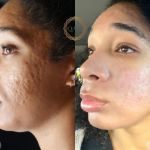 How To Repair Scars In People Over 40
 How To Brighten Sun Damage Effectively
 Top Tips for Fine Lines in Women: How to Manage and Reduce Them
 How To Reduce Dull Skin With A Simple Routine | Skincare Tips for Radiance
 How To Use Inflamed Skin Treatments for People with Combination Skin