
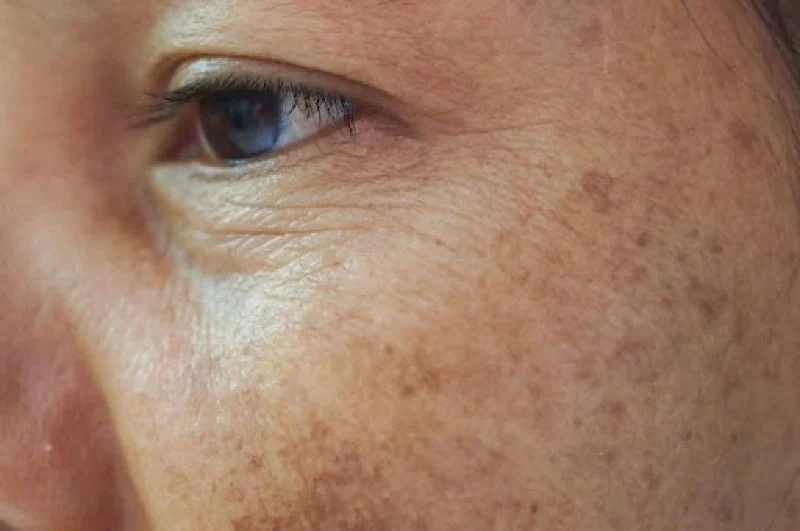
- understanding-what-causes-dark-spots
- key-types-of-dark-spots-you-should-recognise
- expert-recommendations-for-treatment-and-prevention
- real-people-real-solutions-spotlight-stories
- when-to-consult-a-professional-and-get-help-from-skincare-experts
1. Understanding What Causes Dark Spots
Dark spots—also known as hyperpigmentation—are areas of skin that become darker than the surrounding tissue due to excess melanin production. While they’re not typically harmful, they can be distressing, especially when they appear on the face or hands. In the U.S., common causes include prolonged sun exposure, hormonal fluctuations (like melasma during pregnancy), acne scarring, and skin injuries.
Age-related dark spots are another concern, especially among those over 40. They are often referred to as "liver spots," though they have nothing to do with liver function. The science behind these marks is rooted in the skin’s attempt to protect itself—producing more pigment as a defence mechanism against UV radiation.
2. Key Types of Dark Spots You Should Recognise
Post-inflammatory Hyperpigmentation (PIH): Often occurs after acne, burns, or skin trauma. It’s more common in individuals with darker skin tones due to higher melanin levels.
Sunspots: Flat, brown spots usually found on areas frequently exposed to sunlight, such as the forehead, cheeks, or shoulders.
Melasma: Typically triggered by hormonal changes and appears as patchy brown areas, particularly on the cheeks, forehead, and upper lip. Women who are pregnant or on hormonal contraceptives are most at risk.
Freckles: While generally harmless and often genetic, they can darken with sun exposure and may be confused with other types of pigmentation.
3. Expert Recommendations for Treatment and Prevention
Dealing with dark spots requires a personalised approach. Experts recommend starting with daily sunscreen use. UV protection is non-negotiable, regardless of your treatment plan, as sun exposure will worsen pigmentation.
For treatment, dermatologists often advise:
Topical Ingredients: Look for serums or creams containing Vitamin C, niacinamide, kojic acid, azelaic acid, or hydroquinone (prescription only). These target melanin production at the cellular level.
Chemical Peels and Microdermabrasion: These exfoliate the upper layers of skin, reducing the appearance of dark patches. Best administered under professional supervision.
Laser Therapy: This high-tech option targets pigment clusters and is effective for sunspots and deeper hyperpigmentation—but it’s not ideal for all skin tones, so always consult a qualified professional first.
Combining treatments with proper skin hydration and barrier repair can enhance results. For tailored skincare solutions, SkinCare Experts offers access to vetted products and professionals who understand your skin type and needs.
4. Real People, Real Solutions: Spotlight Stories
Take Laura, a 34-year-old graphic designer from California. After developing melasma postpartum, she turned to over-the-counter brightening products with minimal success. A consultation with a board-certified dermatologist led her to a custom mix of retinol and azelaic acid, coupled with broad-spectrum SPF 50. "Within three months, I saw a massive difference. The patches faded, and my confidence returned," she shares.
Or Jamal, a 28-year-old fitness coach, who dealt with PIH after acne. Using a niacinamide and vitamin C combination serum, recommended by a skincare advisor, helped lighten his scars within six weeks. His biggest tip? “Patience and consistency—don’t expect overnight miracles.”
5. When to Consult a Professional and Get Help from SkinCare Experts
If your dark spots persist despite home care, worsen over time, or appear suddenly and asymmetrically, it's time to seek professional advice. Some conditions, such as melanoma, can mimic the appearance of benign pigmentation, so a medical evaluation is crucial.
At SkinCare Experts, you can connect with trusted dermatologists and estheticians who specialise in treating all types of hyperpigmentation. From diagnostic support to product guidance, our platform empowers you to make informed decisions about your skin’s health.
Dark spots may be common, but they don’t have to be permanent. With expert care, consistent routines, and trusted support, brighter, more even-toned skin is within reach.
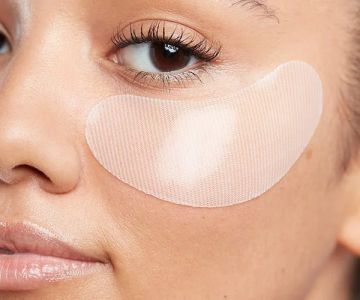
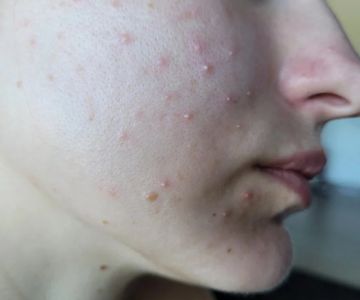


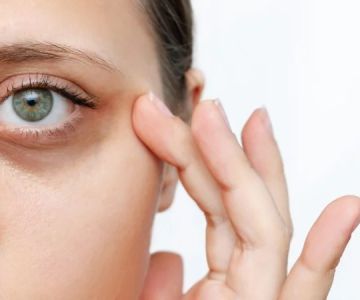

 ProSkin5.0 (20 reviews)
 Especially Aesthetic0.0 (0 reviews)
 Cameron Dermatology4.0 (572 reviews)
 LillyFace Premium Skin Care5.0 (1 reviews)
 Wake Up & Make Up By Ann Located in own building4.0 (13 reviews)
 Tampa Bay Laser Lipo4.0 (55 reviews)
 Daily Skin Care Routine for Dark Circles in People Living in Dry Climates
 How to Avoid Oily Skin in People with Sensitive Skin – Dermatologist Tips & Daily Skincare Guide
 How To Soothe Cleansers to Improve Inflamed Skin Naturally and Effectively
 How to Deal with Uneven Skin Tone Using Natural Remedies
 Daily Skin Care Routine For Dull Skin In People With Sensitive Skin
 How To Soothe Redness Using Natural Remedies