
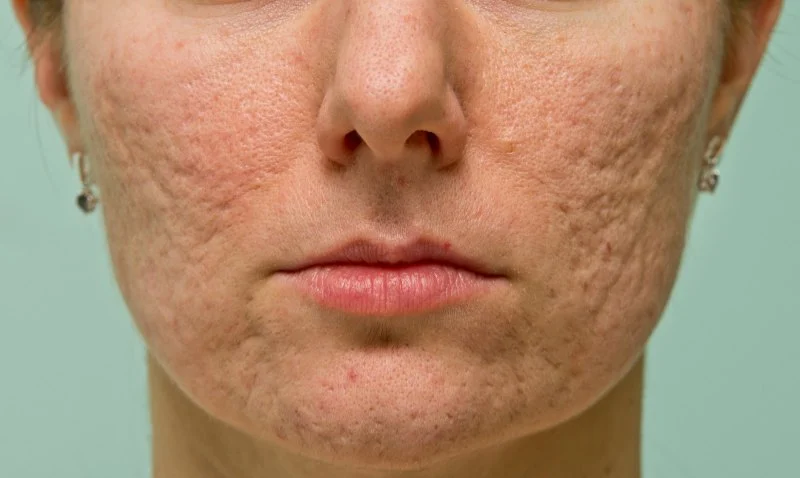
- Understanding Acne Scarring and Skin Discoloration
- Effective Treatments for Acne Scarring
- Preventing Skin Discoloration from Acne
- Skincare Tips for Reducing Acne Scars
- Real-Life Success Stories
1. Understanding Acne Scarring and Skin Discoloration
Acne is a common skin condition that can leave lasting marks on your skin, including scarring and discoloration. While acne scars are often permanent, the discoloration caused by acne can be treated and reduced with the right approach. Acne scarring generally occurs after the skin has healed from an acne breakout, leading to either hyperpigmentation (dark spots) or hypopigmentation (lighter areas) on the skin.
1.1 Types of Acne Scars
There are two main types of acne scars: atrophic and hypertrophic. Atrophic scars are depressed, often appearing as pits or indentations on the skin. Hypertrophic scars, on the other hand, are raised and may result from more severe acne. Understanding which type of acne scars you have will help you choose the most effective treatment options.
1.2 Skin Discoloration vs. Scarring
Skin discoloration, or post-inflammatory hyperpigmentation (PIH), refers to the dark spots left behind after an acne breakout. Unlike scars, discoloration typically fades with time, but it can take weeks or months for the skin to return to its natural tone. The good news is that with the right skincare, you can speed up this process and help your skin heal more evenly.
2. Effective Treatments for Acne Scarring
While acne scars may require professional treatments for full recovery, several effective home remedies and over-the-counter products can help reduce their appearance over time.
2.1 Chemical Peels
Chemical peels involve the application of a chemical solution to the skin, which exfoliates and removes damaged skin layers. This treatment helps to smooth out scars and even out skin tone. Glycolic acid and salicylic acid peels are particularly effective for treating acne scars, as they promote skin renewal and collagen production.
2.2 Microneedling
Microneedling, also known as collagen induction therapy, uses fine needles to create tiny punctures in the skin. This process stimulates collagen production and promotes the healing of acne scars. Microneedling can be done at home with a dermaroller, but for best results, it's recommended to visit a dermatologist for professional treatments.
2.3 Laser Treatments
Laser treatments, such as fractional CO2 or laser resurfacing, are advanced options for treating deep acne scars. These procedures target the skin's deeper layers, stimulating collagen production and improving the texture of the skin. While effective, laser treatments typically require some downtime and can be costly.
3. Preventing Skin Discoloration from Acne
Preventing discoloration from acne is crucial to avoid the long-lasting effects of hyperpigmentation. The following steps can help reduce the risk of developing dark spots:
3.1 Avoid Picking or Squeezing Pimples
One of the best ways to prevent scarring and discoloration is to avoid picking or squeezing your pimples. Picking at acne can cause further irritation and increase the risk of infection, leading to more severe scarring. It’s important to let the pimple heal naturally, even though it can be tempting to pop it.
3.2 Use Sunscreen Daily
Sun exposure can darken acne scars and increase the appearance of discoloration. Applying a broad-spectrum sunscreen with SPF 30 or higher every day, even when it’s cloudy, can help prevent further skin damage and reduce hyperpigmentation. Sunscreen is essential for protecting the skin and promoting healing after an acne breakout.
3.3 Use Products with Skin-Brightening Ingredients
Certain ingredients in skincare products, such as vitamin C, niacinamide, and licorice extract, can help lighten hyperpigmentation and even out skin tone. Look for serums or creams that contain these ingredients, as they can accelerate the fading of dark spots and improve overall skin brightness.
4. Skincare Tips for Reducing Acne Scars
In addition to the treatments mentioned above, daily skincare habits play a key role in reducing acne scars and promoting smoother skin.
4.1 Gentle Cleansing
Using a gentle, non-comedogenic cleanser will help keep your skin clean without irritating or drying it out. Avoid harsh scrubs or cleansers that can worsen acne and leave your skin feeling tight or inflamed. Gentle cleansing helps maintain the skin's natural moisture barrier and allows treatments to work more effectively.
4.2 Exfoliation
Exfoliating your skin with gentle exfoliants like alpha hydroxy acids (AHAs) or beta hydroxy acids (BHAs) can help remove dead skin cells and promote cell turnover. This helps fade dark spots and smooth out uneven skin texture. However, avoid over-exfoliating, as it can irritate the skin and worsen acne.
4.3 Moisturizing
Moisturizing is crucial for maintaining skin hydration and supporting the healing process. Look for moisturizers that are non-comedogenic and suitable for your skin type. A good moisturizer will help keep your skin soft, supple, and balanced, which is essential for reducing scarring.
5. Real-Life Success Stories
Many people have successfully treated their acne scars by following a consistent skincare routine and incorporating professional treatments. Here are a few success stories:
5.1 Sarah’s Journey to Clearer Skin
After struggling with cystic acne during her teenage years, Sarah noticed significant scarring and discoloration on her cheeks. She decided to try microneedling and regularly used a vitamin C serum to brighten her skin. After several months of treatment, Sarah saw remarkable improvement in both the texture and tone of her skin, with much of the discoloration fading away.
5.2 John’s Success with Chemical Peels
John had deep acne scars on his forehead that made him feel self-conscious. He consulted a dermatologist and began a series of glycolic acid chemical peels. After a few treatments, his scars appeared much less pronounced, and his skin texture was visibly smoother. John continues to use sunscreen daily to prevent further discoloration.
Conclusion
Treating and preventing skin discoloration from acne scarring is a journey, but with the right approach, you can achieve smoother, more even-toned skin. Whether you opt for professional treatments or implement at-home remedies, consistency is key. Don’t forget to protect your skin from the sun, use the right products, and be patient with the healing process. For personalized skincare recommendations, visit SkinCare Experts for the best products tailored to your needs.

 Whipped Body Butters & Soaps5.0 (1 reviews)
 Face Skin Care0.0 (0 reviews)
 Esthetics and Beyond0.0 (0 reviews)
 The Wax Shack and Skin Care Studio4.0 (12 reviews)
 Grand Cosmetic Clinic4.0 (86 reviews)
 DiSilk Beauty Company5.0 (25 reviews)
 How to Prevent and Treat Cold Sores with Proper Skin Care
 Expert Advice on Hyaluronic Acid to Improve Dark Circles
 How to Treat Skin Discoloration with the Best Brightening Products
 How To Choose The Right Natural Remedies for Large Pores
 Best Practices For Puffy Eyes Using Natural Remedies
 Best Practices For Wrinkles For Women