
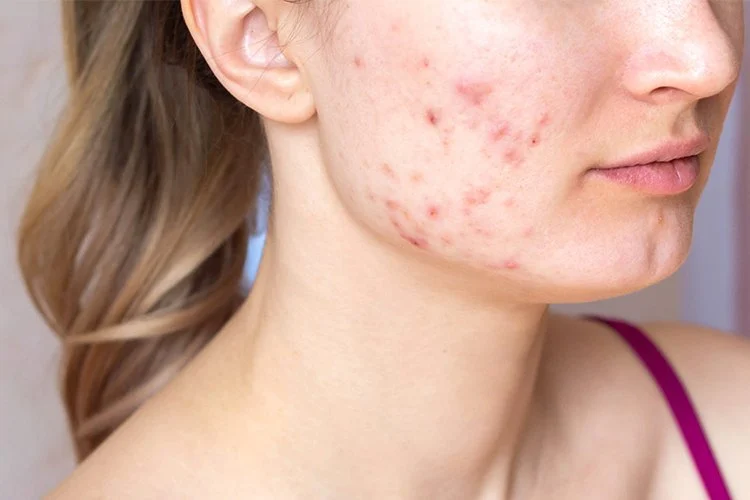
- 1. Understanding Acne and Its Causes
- 2. Natural Skincare Solutions for Acne Breakouts
- 3. Acne Treatment: Home Remedies to Try
- 4. Preventing Future Acne Breakouts
- 5. When to See a Skin Care Professional
1. Understanding Acne and Its Causes
Acne is one of the most common skin conditions, affecting people of all ages. It primarily occurs when hair follicles get clogged with oil, dead skin cells, and bacteria, leading to the formation of pimples, blackheads, and cysts. While acne is often associated with puberty, adults can experience acne too, often due to hormonal imbalances, stress, or even diet.
Understanding the underlying causes of acne can help you address it more effectively. Acne is typically triggered by increased oil production, clogged pores, and bacterial growth on the skin. Hormonal changes, such as those occurring during menstruation, pregnancy, or the use of certain medications, can also contribute to acne breakouts.
2. Natural Skincare Solutions for Acne Breakouts
If you're looking for simple, natural skincare solutions to treat acne breakouts, you're in luck! Many natural ingredients have been proven to help reduce inflammation, fight bacteria, and clear clogged pores without the harsh chemicals found in some commercial products. Here are some of the best natural remedies for acne:
2.1 Tea Tree Oil
Tea tree oil is known for its antibacterial and anti-inflammatory properties. Applying a small amount of diluted tea tree oil to affected areas can help reduce acne-causing bacteria and inflammation. Be sure to dilute it with a carrier oil, such as coconut oil, to avoid skin irritation.
2.2 Aloe Vera
Aloe vera is a soothing ingredient that can help calm inflamed skin and reduce redness associated with acne. It also has antibacterial properties that can prevent new breakouts from forming. Apply fresh aloe vera gel directly to your skin after cleansing, and leave it on for 10–15 minutes before rinsing off.
2.3 Honey
Honey is a natural humectant, meaning it helps draw moisture into the skin, keeping it hydrated while also fighting acne-causing bacteria. Its anti-inflammatory properties can help reduce swelling and redness in acne-affected areas. Apply a thin layer of raw honey to your face and leave it on for 15–20 minutes before washing it off.
2.4 Green Tea
Green tea is rich in antioxidants that can help reduce inflammation and fight bacteria on the skin. Studies have shown that applying green tea extract to acne-prone skin can help reduce the number of pimples and prevent new ones from forming. You can also drink green tea to benefit from its internal anti-inflammatory properties.
3. Acne Treatment: Home Remedies to Try
In addition to natural skincare solutions, several home remedies can help you manage acne breakouts. Here are a few treatments to consider:
3.1 Ice Compress
If you have an inflamed pimple or cyst, applying an ice compress can help reduce swelling and redness. Wrap some ice in a cloth and apply it to the affected area for 5–10 minutes to help soothe inflammation and improve blood circulation to the skin.
3.2 Apple Cider Vinegar
Apple cider vinegar has antimicrobial properties that can help balance the skin’s pH and prevent bacteria from causing acne breakouts. Dilute the vinegar with water (about 1 part vinegar to 3 parts water) and apply it to your skin using a cotton ball. Be sure to patch-test it first to avoid irritation.
3.3 Lemon Juice
Lemon juice has natural astringent properties and can help reduce excess oil on the skin, preventing clogged pores. It also has mild exfoliating properties that can help remove dead skin cells. However, lemon juice can make your skin sensitive to the sun, so be sure to apply sunscreen if you use it.
4. Preventing Future Acne Breakouts
While treating existing acne is essential, preventing future breakouts is just as important. Here are some tips to help you avoid acne in the future:
4.1 Cleanse Your Skin Regularly
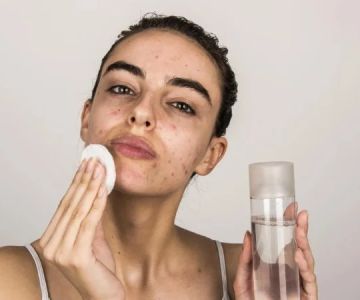
Maintaining a consistent skincare routine is essential for keeping your skin clear. Gently cleanse your face twice a day—once in the morning and once at night—to remove excess oil, dirt, and dead skin cells. Be sure to choose a mild, non-comedogenic cleanser that won’t clog your pores.
4.2 Avoid Touching Your Face
Touching your face with dirty hands can transfer bacteria and oil, leading to breakouts. Try to avoid touching your face throughout the day, especially if you’ve been touching objects or surfaces that may have germs.
4.3 Use Non-Comedogenic Products
When choosing skincare products, make sure they are labeled as "non-comedogenic," which means they won’t clog your pores. Opt for oil-free moisturizers, makeup, and sunscreen to prevent future acne breakouts.
5. When to See a Skin Care Professional
While natural remedies and home treatments can work wonders for many, there are times when professional help is necessary. If you’ve tried over-the-counter treatments and your acne persists or worsens, it’s time to see a dermatologist. A professional can assess your skin, recommend prescription treatments, and help you manage chronic acne.
In addition, if you experience severe cystic acne or acne that leaves scarring, it’s crucial to seek professional treatment to prevent long-term skin damage.
Acne doesn’t have to control your life. By incorporating simple and natural skincare solutions into your routine, you can manage breakouts effectively and maintain clear, healthy skin. For more expert tips and the best skincare products, visit SkinCare Experts for the best solutions tailored to your needs.

 Holistic Wellness and Beauty5.0 (9 reviews)
 Aesthetic by Nevette Ramos0.0 (0 reviews)
 Skin Sense Body Balance5.0 (10 reviews)
 Skin Magic by Kim LLC5.0 (30 reviews)
 Mary Matts Skin0.0 (0 reviews)
 Rapaport Dermatology - Culver City5.0 (171 reviews)
 How To Use Inflamed Skin Treatments for People with Combination Skin
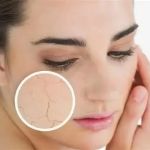 Skin Care Tips For Acne In People With Dry Skin
 Tips for Sensitive Skin With Redness in Teens – Calm and Care Effectively
 How to Use Lactic Acid to Exfoliate and Hydrate Your Skin: A Complete Guide
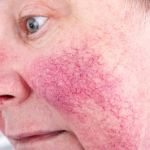 How to Repair Rosacea in People with Combination Skin
 Best Skin Care Routine for Uneven Skin Tone Effectively