
- 1. Understanding Rosacea in People with Combination Skin
- 2. Challenges of Managing Rosacea with Combination Skin
- 3. Best Treatment Options for Rosacea in Combination Skin
- 4. Skincare Routine for Managing Rosacea and Combination Skin
- 5. When to Consult a Dermatologist for Rosacea Treatment
1. Understanding Rosacea in People with Combination Skin
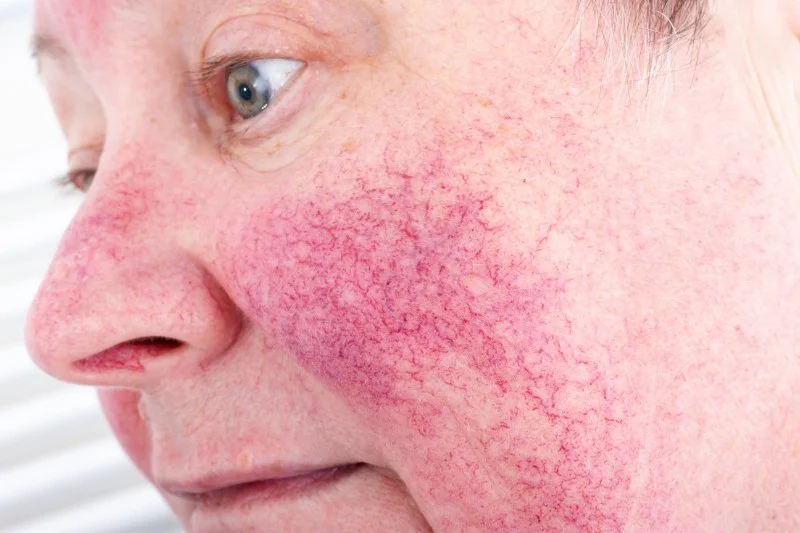
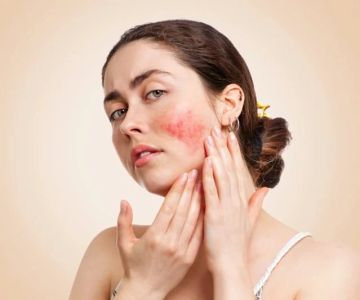
Rosacea is a common skin condition that causes redness, visible blood vessels, and sometimes pimples on the face. While anyone can develop rosacea, it’s particularly challenging for those with combination skin. Combination skin refers to a skin type that has both dry and oily areas, often with an oily T-zone (forehead, nose, and chin) and drier cheeks.
For people with combination skin, rosacea can appear in the T-zone, exacerbated by the overproduction of oil, or on the cheeks, where the skin is drier and more sensitive. The main challenge is managing both the oiliness and dryness while addressing rosacea symptoms, which can require careful balance in treatment.
2. Challenges of Managing Rosacea with Combination Skin
One of the most significant challenges in treating rosacea for those with combination skin is finding products that work for both the oily and dry areas without irritating the skin. The wrong products can make rosacea flare-ups worse, especially when they contain harsh ingredients that dry out the skin or overhydrate it.
For example, using a product meant for oily skin might worsen dryness in certain areas, while using a product meant for dry skin might contribute to clogged pores and worsen oiliness in other areas. As a result, managing rosacea in combination skin often requires more personalized skincare strategies that target the unique needs of both skin types.
3. Best Treatment Options for Rosacea in Combination Skin
When dealing with rosacea on combination skin, it’s crucial to choose treatments that are gentle, non-irritating, and suitable for your skin’s varying needs. Here are some of the most effective treatment options:
- Topical Medications: Doctors often recommend topical treatments like metronidazole or azelaic acid, which are both effective in reducing inflammation and redness. These medications can help manage rosacea flare-ups without causing further irritation, making them suitable for combination skin.
- Oral Medications: In some cases, oral antibiotics like tetracycline or doxycycline may be prescribed to reduce inflammation and bacteria that contribute to rosacea. These medications are often used when topical treatments aren’t enough to control symptoms.
- Laser Therapy: For severe rosacea or persistent redness, laser treatments like intense pulsed light (IPL) therapy can help reduce visible blood vessels and the overall redness. This treatment can be beneficial for those with combination skin who also suffer from broken capillaries or persistent redness.
4. Skincare Routine for Managing Rosacea and Combination Skin
A well-rounded skincare routine is key to managing both rosacea and combination skin. It should aim to balance the oil production in the T-zone while keeping the cheeks hydrated. Here's a suggested skincare routine:
- Gentle Cleanser: Choose a mild, fragrance-free cleanser that won’t irritate your skin. Look for a hydrating, non-foaming cleanser that gently removes dirt and oil without stripping the skin’s natural moisture.
- Hydrating Toner: Use a soothing, alcohol-free toner to help balance the skin’s moisture levels. Ingredients like aloe vera or chamomile can help reduce redness and irritation while keeping your skin calm.
- Targeted Treatments: Apply topical treatments prescribed by your dermatologist, such as metronidazole cream or azelaic acid gel, directly onto affected areas. Ensure that you apply these treatments to both dry and oily areas to ensure an even application.
- Moisturizer: Choose a lightweight, non-comedogenic moisturizer that hydrates your skin without clogging pores. A gel-based moisturizer can provide hydration without feeling greasy in the T-zone, while still addressing dry patches.
- SPF Protection: Sunscreen is essential for managing rosacea, as sun exposure can trigger flare-ups. Choose a broad-spectrum sunscreen with SPF 30 or higher, and ensure it’s designed for sensitive skin.
5. When to Consult a Dermatologist for Rosacea Treatment
If you’ve tried over-the-counter products and your rosacea is still causing discomfort or persistent flare-ups, it might be time to consult a dermatologist. A professional can assess your skin and provide tailored recommendations to help manage your rosacea more effectively.
At SkinCare Experts, we understand the challenges of managing rosacea with combination skin. Our skincare specialists are available to recommend the best products and services tailored to your needs, ensuring that you receive the support and treatments necessary for healthy, clear skin.

 GLO30 National Landing4.0 (218 reviews)
 Linda Lee Skin Care & Natural Nails5.0 (2 reviews)
 Carson Skin Rejuvenation5.0 (13 reviews)
 Charm's Aesthetics, LLC5.0 (5 reviews)
 Skin By Candace4.0 (13 reviews)
 Epiphany Dermatology4.0 (1746 reviews)
 How To Boost Your Skin's Sensitive Skin In People Living In Humid Climates
 How To Repair Scars In People Over 40
 How To Brighten Sun Damage Effectively
 Top Tips for Fine Lines in Women: How to Manage and Reduce Them
 How To Reduce Dull Skin With A Simple Routine | Skincare Tips for Radiance
 How To Use Inflamed Skin Treatments for People with Combination Skin