
How To Repair Hyperpigmentation For New Mothers
- Understanding Hyperpigmentation in New Mothers
- Common Causes of Hyperpigmentation After Pregnancy
- Effective Treatments for Hyperpigmentation in New Mothers
- Skincare Tips to Prevent Hyperpigmentation
- When to Seek Professional Help for Hyperpigmentation
Understanding Hyperpigmentation in New Mothers
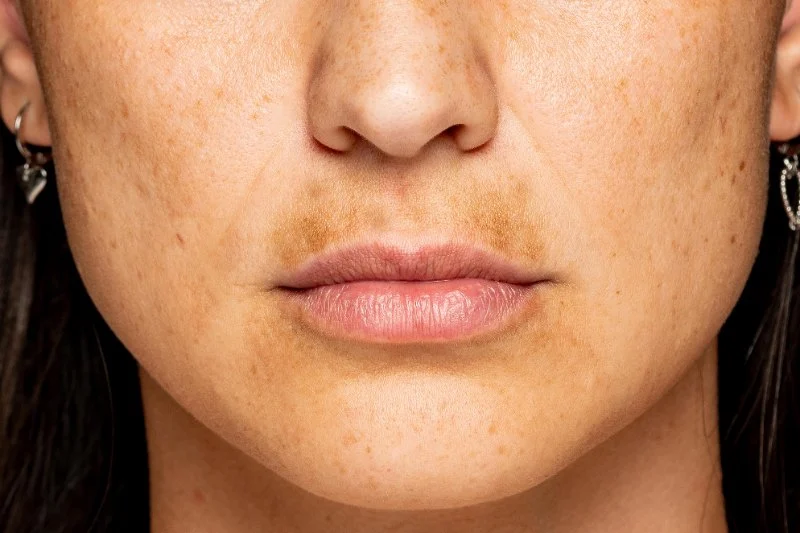
Hyperpigmentation is a common skin condition characterized by darkened areas on the skin, which can occur after pregnancy due to hormonal changes. For new mothers, this condition may be particularly frustrating, as it often affects areas such as the face, neck, and body. The most common types of hyperpigmentation include melasma and post-inflammatory hyperpigmentation, both of which are often triggered by pregnancy-related hormonal shifts.
In this article, we’ll explore the causes, treatments, and prevention strategies for hyperpigmentation, helping new mothers restore their skin and feel confident in their appearance again.
Common Causes of Hyperpigmentation After Pregnancy
Hyperpigmentation after pregnancy can occur due to several factors, including hormonal changes, sun exposure, and skin inflammation. Here’s a closer look at the primary causes:
- Hormonal Changes: During pregnancy, increased levels of estrogen and progesterone can stimulate melanin production, leading to dark patches on the skin, especially on the face. This is commonly known as "mask of pregnancy" or melasma.
- Sun Exposure: Sunlight can exacerbate hyperpigmentation by stimulating melanin production in the skin. For new mothers, spending time outdoors with a newborn can inadvertently increase exposure, leading to dark spots.
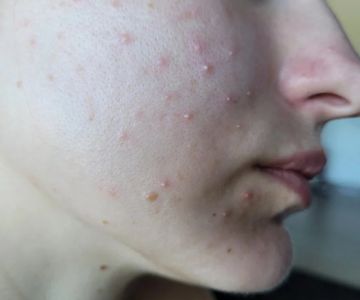
- Skin Inflammation: If the skin experiences irritation or injury, such as from acne or other conditions, it can lead to post-inflammatory hyperpigmentation. This happens when the skin produces excess melanin to heal the affected area.
Effective Treatments for Hyperpigmentation in New Mothers
There are several effective treatments available to repair and lighten hyperpigmentation. New mothers should consider both topical solutions and lifestyle changes to address the condition. Here are the most common treatment options:
- Topical Treatments:
One of the most common treatments for hyperpigmentation involves the use of skincare products that lighten dark spots. Look for ingredients like:
- Hydroquinone: A skin lightener that reduces melanin production and helps fade dark spots.
- Vitamin C: A powerful antioxidant that brightens the skin and helps reduce the appearance of hyperpigmentation.
- Niacinamide: A form of vitamin B3 that lightens dark spots and improves skin tone.
- Retinoids: These promote cell turnover, which can help fade dark spots and improve skin texture.
- Laser Treatments:
In more severe cases, laser treatments such as fractional laser or intense pulsed light (IPL) may be recommended. These treatments target pigmentation and can provide quicker results. However, new mothers should consult a dermatologist to ensure they are safe and suitable during breastfeeding or postpartum.
- Chemical Peels: A chemical peel involves applying a solution that exfoliates the top layer of the skin, revealing brighter skin underneath. This treatment is ideal for removing dead skin cells and addressing uneven pigmentation.
Skincare Tips to Prevent Hyperpigmentation
While treatment is essential, prevention is just as important in managing hyperpigmentation. Here are some skincare tips for new mothers to prevent further darkening of the skin:
- Sun Protection: Always use sunscreen with a broad-spectrum SPF of at least 30, even on cloudy days. Sunscreen is critical in preventing UV rays from worsening hyperpigmentation. Choose a mineral sunscreen with zinc oxide or titanium dioxide, which are safe for sensitive skin.
- Moisturizing: Keep your skin hydrated to help it heal and regenerate. Look for moisturizers with ingredients like hyaluronic acid, which attract moisture to the skin, helping to keep it plump and healthy.
- Avoid Skin Irritation: If you have sensitive skin, avoid using harsh exfoliants or scrubs that can cause irritation and worsen pigmentation. Stick to gentle cleansers and exfoliants with mild acids like lactic or glycolic acid.
- Consistency is Key: Treating hyperpigmentation takes time. Consistently using the right products and maintaining a healthy skincare routine is crucial to seeing results.
When to Seek Professional Help for Hyperpigmentation
If your hyperpigmentation does not improve with over-the-counter treatments, or if it worsens over time, it may be time to seek professional help. A dermatologist can provide personalized recommendations and may suggest stronger prescription treatments or procedures, such as:
- Prescription-Strength Topicals: Your dermatologist may recommend stronger formulations of hydroquinone or retinoids that are more effective in lightening dark spots.
- Professional Peels: Dermatologists can perform more intensive chemical peels that target deeper layers of the skin to treat hyperpigmentation more effectively.
- Laser Therapy: Laser treatments from a dermatologist can target stubborn pigmentation and provide quicker results with minimal downtime.
Remember, it’s important to consult with a dermatologist, especially if you're breastfeeding or dealing with other postpartum concerns, to ensure treatments are safe for both you and your baby.
If you're looking for the best skincare products or professional services tailored to new mothers, visit SkinCare Experts for expert recommendations on effective treatments for hyperpigmentation and overall skin health.




 GLO30 National Landing4.0 (218 reviews)
 Linda Lee Skin Care & Natural Nails5.0 (2 reviews)
 Carson Skin Rejuvenation5.0 (13 reviews)
 Charm's Aesthetics, LLC5.0 (5 reviews)
 Skin By Candace4.0 (13 reviews)
 Epiphany Dermatology4.0 (1746 reviews)
 How To Boost Your Skin's Sensitive Skin In People Living In Humid Climates
 How To Repair Scars In People Over 40
 How To Brighten Sun Damage Effectively
 Top Tips for Fine Lines in Women: How to Manage and Reduce Them
 How To Reduce Dull Skin With A Simple Routine | Skincare Tips for Radiance
 How To Use Inflamed Skin Treatments for People with Combination Skin