
How to Reduce Scars: What You Need to Know
- 1. Understanding Scars and How They Form
- 2. Different Types of Scars
- 3. Methods to Reduce Scars
- 4. Top Products for Scar Reduction
- 5. Real-Life Experiences and Success Stories
- 6. Choosing the Right Scar Treatment
1. Understanding Scars and How They Form
Scars are a natural part of the body’s healing process, formed after an injury, surgery, or skin condition like acne. When the skin is damaged, the body works to repair it by producing collagen, which leads to the formation of a scar. Scars can vary in appearance, size, and texture depending on the severity of the injury and how the skin heals.
While scars are common, many people want to reduce their appearance for cosmetic reasons. Understanding how scars form is the first step in choosing the right treatment options to minimize their visibility and enhance the healing process.
2. Different Types of Scars
Not all scars are the same. There are different types of scars, and each may require a unique approach to treatment. Here are the main types of scars:
- Hypertrophic Scars: These scars are raised and red, forming due to an overproduction of collagen during healing.
- Keloid Scars: Keloids are more pronounced than hypertrophic scars, extending beyond the original wound. They can grow even after the injury has healed.
- Atrophic Scars: These scars are depressed, often caused by conditions like acne or chickenpox, where the skin loses tissue during the healing process.
- Contracture Scars: These scars occur after burns and can lead to tight, restricted skin that affects movement.
3. Methods to Reduce Scars
There are various methods available to help reduce the appearance of scars. The right method depends on the type and severity of the scar. Here are some commonly recommended options:
1. Topical Treatments
One of the most common and accessible ways to reduce scars is through topical treatments, such as creams, gels, and ointments. These products often contain ingredients like silicone, vitamin E, or hydroquinone, which help to fade scars over time.
2. Laser Therapy
Laser treatments can be highly effective for reducing the appearance of scars, particularly atrophic and hypertrophic scars. Lasers work by stimulating collagen production and resurfacing the skin to smooth out the texture and appearance of the scar.
3. Microneedling
Microneedling involves tiny needles that puncture the skin to create micro-injuries. This stimulates the body’s healing response and encourages the production of new, healthier skin. Microneedling is particularly useful for atrophic scars, such as acne scars.
4. Chemical Peels
Chemical peels involve applying a chemical solution to the skin to remove the top layers, revealing new skin beneath. This treatment can improve the texture of the skin and reduce the appearance of scars, especially those caused by acne.
4. Top Products for Scar Reduction
Using the right skincare products is essential for reducing scars. Some of the most effective scar-reducing products available on the market include:
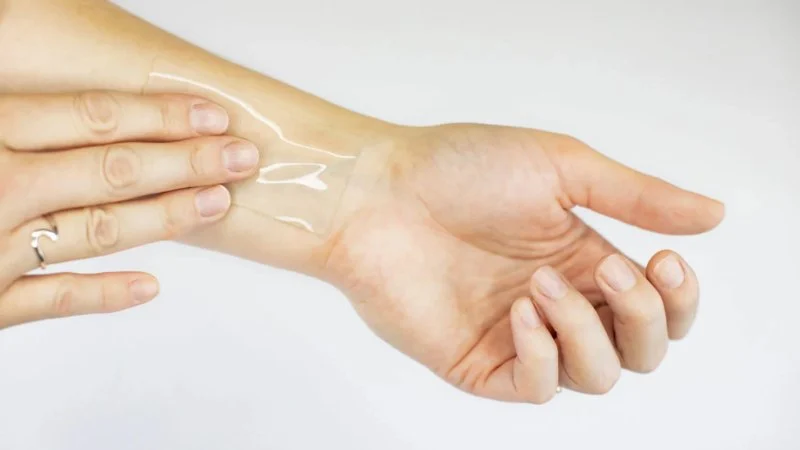
- Silicone Gel Sheets: These are widely recommended for hypertrophic and keloid scars. Silicone helps to soften and flatten the scar tissue over time.
- Scar Creams with Vitamin E: Vitamin E is known for its healing properties and can help lighten dark scars.
- Hydrocolloid Bandages: These are ideal for preventing scars from forming in the first place. They protect the wound and promote faster healing.
For more information on the best products for scar reduction, visit SkinCare Experts to explore our curated selection of effective scar treatments.
5. Real-Life Experiences and Success Stories
Many people have successfully reduced the appearance of their scars through various treatments. Take, for instance, Jane, who struggled with deep acne scars for years. After a combination of microneedling and laser therapy, her skin regained a smoother, more even texture. Jane’s story is one of many that highlights how effective these treatments can be.
Another success story involves Mark, who had a severe burn scar on his arm. After several months of using silicone gel sheets and undergoing laser therapy, Mark noticed a significant reduction in the scar’s size and redness. These treatments helped him regain confidence in his appearance.
6. Choosing the Right Scar Treatment
Choosing the right scar treatment depends on the type, severity, and age of the scar, as well as individual skin characteristics. It’s important to consult with a dermatologist or skincare professional who can assess your situation and recommend the most appropriate treatment. Some treatments may require multiple sessions to see noticeable results, so patience is key.
At SkinCare Experts, we offer expert advice and a wide range of scar treatment products tailored to meet your specific needs. Whether you're looking for over-the-counter solutions or professional treatments, we can help you find the right option for scar reduction.

 GLO30 National Landing4.0 (218 reviews)
 Linda Lee Skin Care & Natural Nails5.0 (2 reviews)
 Carson Skin Rejuvenation5.0 (13 reviews)
 Charm's Aesthetics, LLC5.0 (5 reviews)
 Skin By Candace4.0 (13 reviews)
 Epiphany Dermatology4.0 (1746 reviews)
 How To Boost Your Skin's Sensitive Skin In People Living In Humid Climates
 How To Repair Scars In People Over 40
 How To Brighten Sun Damage Effectively
 Top Tips for Fine Lines in Women: How to Manage and Reduce Them
 How To Reduce Dull Skin With A Simple Routine | Skincare Tips for Radiance
 How To Use Inflamed Skin Treatments for People with Combination Skin