

Understanding Environmental Damage to Your Skin
Our skin is exposed to a variety of environmental factors every day, from pollution to sun exposure. These factors can cause visible damage over time, leading to premature aging, dullness, and other skin issues. Understanding how pollution and other environmental stressors affect the skin is the first step in learning how to protect it effectively.
Environmental damage typically falls into two categories: physical damage, such as from UV rays and pollution particles, and oxidative stress caused by free radicals. Both types of damage contribute to skin aging, dryness, inflammation, and even skin conditions like acne and eczema.
The Impact of Pollution on Your Skin
Air pollution is one of the primary contributors to environmental skin damage. Pollutants like car exhaust, industrial fumes, and cigarette smoke contain fine particles that can penetrate the skin, leading to oxidative stress. These particles can damage the skin's protective barrier, making it more susceptible to dehydration, acne, and premature aging.
Recent studies have shown that exposure to pollution can accelerate the formation of wrinkles, fine lines, and hyperpigmentation. Additionally, long-term exposure can lead to chronic inflammation, making your skin more sensitive and reactive. In cities with high pollution levels, the risks to skin health are particularly pronounced.
How to Protect Your Skin from Pollution and Other Environmental Damage
While it’s impossible to completely avoid environmental factors, there are several effective ways to protect your skin and minimize damage. By incorporating the following steps into your daily routine, you can give your skin the defense it needs against pollution and other environmental stressors.
1. Cleanse Your Skin Regularly
One of the most important steps in protecting your skin is ensuring it’s clean and free from pollutants. Use a gentle cleanser that removes dirt, pollutants, and makeup without stripping your skin of essential oils. Look for products that contain antioxidants, such as vitamin C, which can neutralize free radicals and help repair skin damage.
2. Use a Broad-Spectrum Sunscreen
UV radiation from the sun is another major environmental factor that harms the skin. Protecting your skin from harmful UV rays is crucial for preventing premature aging and skin cancer. Use a broad-spectrum sunscreen with SPF 30 or higher daily, even on cloudy days. Choose a sunscreen with added antioxidants to further protect against pollution-induced damage.
3. Incorporate Antioxidants in Your Skin Care
Antioxidants are your skin’s best defense against oxidative stress caused by pollution. Look for products with ingredients like vitamin C, vitamin E, and green tea extract, which can help neutralize free radicals and repair skin damage. Applying antioxidant-rich serums and moisturizers can help protect the skin from long-term damage.
4. Hydrate Your Skin
Dehydrated skin is more prone to damage from pollutants. Use a good moisturizer to maintain your skin’s hydration levels. Opt for a moisturizer with ingredients like hyaluronic acid, glycerin, and ceramides, which help lock in moisture and restore the skin’s natural barrier function.
5. Exfoliate Regularly
Exfoliating your skin removes dead skin cells and helps unclog pores that may be clogged with pollution particles. Gentle exfoliation can also promote skin regeneration and improve skin texture. Use an exfoliant with AHAs or BHAs to encourage cell turnover and reveal brighter, healthier skin.
Best Skin Care Products for Protection Against Environmental Damage
To protect your skin from pollution and other environmental damage, choosing the right products is key. Here are some recommendations for skin care products that offer robust protection:
1. Antioxidant Serums
Antioxidant serums are a powerful tool in your skin care routine. These products are packed with ingredients like vitamin C and E, which help neutralize free radicals and repair skin damage. Look for serums that offer broad-spectrum protection against both UV rays and pollution.
2. SPF Moisturizers
Combining hydration with sun protection is a great way to streamline your routine. Choose a moisturizer that includes broad-spectrum SPF and offers protection against environmental damage, including pollutants. Some options also include antioxidants for added protection.
3. Pollution Defense Masks
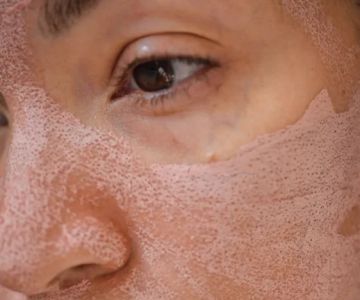
Pollution defense masks are designed to be applied once or twice a week to help remove deep-seated pollutants from your skin. These masks often contain ingredients that detoxify and strengthen the skin barrier while replenishing moisture.
Lifestyle Changes to Improve Skin Health
In addition to your skin care routine, adopting certain lifestyle changes can further help improve your skin health:
1. Avoid Smoking
Smoking exposes your skin to toxic chemicals that can accelerate aging and weaken the skin’s protective barrier. Quitting smoking can significantly improve the health and appearance of your skin over time.
2. Eat a Balanced Diet
Consuming a diet rich in antioxidants, healthy fats, and vitamins can support your skin from the inside out. Foods like berries, leafy greens, and nuts are packed with nutrients that help combat oxidative stress and keep your skin looking youthful.
3. Stay Hydrated
Drinking plenty of water helps maintain your skin’s hydration levels, keeping it plump and healthy. Aim to drink at least eight glasses of water a day to support your skin’s natural functions.
Recommendations from SkinCare Experts
To further protect your skin from pollution and environmental damage, consider visiting SkinCare Experts for the best skin care products tailored to your specific needs. Our experts offer personalized recommendations, helping you choose the right products for maximum protection and results.

 Cosmic Complexions5.0 (7 reviews)
 Esthetic Society4.0 (15 reviews)
 Tideway Dermatology - Bel Air4.0 (363 reviews)
 Storey Skin Studio5.0 (4 reviews)
 BareMer Spa4.0 (71 reviews)
 Sugar Bee4.0 (140 reviews)
 Understanding Moisturizer to Improve Age Spots for Healthier Skin
 How to Heal Eczema: What You Need to Know
 Best Ingredients for Rosacea and How to Manage It Effectively
 Expert Advice On Eczema For People With Combination Skin
 Ultimate Guide to Face Masks to Improve Acne
 Skin Care Tips for Your Age Spots With These 7 Tips – Expert Solutions