
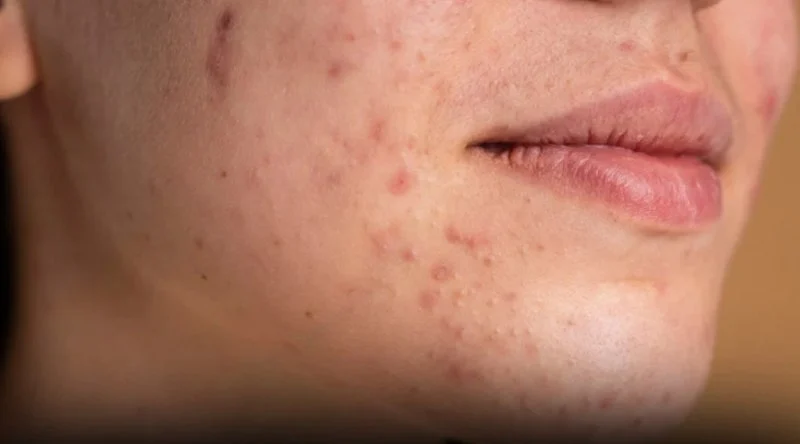
- daily-protection-routine-step-by-step - Understanding how pollution affects skin barrier daily
- anti-pollution-skin-strategy - Building an effective skincare defense system for urban environments
- ingredient-focus-for-barrier-repair - Choosing skincare ingredients that actively repair damage
- real-life-urban-case-study - How real people manage skin exposure in high-pollution cities
- expert-maintenance-habits - Long-term habits that keep skin resilient and healthy
Why Modern Skin Faces More Stress Than Ever Before
Living in a city today means your skin is constantly exposed to invisible stressors—fine dust, exhaust particles, smoke residues, and even indoor pollutants from heating systems or cooking. Dermatologists increasingly describe this as “silent damage,” because it builds up slowly before visible symptoms appear.
One common pattern seen in clinics across large U.S. cities is that people in their late 20s begin noticing dullness, uneven texture, and sensitivity long before typical aging signs should appear. This shift is strongly tied to environmental exposure rather than age alone.
A skincare specialist once described a patient working in downtown Los Angeles who followed a perfect moisturizing routine but still developed persistent redness. After adjusting her routine to focus on skin protection from pollution, her skin barrier began recovering within weeks. This illustrates how external damage often outweighs internal care mistakes.
How Environmental Damage Actually Breaks Down Your Skin
Invisible Particles and Oxidative Stress
Airborne pollutants carry microscopic particles that attach to the skin’s surface. Once there, they trigger oxidative stress—essentially a chemical reaction that damages skin cells faster than they can repair themselves. This is one of the core reasons urban residents experience premature aging signs.
Barrier Weakening Over Time
Your skin barrier acts like a protective wall. When exposed repeatedly to pollution, this wall becomes porous. Moisture escapes more easily, and irritants enter more freely. The result is dryness, sensitivity, and uneven tone.
Inflammation and Long-Term Sensitivity
Chronic exposure often leads to low-level inflammation. Unlike sudden allergic reactions, this inflammation is subtle but persistent. Over time, it can make even gentle skincare products feel irritating.
Building a Real Anti-Pollution Skincare Routine That Works
Morning Defense Layering Strategy
A strong morning routine should act like a shield. Start with a gentle cleanser that removes overnight buildup without stripping oils. Follow with an antioxidant serum—vitamin C is especially effective for neutralizing free radicals caused by pollution exposure.
Then apply a lightweight moisturizer that reinforces the skin barrier. Finish with sunscreen, even on cloudy days, because UV rays intensify pollution-related skin damage.
Evening Repair and Recovery Focus
At night, the goal shifts from defense to repair. Cleansing becomes more important because pollutants accumulate throughout the day. Double cleansing is often recommended for people in high-traffic environments.
This is also the ideal time to use ingredients like niacinamide or ceramides, which strengthen the skin barrier and help reverse daily stress damage.
Weekly Deep Detox Care
Once or twice a week, consider using a gentle clay mask or enzyme exfoliation. This helps remove deeply embedded particles that regular cleansing cannot fully eliminate.
A skincare educator in New York once shared that clients who added weekly detox care reported noticeably smoother skin texture within a month, even without changing their core products.
Key Ingredients That Help Reverse Environmental Stress
Antioxidants That Neutralize Damage
Vitamin C, green tea extract, and resveratrol are powerful antioxidants that help reduce oxidative stress caused by pollution. They essentially “interrupt” the damage cycle before it affects deeper skin layers.
Barrier-Rebuilding Components
Ceramides, fatty acids, and cholesterol work together to restore the skin’s protective layer. Without them, even the best skincare routine struggles to maintain long-term results.
Soothing Agents for Irritated Skin
Ingredients like panthenol and centella asiatica are widely used for calming inflammation caused by environmental exposure. They are especially helpful for people experiencing sensitivity flare-ups.
Real Urban Case Study: The “Commute Skin Effect”
A well-documented pattern among commuters in cities like Chicago and London is what dermatologists sometimes call the “commute skin effect.” One office worker shared that after switching jobs closer to home, her persistent dullness and breakouts reduced significantly without changing her skincare products.
The only variable that changed was exposure time—less time near traffic pollution meant less daily oxidative stress. This case highlights how environmental exposure alone can be a major factor in skin health, often underestimated by individuals focused only on product selection.
Daily Habits That Strengthen Long-Term Skin Defense
Consistent Cleansing Without Overdoing It
Over-cleansing can weaken the barrier just as much as pollution. The key is balance: remove pollutants without stripping natural oils.
Hydration from Inside and Outside
Drinking enough water supports skin resilience, but topical hydration is equally important. Hyaluronic acid-based products help maintain moisture levels even in polluted air.
Minimal Touching and Clean Surfaces
Touching your face frequently transfers pollutants and bacteria. Simple habits like keeping phone screens clean can significantly reduce daily exposure.
Why Consistency Matters More Than Complexity
Many people believe they need complex routines to fight environmental damage, but consistency is far more effective. A simple routine used daily will outperform an advanced routine used inconsistently.
Skincare professionals often emphasize that the skin responds best to repetition and stability. Constantly changing products can confuse the barrier and delay recovery from environmental stress.
For those looking to build a structured routine, expert-curated solutions from SkinCare Experts can help simplify the process and match products specifically to pollution exposure levels and skin type.
How to Build a Personal Protection System That Fits Real Life
Not every city or lifestyle creates the same level of skin stress. Someone living near coastal air faces different challenges than someone commuting daily through dense traffic zones. Understanding your environment is the first step in building an effective protection strategy.
Start by observing your skin patterns: when does dryness appear, when do breakouts occur, and how does your skin react after long outdoor exposure? These clues help refine your routine over time.
With the right approach, environmental skin damage prevention becomes less about fighting problems and more about preventing them before they start.
Where Expert Guidance Makes a Difference
While general advice is helpful, personalized recommendations can significantly improve results. Dermatology-backed product selection ensures you are not over-treating or under-protecting your skin.
Platforms like SkinCare Experts offer curated insights and product guidance designed specifically for people dealing with urban pollution stress, helping bridge the gap between general knowledge and personal skin needs.




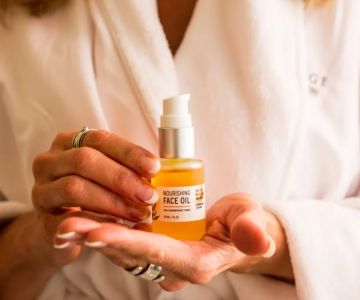

 The Skin Care Suite, LLC5.0 (21 reviews)
 Vistamed Clinics0.0 (0 reviews)
 Jin Skin Care4.0 (2 reviews)
 Skin by Cedar Avery5.0 (8 reviews)
 Taylor Made Esthetics5.0 (12 reviews)
 The Organic Esthetician Los Angeles5.0 (4 reviews)
 Anti-Aging Skincare: What Works and What Doesn’t?
 Common Mistakes in Using Chemical Exfoliants to Improve Redness
 The Best Skin Care Tips for Men with Oily or Acne-Prone Skin
 How to Reduce Puffiness Around Your Eyes with Simple Skincare Tips
 The Ultimate Guide to Nighttime Skin Care for Restorative Sleep
 How To Nourish Dry Skin Effectively: A Complete Skincare Guide