
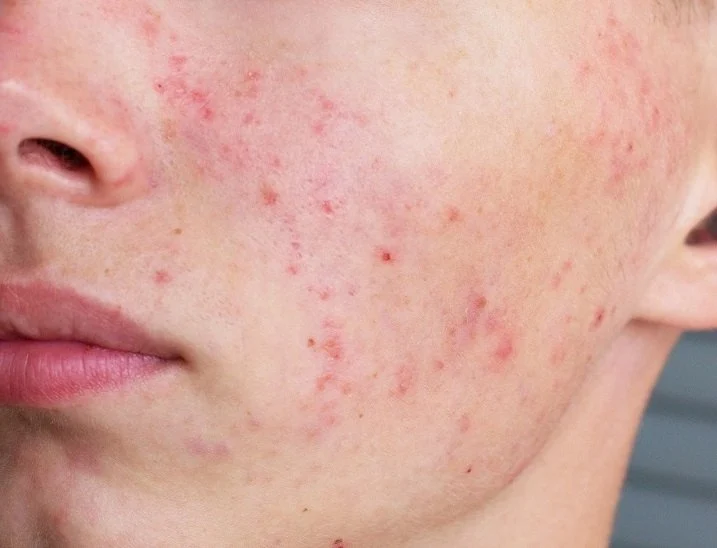
- 1 - Understanding Redness in Skin
- 2 - Common Causes of Redness
- 3 - How to Prevent Redness Effectively
- 4 - Skin Care Tips to Prevent Redness
1. Understanding Redness in Skin
Redness in the skin, also known as erythema, can appear as a result of a variety of factors. It is commonly associated with inflammation, irritation, or increased blood flow to the surface of the skin. While occasional redness is typically harmless, persistent or severe redness can be a sign of an underlying skin condition. Understanding the root causes of skin redness is the first step in effectively preventing it.
2. Common Causes of Redness
There are several factors that can lead to skin redness. Here are some of the most common causes:
- Sunburn: Prolonged exposure to the sun’s UV rays can cause the skin to become inflamed and red. This is one of the most common causes of temporary redness.
- Allergic Reactions: Skin allergies, such as reactions to skincare products, food, or environmental factors, can cause redness, itching, and swelling.
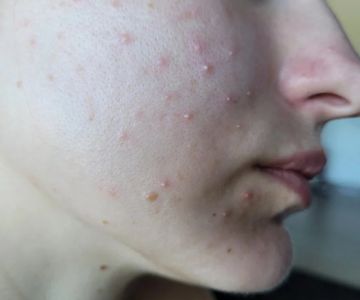
- Skin Conditions: Conditions like rosacea, eczema, and acne often lead to redness, especially around the face and other sensitive areas.
- Temperature Changes: Extreme hot or cold temperatures can cause the skin to react, resulting in redness or irritation.
- Stress: Emotional stress can lead to physical responses, including redness, particularly on the face.
3. How to Prevent Redness Effectively
Preventing redness is easier when you understand the causes and take proactive steps to protect your skin. Here are some effective ways to prevent redness:
- Use Sunscreen: Protecting your skin from UV rays is essential to prevent sunburn and other forms of sun-induced redness. Choose a broad-spectrum sunscreen with SPF 30 or higher and apply it generously before going outdoors.
- Identify and Avoid Allergens: If you know that certain products or foods trigger redness, avoid them whenever possible. Switching to gentle, fragrance-free skincare products can also help reduce irritation.
- Moisturize Regularly: Keeping your skin hydrated is crucial for maintaining its natural barrier and preventing irritation. Look for moisturizers that are specifically formulated for sensitive skin.
- Cool Down: If you experience redness due to hot temperatures, try using cool compresses or applying skincare products designed to calm the skin.
- Manage Stress: Regular stress management techniques, such as exercise, deep breathing, or mindfulness, can help minimize stress-induced redness.
4. Skin Care Tips to Prevent Redness
In addition to general prevention strategies, following a daily skincare routine designed to protect and soothe the skin can significantly reduce the risk of redness:
- Gentle Cleansing: Avoid harsh cleansers that can strip the skin of its natural oils. Opt for mild, hydrating cleansers that won’t irritate the skin.
- Soothing Ingredients: Look for skincare products with calming ingredients like aloe vera, chamomile, or calendula. These ingredients help reduce redness and promote healing.
- Exfoliate Carefully: While exfoliation is essential for removing dead skin cells, avoid abrasive scrubs that can exacerbate redness. Instead, use chemical exfoliants like AHAs or BHAs, which are gentler on the skin.
- Patch Test New Products: Always patch test a new product on a small area of your skin before applying it to your entire face or body. This helps ensure that you won’t have an allergic reaction that could cause redness.



 GLO30 National Landing4.0 (218 reviews)
 Linda Lee Skin Care & Natural Nails5.0 (2 reviews)
 Carson Skin Rejuvenation5.0 (13 reviews)
 Charm's Aesthetics, LLC5.0 (5 reviews)
 Skin By Candace4.0 (13 reviews)
 Epiphany Dermatology4.0 (1746 reviews)
 How To Boost Your Skin's Sensitive Skin In People Living In Humid Climates
 How To Repair Scars In People Over 40
 How To Brighten Sun Damage Effectively
 Top Tips for Fine Lines in Women: How to Manage and Reduce Them
 How To Reduce Dull Skin With A Simple Routine | Skincare Tips for Radiance
 How To Use Inflamed Skin Treatments for People with Combination Skin